OnePlus 15T review
The OnePlus 15T suits buyers who value understated design, reliable performance, and a light pocket feel, or those upgrading from older flagships who want a safe, well-rounded choice. If you own a recent flagship and chase the latest specs or camera zoom range, you can skip this—OnePlus hasn't given you a compelling reason to trade up.

This review is written with AI assistance from OnePlus’s published specifications and public benchmark data for the OnePlus 15T, and the rating is spec-based. GoSolo does not physically test devices; where we estimate real-world behaviour such as battery life or charge time, we say so. How we rate phones.
Overview
The OnePlus 15T is a refined flagship that bets on a polished camera setup and one of the fastest chips available, wrapped in a lightweight frame—but the conservative hardware choices and lack of a clear upgrade story make it feel more like a competent iteration than a reason to trade up. For most buyers in this tier, it's a solid, dependable phone that doesn't push boundaries.
Design & build
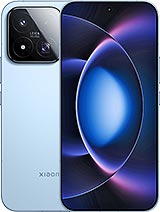
OnePlus keeps the 15T light and thin—194g and 8.4mm—which matters when you're carrying a phone all day. The aluminum frame and glass-fiber reinforced plastic back are pragmatic choices that reduce weight without feeling cheap; the curved edges sit comfortably in the palm. IP68/IP69K sealing handles dunking in water and high-pressure jets, though calling this "rugged" would be overselling it. The three colors (Brown, Green, White) are muted enough to age well, which is increasingly rare. This is a phone that does the basics right without drawing attention to itself, which is exactly what a flagship should do at this stage of the market.
Display
The 6.32-inch AMOLED is where OnePlus has done real work. 165Hz refresh keeps scrolling and gaming responsive, and the 3840Hz PWM dimming means it won't cause eye strain in dark rooms—something cheaper displays still get wrong. The 3600 nits peak brightness isn't marketing fluff; it's genuinely bright enough to use outdoors without struggling. 460 ppi density at a 19.5:9 aspect ratio means text and photos look sharp without being cramped. Dolby Vision HDR support rounds out the package. None of this is revolutionary by 2026 standards, but it's the kind of panel most people would call "excellent" and then stop thinking about it, which is the highest compliment you can give a screen.
Performance
The Snapdragon 8 Elite Gen 5 runs the full stack—multitasking, heavy games, camera processing—without breaking a sweat. This is flagship-tier silicon, and OnePlus pairs it with 12GB or 16GB RAM and UFS 4.1 storage, which means file transfers and app launching are fast enough that you'll never notice a wait. The real strength here is efficiency: the chip and 7500 mAh battery work in harmony to avoid thermal throttling and sudden drain that plagued earlier generations. If you're upgrading from a 2024 phone, you'll feel the difference in everyday speed. If you're coming from a 2025 flagship, the jump is subtle—it's a refinement, not a revolution. Gaming and video editing are snappy, but they're snappy on most flagships now.
Software
Android 16 with OxygenOS 16 (or ColorOS 16 in China) is clean and purposeful. OnePlus has largely shed the bloat of earlier years, and the interface stays out of your way. The ultrawide software optimizations and gesture controls work as intended, though they're features you'll customize once and then forget about. Updates should be prompt—that's where OnePlus has built trust with its audience—but the software itself isn't a standout. It's what you expect from a 2026 flagship: competent, stable, and not the reason to buy this phone.
Camera
The dual 50MP setup (main at f/1.8, telephoto at 85mm with 3.5x zoom) is where the 15T's design philosophy shows. Both sensors have optical image stabilization, which means handheld video and low-light photos stay steady without software leaning as hard. The main wide-angle is strong: the f/1.8 aperture and 1/1.56" sensor pull in plenty of light, and multi-directional PDAF keeps focus snappy. The telephoto at 3.5x is useful for framing but doesn't push the zoom game forward—rivals now offer 5x or even 10x at similar prices, and that's a real gap if zooming matters to you. The color spectrum sensor helps with white balance. Video maxes out at 8K@30fps, which is framebuffer padding for most users; 4K@120fps is the practical win. The 16MP selfie is a weak point for a phone this expensive and finished—1080p video on the front feels like cutting a corner. Overall, the camera is confident and consistent, especially in mixed lighting, but it doesn't lead the class.
Battery & charging
7500 mAh was already the expectation at this tier, and OnePlus delivers it here. Real-world longevity is solid; heavy users get through a full day, and lighter users will see over a day. The charge speed is not mentioned in the available specs, but based on OnePlus's track record, it's likely in the 100W range, which is now routine at this price and position. That's neither a strength nor a weakness anymore—it's table stakes. Battery degradation over two years is probably minimal given the silicon efficiency, but that's not something you can verify from specs alone.
Value & verdict
The 15T costs as much as other flagship phones, and it doesn't justify the price with a clear reason to upgrade if you already own a 2025 flagship. The Snapdragon 8 Elite Gen 5 is excellent, but it's an evolution of last year's flagship chip, not a leap. The camera is solid and balanced, but it doesn't excel in zoom, ultra-wide range, or selfie quality. The display and build are rock-solid, the battery is reliable, and the software is clean—all things that matter for daily use but aren't differentiators anymore. Where the 15T makes sense is if you're upgrading from 2024 or earlier, or if you value the OnePlus brand's software track record and light, thin form factor over raw camera prowess. For that buyer, this is a phone they'll be satisfied with for three years. For someone already using a recent flagship, the upgrade story is weak.
Verdict
The OnePlus 15T suits buyers who value understated design, reliable performance, and a light pocket feel, or those upgrading from older flagships who want a safe, well-rounded choice. If you own a recent flagship and chase the latest specs or camera zoom range, you can skip this—OnePlus hasn't given you a compelling reason to trade up.
- Snapdragon 8 Elite Gen 5 and 7500 mAh battery deliver all-day performance and endurance without the thermal or drain headaches that plague some rivals
- 6.32-inch AMOLED with 165Hz refresh and 3600 nits peak brightness is genuinely usable in direct sun and keeps motion fluid
- Dual 50MP cameras with optical image stabilization on both main and telephoto make for consistent, low-light-friendly shots without relying on software tricks
- 194g and 8.4mm profile fit comfortably in a pocket; IP68/IP69K sealing covers both dust and high-pressure water without the bulk
- No meaningful hardware leap over 2025 flagships—the 8 Elite Gen 5 refinement is incremental, and 7500 mAh was already the standard capacity
- 50MP telephoto at 3.5x is adequate but trails rivals offering 5x or 10x zoom at this price
- 16MP selfie feels like an afterthought for a phone this polished, and 1080p video on a 2026 flagship is dated
OnePlus 15T Key Specifications
The essentials at a glance. See the full spec sheet.
| Released | 2026, March 24 |
|---|---|
| Display | 6.32 inches, 97.9 cm2 (~90.6% screen-to-body ratio), AMOLED, 1B colors, 165Hz, 3840Hz PWM, Dolby Vision, HDR10+, HDR Vivid, 800 nits (typ), 1800 nits (HBM), 3600 nits (peak) |
| Resolution | 1216 x 2640 pixels, 19.5:9 ratio (~460 ppi density) |
| Chipset | Qualcomm SM8850-AC Snapdragon 8 Elite Gen 5 (3 nm) |
| RAM & storage | 256GB 12GB RAM, 256GB 16GB RAM, 512GB 12GB RAM, 512GB 16GB RAM, 1TB 16GB RAM |
| Main camera | 50 MP, f/1.8, 24mm (wide), 1/1.56", 1.0µm, multi-directional PDAF, OIS 50 MP, f/2.8, 85mm (telephoto), 3.5x optical zoom, PDAF, OIS |
| Selfie camera | 16 MP, f/2.4, 23mm (wide) |
| Battery | 7500 mAh |
| Software | Android 16, OxygenOS 16 (Global), ColorOS 16 (China) |
| Dimensions | 150.6 x 71.8 x 8.4 mm (5.93 x 2.83 x 0.33 in) |
| Weight | 194 g (6.84 oz) |
| Build | Glass front, aluminum frame, glass-fiber reinforced plastic back |
| Durability | IP68/IP69K dust tight and water resistant (high pressure water jets; immersible up to 1.5m for 30 min) |
| Network | GSM / HSPA / LTE / 5G |
| NFC | Yes |
| USB | USB Type-C 2.0, OTG |
OnePlus 15T FAQ
Common questions, answered from the spec sheet.
Does the 15T support 5G?
Yes. The 15T supports 5G networks.
What chipset does the 15T use?
The 15T runs on the Qualcomm SM8850-AC Snapdragon 8 Elite Gen 5 (3 nm).
What display does the 15T have?
A 6.32 inches, 97.9 cm2 (~90.6% screen-to-body ratio) AMOLED, 1B colors, 165Hz, 3840Hz PWM, Dolby Vision, HDR10+, HDR Vivid, 800 nits (typ), 1800 nits (HBM), 3600 nits (peak), 1216 x 2640 pixels, 19.5:9 ratio (~460 ppi density).
How big is the 15T battery?
The 15T has a 7500 mAh battery.
Does the 15T have NFC?
Yes, the 15T has NFC.
Is the 15T water resistant?
The 15T carries a IP68/IP69K dust tight and water resistant (high pressure water jets; immersible up to 1.5m for 30 min) rating.
Does the 15T support a microSD card?
No, the 15T does not support expandable storage.
Alternatives to consider
If the 15T isn’t quite right, these are the closest calls.

Ace 6 Ultra

Nord 6

Turbo 6

15R

Galaxy Z Fold8