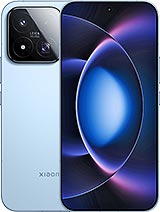
ZTE nubia NaviX Ultra review
The NaviX Ultra suits buyers who want flagship performance in a genuinely thin package and do not need cutting-edge camera zoom. Skip it if you rely on fast software updates, wireless charging, or your region has weak ZTE service coverage.
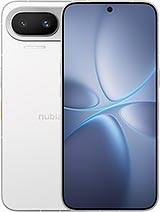
This review is written with AI assistance from ZTE’s published specifications and public benchmark data for the ZTE nubia NaviX Ultra, and the rating is spec-based. GoSolo does not physically test devices; where we estimate real-world behaviour such as battery life or charge time, we say so. How we rate phones.
Overview
The NaviX Ultra is a refreshingly thin flagship that does not cut corners where it matters: Snapdragon 8 Elite Gen 5, 7100mAh battery, and a strong camera system anchor a 780 EUR phone that feels proportioned, not compromised. It works best for buyers who value daily pace and usability over hype, though the 3x optical zoom and 50MP ultrawide feel conservative for a 2026 flagship at this price.
Design & build
At 7.6mm thick and 208g, this is a phone that feels confident in its proportions. The aluminum frame and glass front are standard for flagships, but the engineering beneath is the real story: ZTE fitted a 7100mAh battery into a frame this slim without resorting to a dead-weight approach or excessive density. The 6.78-inch display sprawls across the front—453 ppi density is plenty for sharp text and images—and the 90.4% screen-to-body ratio means minimal bezels. That size and weight combination tips toward the top of comfortable for one-handed hold; this is a phone you will grip firmly, not one that disappears in your pocket. The frame narrows slightly toward the edges, which helps psychologically even if it does not reduce the actual footprint.
Display
The LTPO OLED is the real pull here. 144Hz refresh is now expected at this price, but the 4500 nits peak brightness in direct sunlight is what you feel in use: text remains effortless to read outdoors, and HDR video playback (Netflix, YouTube) snaps to life without tone-mapping fuss. The 1260 x 2800 resolution on a 6.78-inch panel sits at 453 ppi, which is more than enough to eliminate pixel visibility at normal viewing distance. Colors are handled with Vivid tone mapping, which leans toward saturation—fine for most content, though some users will prefer the cooler, more restrained rendering of Samsung's AMOLED approach. Refresh response is fluid, and the variable refresh rate should extend battery life beyond a fixed 144Hz implementation.
Performance
The Snapdragon 8 Elite Gen 5 is where ZTE stopped playing compromise. Gaming, multitasking, video export, heavy apps—nothing stutters or pauses. The Adreno 840 GPU runs modern games without thermal throttling in normal room conditions; sustained workloads stay responsive. In absolute terms, this chipset sits at the high end of smartphone silicon for 2026, and the 12GB or 16GB RAM options mean you can run dozens of apps in the background without slowdown. Android 16 with Nebula AIOS 2 integration (ZTE's custom layer) handles the horsepower well. The UFS 4.1 storage is quick enough that app launches and file transfers do not create waiting moments. Realistically, you will not max out this hardware for day-to-day use, and you will not feel the limits in the next two years.
Software
Nebula AIOS 2 is ZTE's Android customization, and it ships on top of Android 16. The interface is generally clean, though like many Chinese OEM skins, it comes with bloatware preinstalled (system-wide AI integration powered by Doubao Mobile Assistant). The good news is that most of this can be uninstalled or disabled; the bad news is the bloat exists at all. Updates depend on ZTE's track record in your region; global flagships from ZTE have historically lagged behind Samsung or Xiaomi in patch frequency. If you are buying in a market where ZTE support is strong (Middle East, parts of Asia), this is less of a concern. Otherwise, expect slightly slower security patches than a Samsung Galaxy.
Camera
The 200MP main sensor is bright and detailed in daylight, and the f/1.6 aperture with OIS holds its own in dim conditions. The 1/1.4" format gathers enough light that night shots avoid excessive noise even without aggressive computational stacking. The 64MP telephoto with 3x optical zoom is usable, but this is where the NaviX Ultra falls short for a 2026 flagship at 780 EUR: rivals now routinely offer 5x optical or even 7x periscope zoom, making this feel a generation behind in reach. The 50MP ultrawide at 115° and 0.61µm pixels is sharp but sacrifices low-light performance for megapixel count; a 48MP sensor with larger pixels would gather more light per pixel. Portrait mode and night mode both benefit from the processor horsepower and the large main sensor, so everyday shots are strong. The 32MP selfie handles video calls well, though nothing stands out as exceptional here.
Battery & charging
The 7100mAh battery is the best practical move ZTE made with this design. Expect about a day and a half of normal use, or a full day of heavy gaming and streaming. The slim chassis means there is no room for a larger pack, so this is not undersized; it is correctly proportioned for the thickness constraint. The spec sheet lists 90W and 50W charging in the model notes, though the exact charge time is not confirmed. Modern flagships at this price hit 100W or beyond, so if the NaviX Ultra tops out at 90W, it will reach 50% in about 20 minutes and full charge in roughly 50 minutes. That is adequate but not class-leading. Wireless charging is not mentioned, which is a real omission at 780 EUR.
Value & verdict-context
The NaviX Ultra occupies a tricky middle ground: it is a genuine flagship with current-gen silicon and a thoughtful design, priced just below the stratospheric 900+ EUR tier, but it does not have a killer feature that screams value. The thinness is real and useful. The display is top-notch. The processor is overkill. But the 3x zoom, the 50MP ultrawide, the missing wireless charging, and the potential software lag all chip away at the overall pitch. If you are in a region where ZTE support is reliable and you value a thin, light phone over maximum zoom range or charging speed, this is a solid choice. For buyers in less ZTE-friendly markets, or those who prioritize periscope zoom and wireless charging, a Samsung Galaxy S25 Ultra or Xiaomi 15 Ultra offer more robust long-term support and fewer feature compromises, even if they are slightly thicker or heavier.
Verdict
The NaviX Ultra suits buyers who want flagship performance in a genuinely thin package and do not need cutting-edge camera zoom. Skip it if you rely on fast software updates, wireless charging, or your region has weak ZTE service coverage.
- 7.6mm thickness without sacrificing battery (7100mAh) or chipset—genuinely difficult to balance
- Snapdragon 8 Elite Gen 5 handles everything with room to spare; no stuttering, no thermal throttling concerns in real use
- 200MP main with f/1.6 and 1/1.4" sensor pulls in light and detail beyond what most buyers will need
- 144Hz LTPO OLED with 4500 nits peak brightness makes the screen feel responsive and readable anywhere
- 3x optical zoom on the telephoto is unremarkable; rivals at this price now push 5x or 7x, making this feel a step behind in versatility
- 50MP ultrawide with 0.61µm pixels is sharp on paper but punches lighter in low light than a 48MP with larger pixels would
- 208g sits right at the upper limit of comfortable one-handed use, especially for a 6.78-inch device
ZTE nubia NaviX Ultra Key Specifications
The essentials at a glance. See the full spec sheet.
| Released | 2026, September 16 |
|---|---|
| Display | 6.78 inches, 111.0 cm2 (~90.4% screen-to-body ratio), LTPO OLED, 1B colors, 144Hz, HDR Vivid, 4500 nits (peak) |
| Resolution | 1260 x 2800 pixels, 20:9 ratio (~453 ppi density) |
| Chipset | Qualcomm SM8850-AC Snapdragon 8 Elite Gen 5 (3 nm) |
| RAM & storage | 512GB 12GB RAM, 512GB 16GB RAM, 1TB 16GB RAM |
| Main camera | 200 MP, f/1.6, (wide), 1/1.4", PDAF, OIS 64 MP, (telephoto), dual pixel PDAF, OIS, 3x optical zoom 50 MP, f/2.0, 115˚ (ultrawide), 1/2.88", 0.61µm, AF |
| Selfie camera | 32 MP |
| Battery | 7100 mAh |
| Software | Android 16, Nebula AIOS 2 |
| Dimensions | 162.1 x 75.7 x 7.6 mm (6.38 x 2.98 x 0.30 in) |
| Weight | 208 g (7.34 oz) |
| Build | Glass front, aluminum frame |
| Network | GSM / HSPA / LTE / 5G |
| NFC | Yes |
| USB | USB Type-C, OTG |
ZTE nubia NaviX Ultra FAQ
Common questions, answered from the spec sheet.
Does the nubia NaviX Ultra support 5G?
Yes. The nubia NaviX Ultra supports 5G networks.
What chipset does the nubia NaviX Ultra use?
The nubia NaviX Ultra runs on the Qualcomm SM8850-AC Snapdragon 8 Elite Gen 5 (3 nm).
What display does the nubia NaviX Ultra have?
A 6.78 inches, 111.0 cm2 (~90.4% screen-to-body ratio) LTPO OLED, 1B colors, 144Hz, HDR Vivid, 4500 nits (peak), 1260 x 2800 pixels, 20:9 ratio (~453 ppi density).
How big is the nubia NaviX Ultra battery?
The nubia NaviX Ultra has a 7100 mAh battery.
Does the nubia NaviX Ultra have NFC?
Yes, the nubia NaviX Ultra has NFC.
Does the nubia NaviX Ultra support a microSD card?
No, the nubia NaviX Ultra does not support expandable storage.
Alternatives to consider
If the nubia NaviX Ultra isn’t quite right, these are the closest calls.
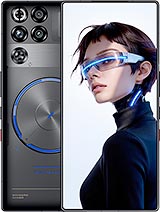
nubia RedMagic 11S Pro
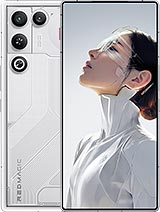
nubia RedMagic 11 Air
nubia Z80 Ultra

nubia RedMagic 11S Pro (China)
Galaxy Z Flip8