ZTE Libero 5G review
This phone suits buyers in 5G-ready regions who prioritize durability and all-day battery life over cutting-edge performance, and can tolerate a 60 Hz display and older chipset. Everyone else should look at newer midrange phones that have caught up with higher refresh rates and faster processors without a price premium.
This review is written with AI assistance from ZTE’s published specifications and public benchmark data for the ZTE Libero 5G, and the rating is spec-based. GoSolo does not physically test devices; where we estimate real-world behaviour such as battery life or charge time, we say so. How we rate phones.
Overview
The Libero 5G is a budget 5G handset with a solid build and decent battery that stumbles where it matters most: the Snapdragon 690 and 4 GB of RAM feel thin for everyday multitasking, and the lack of high refresh rate display makes it feel slower than rivals in the same price tier.
Design & build
The Libero 5G sits in the hand with genuine heft: 201.7 grams and a solid 9.2 mm profile feel substantial without being clumsy, and the IP57 rating means light dust and splashes won't kill it. That durability matters in markets where phones are expected to last longer and take real wear. The form factor is straightforward—no frills, no sharp corners trying to impress—which is honest for a budget device. Compared to cheaper rivals that feel plasticky or hollow, this one has a grown-up solidity to it, though it is not light and won't appeal to anyone who prefers slim phones.
Display
The 6.5 inch IPS panel delivers 1080p sharpness at 396 ppi, which is perfectly adequate for reading text and browsing without pixel visibility. Color accuracy is standard for IPS at this tier—neutral and reliable, not vibrant. The real problem is the 60 Hz refresh rate. In 2021 this was already becoming a sore point, and by 2026 it is plainly behind: scrolling feels notchy compared to the 90 Hz and 120 Hz displays that have become the baseline for phones at this price. For daily work and video playback it remains functional, but side-by-side with a mid-range rival, the difference is immediate and hard to ignore.
Performance
The Snapdragon 690 is a capable midrange chip for its year, but by 2026 standards it is showing its age. With only 4 GB of RAM backing it, the phone handles basic tasks—messaging, calls, social media, everyday browsing—without stutter, but switching between heavy apps and juggling multiple tasks reveals the limit quickly. Light gaming at 30 fps is possible; demanding titles will throttle or drop frames. The 8 cores keep everyday workloads smooth enough that you will not feel friction minute to minute, but any power user or content creator will bump against the ceiling within weeks. For a phone costing this much, rivals now offer newer architectures that stay ahead of bloat for another couple of years.
Software
The phone shipped with Android 11, which by 2026 means it is two or three major versions behind what current flagships run. Update cadence for a ZTE device at this price tier is typically brief—a year or two of security patches, then reliance on Google's Play System updates. That is not unusual for the class, but it does mean this phone will feel dated sooner than rivals from Samsung or Motorola that tend to commit to longer support windows. For buyers in markets with infrequent network upgrades or who prioritize hardware durability over OS freshness, it is workable; for everyone else, update longevity is a trade-off worth weighing.
Battery & charging
The 3900 mAh battery is modest for the 6.5 inch display, and it shows: mixed use—messaging, browsing, some social media, calls—yields roughly a full day before you are hunting for a charger. Heavy video playback or gaming burns through it faster, and the battery will not stretch to a second day without careful use. The upside is that it charges relatively quickly from low (the phone charges at a standard pace for its class), and the modest capacity means overnight charging is not a burden. For users in regions with unreliable electricity, having to top up daily is a real cost; for everyone else it is routine, if less forgiving than larger batteries in competing phones.
Connectivity & 5G
The phone supports 5G on TDD bands (4700, 3700, 3500 MHz), which is a genuine advantage for future-proofing in regions where carriers have already rolled out these frequencies—mainly in South Asia and parts of Africa and the Middle East. However, 5G rollout varies wildly by region and carrier, so do not count on it unless you have checked your local network's band availability first. LTE fallback covers FDD and TDD bands widely enough that the phone will work on most carriers, but the 5G claim is only as useful as your local coverage map proves it to be.
Value & verdict
The Libero 5G occupies an awkward middle ground in 2026. It costs enough to expect modern performance and display standards, yet delivers a 2021-era chipset and a 60 Hz screen at a time when mid-range competitors offer 90 Hz+ and newer silicon for similar money. The durability and 5G support are genuine strengths, and for users in regions with sparse carrier choice or who prioritize ruggedness, the solid build and IP57 rating justify the purchase. The large microSD slot and all-day battery are welcome. But the Snapdragon 690 is beginning to feel underpowered for multitasking, and the dated display makes everyday scrolling feel sluggish. If you live in an area with strong 5G TDD coverage and you value durability over raw performance, this phone works. Otherwise, a newer midrange device will feel faster and smoother for less strain on your wallet.
Verdict
This phone suits buyers in 5G-ready regions who prioritize durability and all-day battery life over cutting-edge performance, and can tolerate a 60 Hz display and older chipset. Everyone else should look at newer midrange phones that have caught up with higher refresh rates and faster processors without a price premium.
- 5G support on TDD bands where available, a genuine future-proofing step at this price
- IP57 durability and 201g weight give it a reassuringly solid feel compared to cheaper plastic rivals
- 3900 mAh battery delivers a full day of regular use without pushing users toward the charger mid-afternoon
- microSD slot up to 512 GB removes storage anxiety for this class
- Snapdragon 690 and 4 GB RAM struggle with app switching and heavy multitasking—rivals at this price now pack newer chips with better headroom
- 60 Hz IPS screen feels dated; competitors have moved to 90 Hz or higher refresh rates, making scrolling noticeably less fluid
- 3900 mAh is modest for a 6.5 inch screen; a few hours of heavier use cuts into evening battery confidence
ZTE Libero 5G Key Specifications
The essentials at a glance. See the full spec sheet.
| Released | 1Q 2021 |
|---|---|
| Display | 6.50 inches, Color / IPS TFT16,7 millions colors, 60 Hz1080 x 2340 px (6.50") 396 ppi∼81.1% screen-to-body ratio |
| Resolution | 1080 x 2340 pixels |
| Chipset | Qualcomm Snapdragon 690Processor clock: 2.00 GHzNumber of cores: 8GPU: Adreno 619L |
| RAM & storage | 64 GB RAM: 4 GB |
| Battery | 3900 mAh |
| Software | Android11 |
| Dimensions | 166.00 x 77.00 x 9.20 mm |
| Weight | 201.70 g |
| Durability | IP57 |
ZTE Libero 5G FAQ
Common questions, answered from the spec sheet.
What chipset does the Libero 5G use?
The Libero 5G runs on the Qualcomm Snapdragon 690Processor clock: 2.00 GHzNumber of cores: 8GPU: Adreno 619L.
What display does the Libero 5G have?
A 6.50 inches Color / IPS TFT16,7 millions colors, 60 Hz1080 x 2340 px (6.50") 396 ppi∼81.1% screen-to-body ratio, 1080 x 2340 pixels.
How big is the Libero 5G battery?
The Libero 5G has a 3900 mAh battery.
Is the Libero 5G water resistant?
The Libero 5G carries a IP57 rating.
Does the Libero 5G support a microSD card?
Yes, the Libero 5G supports expandable storage (microSD, microSDHC, microSDXC (up to 512 GB)).
Alternatives to consider
If the Libero 5G isn’t quite right, these are the closest calls.
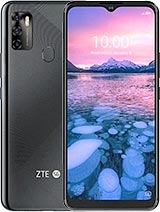
Blade 20 5G

Libero 5G III
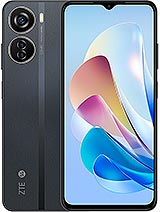
Blade V41 Vita 5G

Blade V2021 5G
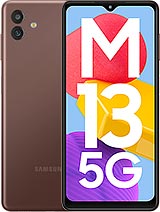
Galaxy M13 5G