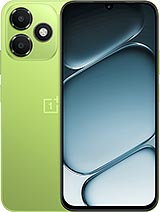
ZTE Blade V80 Max review
This phone suits buyers in emerging markets who prioritize battery life, durability, and storage room over screen sharpness and processing speed. Anyone expecting a modern, snappy experience or crisp display should save more for a mid-range phone instead.
This review is written with AI assistance from ZTE’s published specifications and public benchmark data for the ZTE Blade V80 Max, and the rating is spec-based. GoSolo does not physically test devices; where we estimate real-world behaviour such as battery life or charge time, we say so. How we rate phones.
Overview
The Blade V80 Max is a bare-bones big-screen phone built for buyers who need battery life, storage room, and durability over raw power—and at 100 EUR, it delivers on that formula. The 6.9-inch 720p screen and 6000mAh battery are genuine strengths for the price, but the entry-level Unisoc chip and soft display resolution expose what you're really paying for: size and longevity, not sharpness or speed.
Design & build
At 191g and 8.3mm thick, this is a solidly built large phone that feels appropriately hefty in the hand without being unwieldy. Glass front and plastic frame is the right material mix for the price, and the drop-resistant body rated to 1.8m plus IP64 dust and splash protection gives real durability for the emerging-market use cases this phone targets. The dual-SIM setup and microSD slot are still here, a rarity at this price point in 2026, which matters for buyers in regions where expandable storage and multiple carriers are the norm rather than a relic.
Display
The 6.9-inch IPS LCD screen with 120Hz refresh is pleasantly smooth for scrolling and swiping, and 780 nits of brightness handles outdoor daylight without glare. The real catch is the 720p resolution on a screen this large. At 260 ppi, text and icons are noticeably softer than what you'd see on mid-range phones with tighter pixel density, and sustained reading or detail work will feel fuzzy by comparison. For video playback, social media, and general browsing, the sharpness gap is tolerable; for anyone who spends hours reading or editing, it grates. The aspect ratio skews tall, which is good for one-handed operation on a 6.9-inch panel.
Performance
The Unisoc T7250 is entry-level silicon designed for basic tasks, not speed. App launching is snappy enough, scrolling is fluid thanks to the 120Hz panel, and social media and messaging apps run without hiccups. Heavier apps like maps or video editing will stutter, and pushing multiple apps open at once exposes the chip's limits. Gaming is possible at low settings—don't expect anything beyond casual titles at playable frame rates. For a phone this cheap, the performance matches expectations; you are not paying flagship money, and the hardware reflects that. Daily use never feels broken, but you will be aware of its ceiling.
Software
Android 16 arrives clean and responsive on this device. ZTE's overlay is light enough that it doesn't bog things down, though the entry-level chip is the real bottleneck, not the software. Updates are unlikely to be swift in this price tier, and security patches will probably lag behind flagship schedules. For a phone aimed at emerging markets where software support is secondary to uptime and durability, this is par for the course.
Camera
The 50MP main camera with f/1.8 and phase-detect autofocus handles daylight reasonably well for a budget phone, producing passable detail and color. The sensor's f/1.8 aperture helps in low light compared to tighter lenses at this price, but don't expect clean night shots without significant noise. The 16MP selfie camera is adequate for video calls and social media. Video tops out at 1080p@30fps, which is standard for the price but feels dated by 2026 standards. There is no ultrawide or telephoto, so framing is fixed; the lack of additional lenses is a cost cut, not a scandal at 100 EUR.
Battery & charging
The 6000mAh battery is the phone's genuine headline: light to moderate users will see 1.5 to 2 days per charge, and heavy users will land on a full day without much strain. This capacity alone justifies the large frame. The charging spec lists 23W, which is glacial by modern standards—expect 60–90 minutes to a full top-up—but on a phone this size with this battery, the wait is manageable if you charge overnight. Fast-charging is a luxury this phone skips entirely, and at 100 EUR, that is a clear trade-off you have to accept.
Value & verdict
For 100 EUR, the Blade V80 Max nails a specific job: it is a large, durable, expandable phone with battery life that will outlast a full working day for most users. The 720p screen and entry-level chip are not oversights; they are the cost cuts that made the price possible. If you are shopping here, your priorities are probably battery endurance, screen real estate, and storage flexibility over gaming or display sharpness. By those measures, this phone delivers. Buyers hunting a sharp screen, quick performance, or modern video specs should look up the price ladder; those who want a phone they can charge every other night and trust in dust and splashes will find it here.
Verdict
This phone suits buyers in emerging markets who prioritize battery life, durability, and storage room over screen sharpness and processing speed. Anyone expecting a modern, snappy experience or crisp display should save more for a mid-range phone instead.
- 6000mAh battery pushes 1.5–2 days on light to moderate use, a genuine advantage over typical competitors at this price
- IP64 durability and drop resistance up to 1.8m give real peace of mind in markets where phones face harsh conditions
- MicroSD expansion and dual-SIM support remain, allowing buyers to extend storage and use multiple carriers without compromise
- 720p display on a 6.9-inch screen results in soft, blurry text and icons compared to modern mid-range phones with tighter pixel density
- Unisoc T7250 chipset struggles visibly with heavy multitasking and modern games, and software updates will be slow
- 23W charging is glacially slow by 2026 standards, requiring 60–90 minutes for a full charge
ZTE Blade V80 Max Key Specifications
The essentials at a glance. See the full spec sheet.
| Released | 2026, January 20 |
|---|---|
| Display | 6.9 inches, 113.1 cm2 (~84.7% screen-to-body ratio), IPS LCD, 120Hz, 780 nits |
| Resolution | 720 x 1640 pixels (~260 ppi density) |
| Chipset | Unisoc T7250 (12 nm) |
| RAM & storage | 128GB 8GB RAM, 256GB 8GB RAM |
| Main camera | 50 MP, f/1.8, (wide), PDAF Auxiliary lenses |
| Selfie camera | 16 MP |
| Battery | 6000 mAh |
| Software | Android 16 |
| Dimensions | 171.6 x 77.8 x 8.3 mm (6.76 x 3.06 x 0.33 in) |
| Weight | 191 g (6.74 oz) |
| Build | Glass front, plastic frame |
| Durability | Drop resistant up to 1.8m IP64 dust tight and water resistant (water splashes) |
| Network | GSM / HSPA / LTE |
| NFC | Yes (market/region dependent) |
| USB | USB Type-C 2.0 |
ZTE Blade V80 Max FAQ
Common questions, answered from the spec sheet.
Does the Blade V80 Max support 5G?
No. The Blade V80 Max tops out at GSM / HSPA / LTE, without 5G.
What chipset does the Blade V80 Max use?
The Blade V80 Max runs on the Unisoc T7250 (12 nm).
What display does the Blade V80 Max have?
A 6.9 inches, 113.1 cm2 (~84.7% screen-to-body ratio) IPS LCD, 120Hz, 780 nits, 720 x 1640 pixels (~260 ppi density).
How big is the Blade V80 Max battery?
The Blade V80 Max has a 6000 mAh battery.
Does the Blade V80 Max have NFC?
Yes, the Blade V80 Max has NFC.
Is the Blade V80 Max water resistant?
The Blade V80 Max carries a Drop resistant up to 1.8m IP64 dust tight and water resistant (water splashes) rating.
Does the Blade V80 Max support a microSD card?
Yes, the Blade V80 Max supports expandable storage (microSDXC).
Alternatives to consider
If the Blade V80 Max isn’t quite right, these are the closest calls.
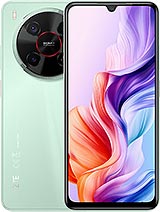
Blade V70 Max
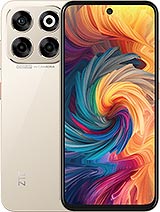
Blade V70
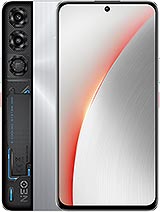
nubia Neo 5 Max
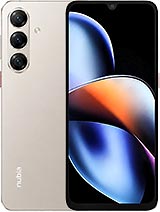
nubia A77 4G
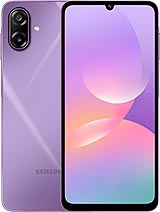
Galaxy M17e