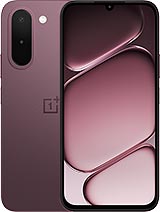
ZTE Blade A36 review
The Blade A36 suits someone who wants simplicity, battery endurance, and a large screen without paying much. Buyers who value speed, image quality, or quick charging should look elsewhere—the entry-level processor and 10W charging are genuine friction points for anyone with heavier demands.
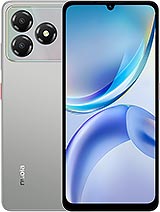
This review is written with AI assistance from ZTE’s published specifications and public benchmark data for the ZTE Blade A36, and the rating is spec-based. GoSolo does not physically test devices; where we estimate real-world behaviour such as battery life or charge time, we say so. How we rate phones.
Overview
The Blade A36 is a budget phone that trades processing power for screen real estate and battery endurance. At under €100, it suits light users who need a phone that survives the week and lasts through a movie, not one that handles heavy multitasking or runs demanding games.
Design & build
The Blade A36 is a large phone at 167.6mm tall and 8.3mm thin, landing somewhere between slim and durable-feeling. The glass front and plastic back are standard at this tier; nothing here will impress, but it also will not fall apart after six months of pocket duty. At €99.99, the triple-colour palette (black, green, silver) is more fun than most budget rivals offer. The bezel-to-screen ratio is healthy at 84.8%, so you are not looking through thick black frames.
Display
The 6.75-inch 90Hz IPS LCD is the phone's genuine strength. Screen size is comfortable for reading, watching video, or squinting at maps without eyestrain, and 90Hz scrolling feels noticeably smoother than the 60Hz standard. Colours look natural rather than oversaturated. The catch: 720p resolution at this screen size means 260 ppi density, which is soft. Text does not shimmer like it does on sharper screens, and fine details in photos or icons blur slightly if you hold the phone at arm's length. For a device at this price, it is a fair trade, but anyone upgrading from a 1080p phone will notice the step back immediately.
Performance
The Unisoc T7200 paired with 4GB RAM handles what this phone is designed for: messages, calls, casual social media, light web browsing, and video playback. Everyday tasks do not stutter. Load a handful of browser tabs, fire up a heavyweight game, or run demanding video editing tools, and you will feel the squeeze. The processor throttles under sustained load, and 4GB RAM leaves little headroom for background apps. For a 2025 budget phone, this chipset is where entry-level sits. It is not a computing brick, but it is not a match for rivals offering Snapdragon 4 chips at similar prices. That said, if your use case is light, the restraint is liveable.
Software
Android 15 ships standard, and ZTE's skin is light enough not to clutter the experience. Updates are always the question on a budget device this cheap, and ZTE has a mixed track record; do not expect three years of guaranteed patches. The phone ships with bloatware, as is typical for the tier, but most can be uninstalled. For a buyer who just needs a working Android phone, this is unremarkable and functional.
Camera
The 13MP main camera takes passable daylight photos. Colours are reasonably true, and the autofocus works without lag. Zoom in and noise becomes obvious, and low-light shots are grainy and lack detail. The 5MP selfie is soft and barely adequate for video calls. Video is locked at 1080p 30fps, which is fine for casual clips but feels dated next to 4K options appearing at this price tier. For a phone at €99.99, expecting DSLR-like images is unrealistic; the camera is honest about its limits.
Battery & charging
The 5000mAh battery is one of the Blade A36's better choices. In light use (messages, calls, browsing, a bit of video), you will comfortably reach day two. Moderate daily use gets you through a day. Heavy use drains it to evening. The issue is charging: 10W is glacial by modern standards. Two to three hours to full is a ask; rivals at this price now offer 20W, 30W, or beyond. If you are away from a charger during active days or travel frequently, you will feel the pain. At home, overnight charging is standard, but it is a real gap against competitors.
Value & verdict-context
At €99.99 (£92.41), the Blade A36 pitches itself as a no-frills alternative to the flash and speed of mid-range phones. It succeeds at one thing: giving you a big screen and a battery that lasts. It stumbles at charging speed and display clarity. A buyer should weigh what they use their phone for. If you send messages, browse news sites, watch YouTube, and make calls, this phone is fit for purpose and costs almost nothing. If you play games, shoot photos for social media, or use heavy apps, a used flagship or a newer budget phone with a faster chip and faster charging will serve you far better. The headphone jack and expandable storage are honest touches that many rivals have abandoned; they hint that ZTE understands its audience. For the money, it is honest, if underdynamic.
Verdict
The Blade A36 suits someone who wants simplicity, battery endurance, and a large screen without paying much. Buyers who value speed, image quality, or quick charging should look elsewhere—the entry-level processor and 10W charging are genuine friction points for anyone with heavier demands.
- Large 6.75-inch screen with 90Hz refresh and decent colour reproduction on IPS LCD
- 5000mAh battery delivers solid endurance for light to moderate daily use
- Includes headphone jack and FM radio, which many budget rivals have dropped
- Expandable storage via dedicated microSD slot, so you are not locked into 64GB
- 10W charging is painfully slow—expect 2 to 3 hours to full, competing entry phones often offer 20W or more
- 720p resolution on a 6.75-inch screen leaves text slightly soft; rivals at this price have moved to 1080p
- Unisoc T7200 is entry-level and bottlenecks any app heavier than casual browsing or lightweight social media
ZTE Blade A36 Key Specifications
The essentials at a glance. See the full spec sheet.
| Released | 2025, June 18 |
|---|---|
| Display | 6.75 inches, 110.0 cm2 (~84.8% screen-to-body ratio), IPS LCD, 90Hz |
| Resolution | 720 x 1600 pixels, 20:9 ratio (~260 ppi density) |
| Chipset | Unisoc T7200 (12 nm) |
| RAM & storage | 64GB 4GB RAM |
| Main camera | 13 MP, AF Auxiliary lens |
| Selfie camera | 5 MP |
| Battery | 5000 mAh |
| Charging | 10W wired |
| Software | Android 15 |
| Dimensions | 167.6 x 77.4 x 8.3 mm (6.60 x 3.05 x 0.33 in) |
| Build | Glass front, plastic frame, plastic back |
| Network | GSM / HSPA / LTE |
| NFC | No |
| USB | USB Type-C 2.0 |
ZTE Blade A36 FAQ
Common questions, answered from the spec sheet.
Does the Blade A36 support 5G?
No. The Blade A36 tops out at GSM / HSPA / LTE, without 5G.
What chipset does the Blade A36 use?
The Blade A36 runs on the Unisoc T7200 (12 nm).
What display does the Blade A36 have?
A 6.75 inches, 110.0 cm2 (~84.8% screen-to-body ratio) IPS LCD, 90Hz, 720 x 1600 pixels, 20:9 ratio (~260 ppi density).
How big is the Blade A36 battery?
The Blade A36 has a 5000 mAh battery. Charging is rated at 10W wired.
Does the Blade A36 have NFC?
No, the Blade A36 does not list NFC support.
Does the Blade A36 support a microSD card?
Yes, the Blade A36 supports expandable storage (microSDXC (dedicated slot)).
Does the Blade A36 have a headphone jack?
Yes, the Blade A36 has a 3.5mm headphone jack.
Alternatives to consider
If the Blade A36 isn’t quite right, these are the closest calls.

Blade A56

Blade V70 Max
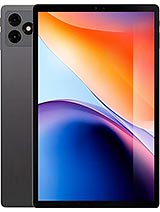
Blade X1001
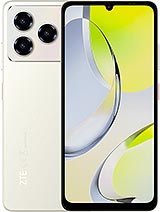
Blade A76 4G
Galaxy M17e