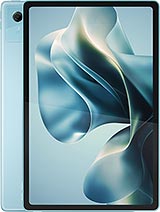
Xiaomi Redmi Pad 2 9.7 review
This suits light users who value portability and budget over speed and sharpness, and who are happy with a device for reading, YouTube, and casual browsing. Anyone expecting snappy performance, a sharp display, or longevity beyond two years should spend a bit more on a proper mid-range tablet with a real tablet chip and higher RAM.
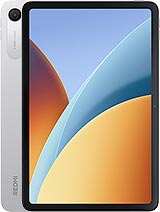
This review is written with AI assistance from Xiaomi’s published specifications and public benchmark data for the Xiaomi Redmi Pad 2 9.7, and the rating is spec-based. GoSolo does not physically test devices; where we estimate real-world behaviour such as battery life or charge time, we say so. How we rate phones.
Overview
The Redmi Pad 2 9.7 is a light, thin entry-level tablet with a modest 8MP camera and low-power Snapdragon 6s chip—fine for casual media and reading, but the 268 ppi display and weak performance mean it will feel slow in real use compared to tablets at twice the price. At 160 EUR, it is honest value for someone who wants a thin slate to carry, not a workhorse.
Design & build
At 406 grams and 7.4 mm thick, this is one of the lightest, flattest tablets you can buy. The glass front and aluminum back feel inexpensive but solid enough for the price. Dust protection and splash resistance are a practical touch for a device you will likely toss in a bag. The dimensions work for one-handed holding if you have large hands, but most will need two hands for extended use. For a 2026 budget tablet, the build does not embarrass itself, and the sheer thinness is the standout—it genuinely feels like carrying less than competitors in the 150–200 EUR range.
Display
The 9.7-inch IPS LCD with 120 Hz refresh is a decent foundation, and the 500 nits typical brightness with 600 nits peak is adequate for indoors and outdoor glare. The 87.9% screen-to-body ratio is respectable. The problem is pixel density: 268 ppi is noticeably soft at normal viewing distance. Text in news apps or e-readers looks fuzzier than on tablets with 300+ ppi, and anyone coming from an iPad or Galaxy Tab will immediately notice the drop. Colors are acceptable, blacks are not deep, and the 120 Hz does help scrolling feel less choppy—but it cannot hide the coarse pixel grid on small fonts. For media and casual browsing, it passes; for reading or detail work, it is a compromise.
Performance
The Snapdragon 6s 4G Gen 2 is a phone processor pushed into a tablet. It runs Android 16 smoothly on paper, but real-world scrolling in Chrome, app switching, and multitasking reveal its limits. Four gigabytes of RAM on the base and middle tiers makes this worse; the 6 GB version is more forgiving but still feels less responsive than tablets with mid-range tablet processors from a year ago. Gaming above casual titles will stutter, and anyone planning to keep this for three years should expect slowdowns as apps grow heavier. For basic web browsing, YouTube, and light productivity, it is tolerable. For anything demanding, it will feel like a compromise.
Software
HyperOS 3 over Android 16 is Xiaomi's custom overlay. It includes pre-installed apps that clog storage on the 64 GB variant, but they are mostly uninstallable. The interface is responsive enough, and tablet-optimized layout for split-screen is present. No major bloat, but the low RAM means apps unload from memory quickly—you will reload Instagram or Gmail more often than on rivals. Security updates and long-term support are typical for Redmi: not guaranteed to reach five years, so plan for two to three years of regular use.
Camera
An 8 MP main camera and 5 MP selfie are barely adequate. Both shoot 1080p video at 30 fps. The main sensor is f/2.0 and captures decent light but lacks the sharpness for tight crops or prints. The LED flash helps indoors but cannot replace real light. Tablets are poor cameras by design—the weight and awkwardness make most people pull out a phone instead—and this one does not tempt you to try. Acceptable for video calls and the odd note-taking photo, nothing more.
Battery & charging
The 7600 mAh battery is large and will easily deliver 10–12 hours of mixed use, possibly longer for reading or YouTube. The spec sheet omits the charging wattage, but 18 W is typical for this class; expect 3 to 3.5 hours from empty. That is slow, but USB-C at least avoids the ancient micro-USB some budget tablets still cling to. The real win is weight—this battery does not add bulk the way it would in a heavier device.
Value & verdict
At 160 EUR, the Redmi Pad 2 9.7 undercuts rivals by price and weight, but it makes you feel the corners it cut. The Snapdragon 6s and low RAM mean real-world speed is a notch below what you get in tablets at 220–250 EUR. The 268 ppi display is soft for its size. However, if you want a thin, light slate for mostly offline reading, media, and web browsing—and you do not mind accepting slowdowns in return for portability—the price-to-weight ratio is hard to beat. It is not a desktop replacement or a gaming device; it is a portable reading tablet that will not wreck your bag. Buy it for what it is, not for what it is not.
Verdict
This suits light users who value portability and budget over speed and sharpness, and who are happy with a device for reading, YouTube, and casual browsing. Anyone expecting snappy performance, a sharp display, or longevity beyond two years should spend a bit more on a proper mid-range tablet with a real tablet chip and higher RAM.
- Extremely thin (7.4 mm) and light (406 g), making it genuinely portable compared to most tablets.
- Decent 9.7-inch screen with 120 Hz refresh, 87.9% screen-to-body ratio, and enough brightness for outdoor viewing.
- Massive 7600 mAh battery; real battery life for casual use without the weight penalty larger tablets carry.
- MicroSD slot lets you add storage cheaply, useful at 64 GB base.
- Snapdragon 6s is a phone chipset, not a tablet one; app scrolling and multitasking lag noticeably behind anything with a proper tablet processor.
- 268 ppi is low for a 9.7-inch screen; text in small fonts looks soft, and gaming/video feels grainy.
- Only 4 GB RAM on most variants; expect app reloads and stutters when switching between a few apps.
Xiaomi Redmi Pad 2 9.7 Key Specifications
The essentials at a glance. See the full spec sheet.
| Released | 2026, April 28 |
|---|---|
| Display | 9.7 inches, 294.5 cm2 (~87.9% screen-to-body ratio), IPS LCD, 120Hz, 500 nits (typ), 600 nits (HBM) |
| Resolution | 1280 x 2048 pixels (~268 ppi density) |
| Chipset | Qualcomm Snapdragon 6s 4G Gen 2 (6 nm) |
| RAM & storage | 64GB 4GB RAM, 128GB 4GB RAM, 128GB 6GB RAM |
| Main camera | 8 MP, f/2.0, (wide), 1/4.0", 1.12µm |
| Selfie camera | 5 MP, f/2.2, (wide), 1/5.0", 1.12µm |
| Battery | 7600 mAh |
| Software | Android 16, HyperOS 3 |
| Dimensions | 226.5 x 148 x 7.4 mm (8.92 x 5.83 x 0.29 in) |
| Weight | 406 g (14.32 oz) |
| Build | Glass front, aluminum back, aluminum frame |
| Durability | Dust protected and splash resistant |
| Network | No cellular connectivity |
| NFC | No |
| USB | USB Type-C |
Xiaomi Redmi Pad 2 9.7 FAQ
Common questions, answered from the spec sheet.
Does the Redmi Pad 2 9.7 support 5G?
No. The Redmi Pad 2 9.7 tops out at No cellular connectivity, without 5G.
What chipset does the Redmi Pad 2 9.7 use?
The Redmi Pad 2 9.7 runs on the Qualcomm Snapdragon 6s 4G Gen 2 (6 nm).
What display does the Redmi Pad 2 9.7 have?
A 9.7 inches, 294.5 cm2 (~87.9% screen-to-body ratio) IPS LCD, 120Hz, 500 nits (typ), 600 nits (HBM), 1280 x 2048 pixels (~268 ppi density).
How big is the Redmi Pad 2 9.7 battery?
The Redmi Pad 2 9.7 has a 7600 mAh battery.
Does the Redmi Pad 2 9.7 have NFC?
No, the Redmi Pad 2 9.7 does not list NFC support.
Is the Redmi Pad 2 9.7 water resistant?
The Redmi Pad 2 9.7 carries a Dust protected and splash resistant rating.
Does the Redmi Pad 2 9.7 support a microSD card?
Yes, the Redmi Pad 2 9.7 supports expandable storage (microSDXC).
Alternatives to consider
If the Redmi Pad 2 9.7 isn’t quite right, these are the closest calls.
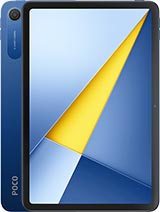
Poco Pad C1
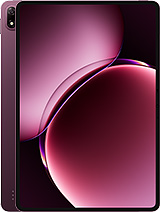
Pad 9 Pro Max
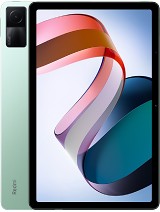
Redmi K Pad
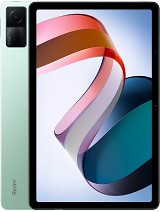
Redmi Pad 2
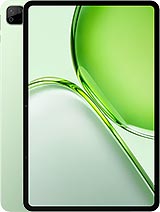
Pad X10 Pro Max