Xiaomi Redmi M100 review
The Redmi M100 is a budget-friendly large-screen Android phone that prioritizes battery life and 5G connectivity over camera and raw power
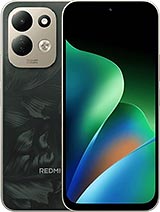
This review is written with AI assistance from Xiaomi’s published specifications and public benchmark data for the Xiaomi Redmi M100, and the rating is spec-based. GoSolo does not physically test devices; where we estimate real-world behaviour such as battery life or charge time, we say so. How we rate phones.
Overview
The Redmi M100 is a budget-friendly large-screen Android phone that prioritizes battery life and 5G connectivity over camera and raw power. At €230, it succeeds as a straightforward everyday device for users who value screen real estate and endurance, but the entry-level Snapdragon 4 Gen 5 and 13MP camera mean performance and photo quality sit firmly below mid-range standards.
Design & build
The M100 is a large phone that doesn't feel bulky. At 232g and 8.8mm thick, it's solid in hand for a 6.9-inch device. The glass front (Gorilla Glass 7i) and plastic or eco-leather back with plastic frame are honest materials for the price, not pretentious. IP64 dust and splash resistance is useful, and the RGB light on the back is a small flourish that signals Redmi's willingness to add character without inflating cost. Where rivals often cheap out on the chassis, Xiaomi's approach here feels balanced.
Display
The 6.9-inch IPS LCD with 120Hz is the standout feature at this price. Refresh rate and brightness (825 nits HBM) make day-to-day use pleasant, and the 86% screen-to-body ratio means minimal bezels. The problem is the 720p resolution across that size. At 254 ppi, text and UI elements lack the crispness of rivals with 1080p panels at similar sizes. Watching video and browsing look fine from arm's length, but anyone upgrading from a sharper display will notice the blur. For media consumption on a budget, this trade-off is acceptable; for reading or detailed work, it's a real step down.
Performance
The Snapdragon 4 Gen 5 is entry-level for 2026. The 2.4 GHz octa-core handles day-to-day tasks and most social apps smoothly, but multitasking and sustained performance drop noticeably under load. Gaming beyond casual titles will stutter. Apps open a tick slower than mid-range rivals, and background processes can visibly lag if you're juggling several. The 6GB or 8GB RAM helps, but the chipset is the ceiling. For light users who stick to messaging, email, and basic browsing, this is livable. Anyone expecting responsive handling for work or moderate gaming will be disappointed.
Software
Android 16 with HyperOS 3 ships fresh and comes with the usual Xiaomi bloat of pre-installed apps, though less aggressive than some competitors. Updates and security patches are key here—Redmi's track record on budget models is middling, so assume 2-3 years of major updates and longer for security patches if you're lucky. The OS itself runs fine on the hardware, without the stuttering you'd see on a competing budget phone with an older chipset, but don't expect the polish of a higher-tier Xiaomi.
Camera
The 13MP main camera is a bare-bones setup. No ultra-wide, no macro, no depth sensor—just a single lens with LED flash and HDR. Output is acceptable in daylight but soft at pixel-peeping distance; low-light performance is grainy and lacks detail. The 5MP selfie is adequate for video calls. Video tops out at 1080p@30fps, which limits options if you want flexibility in editing or sharing. For €230, expecting flagship optics is unrealistic, but rivals at this price often throw in an ultra-wide. Xiaomi has chosen simplicity here, which keeps costs down but leaves you without options.
Battery & charging
The 7900 mAh battery is generous and easily delivers 1.5 days of moderate use or a full day with heavy use. Standby is excellent. The spec sheet notes 45W charging, which means filling from empty in about 90 minutes—solid for this class. Xiaomi doesn't often skimp on charging speeds at budget levels, and this follows form. Battery degrades slowly on modern silicon, so longevity should be reasonable if not exceptional.
Value & verdict
At €230, the M100 slots into the tight budget segment where every euro counts. It's not the cheapest phone available, and it's not trying to be. Instead, it's a pragmatic choice: large screen, long battery, 5G radio, and durable build for a flat price. The core compromise is performance and camera quality, both noticeably entry-level. If you value screen size and endurance over speed and image quality, the value holds. If you're close to this price and can stretch another €50-100, a mid-range phone with a better chipset and camera will feel noticeably faster and more capable. The M100 is built for people who genuinely need a big screen and can live without horsepower.
Verdict
The Redmi M100 suits buyers who prioritize battery life and screen space on a tight budget and can tolerate entry-level performance. It's less ideal for anyone who plans to keep the phone for 3+ years or who uses apps that demand consistent responsiveness or want decent photos. Upgrading from an older phone with a broken screen or dead battery, or stepping into smartphones for the first time, makes this a practical pick.
Verdict
- 7900 mAh battery makes all-day use reliable even with moderate to heavy use
- 6.9-inch screen with 120Hz refresh is genuinely useful for scrolling and apps, a rarity at this price
- IP64 rating and glass front offer practical durability for a budget phone
- Compact for its screen size at 232g and 8.8mm, with 5G and NFC support
- 254 ppi at 6.9 inches means text and icons look noticeably soft compared to denser displays
- Entry-level Snapdragon 4 Gen 5 struggles with multitasking and moderate gaming
- 13MP camera with no ultra-wide or depth sensor is basic even for budget class; 1080p video ceiling limits flexibility
Xiaomi Redmi M100 Key Specifications
The essentials at a glance. See the full spec sheet.
| Released | 2026, August 19 |
|---|---|
| Display | 6.9 inches, 114.9 cm2 (~86.2% screen-to-body ratio), IPS LCD, 120Hz, 825 nits (HBM) |
| Resolution | 720 x 1600 pixels, 20:9 ratio (~254 ppi density) |
| Chipset | Qualcomm Snapdragon 4 Gen 5 |
| RAM & storage | 128GB 6GB RAM, 256GB 6GB RAM, 256GB 8GB RAM |
| Main camera | 13 MP |
| Selfie camera | 5 MP |
| Battery | 7900 mAh |
| Software | Android 16, HyperOS 3 |
| Dimensions | 170.1 x 78.4 x 8.8 mm (6.70 x 3.09 x 0.35 in) |
| Weight | 232 g (8.18 oz) |
| Build | Glass front (Gorilla Glass 7i), plastic back or silicone polymer (eco leather) back, plastic frame |
| Durability | IP64 dust tight and water resistant (water splashes) RGB light (on the back) |
| Network | GSM / HSPA / LTE / 5G |
| NFC | Yes |
| USB | USB Type-C 2.0 |
Xiaomi Redmi M100 FAQ
Common questions, answered from the spec sheet.
Does the Redmi M100 support 5G?
Yes. The Redmi M100 supports 5G networks.
What chipset does the Redmi M100 use?
The Redmi M100 runs on the Qualcomm Snapdragon 4 Gen 5.
What display does the Redmi M100 have?
A 6.9 inches, 114.9 cm2 (~86.2% screen-to-body ratio) IPS LCD, 120Hz, 825 nits (HBM), 720 x 1600 pixels, 20:9 ratio (~254 ppi density).
How big is the Redmi M100 battery?
The Redmi M100 has a 7900 mAh battery.
Does the Redmi M100 have NFC?
Yes, the Redmi M100 has NFC.
Is the Redmi M100 water resistant?
The Redmi M100 carries a IP64 dust tight and water resistant (water splashes) RGB light (on the back) rating.
Does the Redmi M100 support a microSD card?
No, the Redmi M100 does not support expandable storage.
Alternatives to consider
If the Redmi M100 isn’t quite right, these are the closest calls.

Redmi 17
Redmi A7 Pro 4G

Redmi A7

Redmi 17C 4G

Galaxy M17e