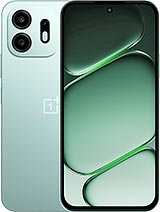
Vivo iQOO Z11i review
The Z11i suits anyone who lives on a single battery charge and wants a light, thin phone that handles basic tasks without lag. Skip it if you spend time looking at your screen, taking photos, or need reasonable charging speeds—the budget space has better options.

This review is written with AI assistance from Vivo’s published specifications and public benchmark data for the Vivo iQOO Z11i, and the rating is spec-based. GoSolo does not physically test devices; where we estimate real-world behaviour such as battery life or charge time, we say so. How we rate phones.
Overview
The iQOO Z11i is a light, affordable 5G phone that does the basics without embarrassment: the 6500mAh battery is genuinely good for this price, the 120Hz LCD is crisp enough, and the Snapdragon 4 Gen 2 is snappy for everyday use. The 13MP camera is weak, the 720p display resolution is a step back even for budget phones, and charging speed isn't listed—red flags for 2026, even at €160.
Design & build
The Z11i is genuinely light—209 grams and just 8.4mm thick—which makes it easier to use one-handed than most rivals in its tier. The plastic frame and back are standard at this price, and while they won't impress, they do not feel cheap either. IP65 rating means it can handle dust and light water spray, a sensible inclusion for the money. The big drawback is the heft distribution: despite being light overall, the frame feels a touch hollow compared to glass-backed competitors. It's fine for the price, but do not expect it to feel as solid as a phone costing twice as much.
Display
The 6.74-inch, 120Hz LCD is a mixed picture. The brightness is strong—1200 nits peak in HDR is well above budget norms and makes outdoor use genuinely workable. The 120Hz refresh keeps scrolling and gaming smooth, a genuine quality-of-life feature even on a budget chip. The problem is the 720p resolution, which pushes 260 ppi on a screen this size. Rivals from Samsung and Xiaomi at similar prices now ship 1080p panels, and the softness is noticeable side by side, especially when reading or browsing text. If you are going to stare at a 6.74-inch screen, this is a compromise.
Performance
The Snapdragon 4 Gen 2 is entry-level silicon, and it behaves exactly as you would expect. Apps launch quickly, scrolling does not stutter, and casual gaming at low settings is fine. The GPU is not powerful enough for demanding games at high framerates, but the 120Hz screen does soften the blow. The 6GB and 8GB RAM options both handle multitasking without obvious slowdowns for typical use. This is not a phone for video editing or graphics work, and it will feel dated in two years, but for email, social media, and web browsing in 2026, it does the job without frustration.
Software
Android 16 with OriginOS 6 on top is current and should keep the phone secure for a reasonable time, though Vivo's skin adds bloat that some users will resent. The side-mounted fingerprint sensor works reliably and is faster than in-display options on budget phones. Overall, software feels standard for a Vivo budget release—serviceable but not a draw.
Camera
A single 13MP lens with f/2.2 aperture and autofocus is bare-bones by 2026 standards. In good light it captures usable snapshots, but the low megapixel count and wide aperture mean low-light shots will be noisy and lack detail. The 1080p video is acceptable for social sharing but nowhere near what even mid-range competitors offer. If photography matters to you at all, this phone will disappoint. The 5MP selfie is functional for video calls and that is all.
Battery & charging
The 6500mAh cell is the Z11i's strongest card. On typical use you will easily stretch past a full day, and light users might see two days. That is genuinely rare in the budget segment and outpaces most rivals in this price range. The drawback is the charging speed, which is not listed on the spec sheet—a sign it is likely a pedestrian 15W or 18W. At €160, buyers now expect 30W, and the omission suggests Vivo is cutting corners here. Even with a large battery, slow charging means you are stuck with a charger overnight.
Value & verdict
At €160, the iQOO Z11i targets people who prioritize battery life and light weight over sharpness, performance, or camera quality. For a student buying their first phone or someone needing a backup device that will last all day, it hits the mark. The problem is that the competition at this price has moved faster: the 720p screen and 13MP camera feel like regression, and the lack of clarity on charging speed suggests this phone is built to a cost rather than a value. If battery life is your main concern and you do not care about screen resolution or photo quality, it works. Otherwise, looking at rivals with 1080p screens, better cameras, and faster charging is worth the effort.
Verdict
The Z11i suits anyone who lives on a single battery charge and wants a light, thin phone that handles basic tasks without lag. Skip it if you spend time looking at your screen, taking photos, or need reasonable charging speeds—the budget space has better options.
- 6500mAh battery with all-day stamina, rare in the budget space
- Lightweight at 209g with a thin 8.4mm frame, genuinely comfortable to hold
- 120Hz IPS LCD with 1200 nits peak brightness keeps scrolling smooth and the screen legible in sunlight
- 5G connectivity and Android 16 with OriginOS 6 out of the box
- 720p resolution on a 6.74-inch screen is noticeably soft (260 ppi); rivals at this price now offer 1080p
- 13MP camera with f/2.2 aperture and 1080p video feels underbaked for 2026
- Charging wattage not specified, likely 15-18W; at this price, buyers expect 30W or faster
Vivo iQOO Z11i Key Specifications
The essentials at a glance. See the full spec sheet.
| Released | 2026, April 06 |
|---|---|
| Display | 6.74 inches, 109.7 cm2 (~85.0% screen-to-body ratio), IPS LCD, 120Hz, 1200 nits (HBM) |
| Resolution | 720 x 1600 pixels, 20:9 ratio (~260 ppi density) |
| Chipset | Qualcomm SM4450 Snapdragon 4 Gen 2 (4 nm) |
| RAM & storage | 128GB 6GB RAM, 128GB 8GB RAM, 256GB 8GB RAM |
| Main camera | 13 MP, f/2.2, (wide), AF |
| Selfie camera | 5 MP, f/2.2, (wide) |
| Battery | 6500 mAh |
| Software | Android 16, OriginOS 6 |
| Dimensions | 167.4 x 77.1 x 8.4 mm (6.59 x 3.04 x 0.33 in) |
| Weight | 209 g (7.37 oz) |
| Build | Glass front, plastic frame, plastic back |
| Durability | IP65 dust tight and water resistant (low pressure water jets) |
| Network | GSM / HSPA / LTE / 5G |
| NFC | No |
| USB | USB Type-C 2.0, OTG |
Vivo iQOO Z11i FAQ
Common questions, answered from the spec sheet.
Does the iQOO Z11i support 5G?
Yes. The iQOO Z11i supports 5G networks.
What chipset does the iQOO Z11i use?
The iQOO Z11i runs on the Qualcomm SM4450 Snapdragon 4 Gen 2 (4 nm).
What display does the iQOO Z11i have?
A 6.74 inches, 109.7 cm2 (~85.0% screen-to-body ratio) IPS LCD, 120Hz, 1200 nits (HBM), 720 x 1600 pixels, 20:9 ratio (~260 ppi density).
How big is the iQOO Z11i battery?
The iQOO Z11i has a 6500 mAh battery.
Does the iQOO Z11i have NFC?
No, the iQOO Z11i does not list NFC support.
Is the iQOO Z11i water resistant?
The iQOO Z11i carries a IP65 dust tight and water resistant (low pressure water jets) rating.
Does the iQOO Z11i support a microSD card?
No, the iQOO Z11i does not support expandable storage.
Alternatives to consider
If the iQOO Z11i isn’t quite right, these are the closest calls.
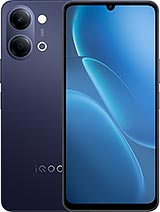
iQOO Z11 Lite 44W
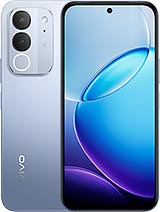
Y600i
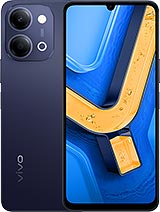
Y11d
Y31t
Galaxy M17e