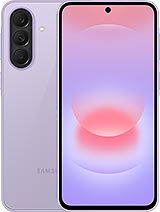
Vivo iQOO Z11 review
The Z11 suits people who watch video, scroll media, and game casually and will value battery life and screen brightness over a fancy design or camera range. Skip it if you demand flagship performance, a multi-lens camera setup, or a premium material feel.

This review is written with AI assistance from Vivo’s published specifications and public benchmark data for the Vivo iQOO Z11, and the rating is spec-based. GoSolo does not physically test devices; where we estimate real-world behaviour such as battery life or charge time, we say so. How we rate phones.
Overview
The iQOO Z11 pairs a mid-tier chipset with a genuinely excellent AMOLED screen and hefty 9020 mAh battery at a reasonable €370 price, making it a solid pick for buyers who value display and endurance over raw speed. The plastic back and lack of an ultrawide camera keep it from feeling like a complete package, but for the money it does what it promises without pretence.
Design & build
At 213 grams and 8.3 mm thick, the Z11 is a substantial phone that feels weighty without being awkward to hold. The glass front pairs with a plastic frame and back, a common cost-cutting move that works fine for durability but does cheapen the feel compared to all-glass rivals. The IP68/IP69 rating with immersion down to 1.5 metres is genuinely useful for people who work near water or are clumsy. The screen-to-body ratio of 90.3 percent is solid for 2026, meaning minimal bezels and a grown-up look. Colour options—Cosmic Black and Glacier Blue—are conservative but inoffensive. Nothing surprising here, but nothing obviously broken either.
Display
The 6.83-inch AMOLED screen is the standout. It runs at 1260 x 2800 pixels (450 ppi), which is sharp enough at 6.83 inches and sits comfortably above the blur threshold even up close. The 144 Hz refresh rate is overkill for a mid-range phone, but you will feel it in scrolling and gaming. Brightness hits 800 nits typical, 2000 nits in high brightness mode, and a claimed 5000 nits peak—figures that put most mid-range screens to shame and rival much pricier handsets. The 2160 Hz PWM is high enough that flicker-sensitive eyes should be fine. For the price, this display is a cut above what you usually get: the colour and motion are genuinely engaging, not just competent.
Performance
The Snapdragon 7s Gen 4 is a capable upper-midrange chip, solid for day-to-day work and gaming but not a speed demon. It keeps up with everyday tasks, multitasking, and mid-tier games without strain, though heavier titles will hit frame-rate limits on high settings. The Adreno 810 GPU is respectable for this tier. With 8 or 12 GB of RAM and UFS 3.1 storage, the Z11 snaps between apps and loads quickly. You won't feel held back for normal use, but this is not a chipset for mobile editing, heavy emulation, or sustained high-end gaming. It is fit for its class and price: competent rather than thrilling.
Software
Android 16 with Origin OS 6.0 on top is Vivo's customisation layer. Origin OS has improved over the years and is less bloated than it once was, though it still sits heavier than stock Android. You will get the feature set and a degree of personalisation, but expect more factory preload than you might on a Pixel or stock-focused phone. Updates and support timeframes are typical for the Vivo ecosystem in this price band. No major red flags, but no particular edge either.
Camera
The rear is a single 50 MP f/1.8 sensor with optical image stabilisation, PDAF, and a 1/1.95-inch size—solid specs that typically yield clean, detailed stills in good light. The lack of an ultrawide is a real omission for this price class, where competitors often bundle a second lens. Video maxes at 4K 30fps, which is adequate but not impressive. The 32 MP selfie camera is fine for video calls and casual shots. In daylight the main sensor will impress; in shadow or at night, the single focal length limits flexibility. For a €370 phone, the main camera is credible, but the ultrawide gap stings.
Battery & charging
The 9020 mAh battery is substantially larger than you typically see at this price and will deliver two days of normal use or a full day under heavier load. Endurance is a genuine strength. Charging tops out at 90W, which is respectably fast and should top the phone from empty in around 40–50 minutes. No wireless charging, but that is expected at €370. The Si/C chemistry hints at future longevity, though long-term degradation will depend on real-world use. Battery life is one of the Z11's real selling points.
Value & verdict
At €370, the Z11 delivers a bright, 144 Hz AMOLED screen, a large battery, and a capable mid-range processor in a tidy package. It is not trying to be a flagship or a budget phone; it is an honest mid-ranger. The plastic back and single camera will disappoint people chasing a premium feel, and the Snapdragon 7s will feel slow only if you demand bleeding-edge gaming or heavy apps. If you spend most time browsing, messaging, video streaming, and casual gaming, the Z11 will feel fast enough and last through the day without fuss. For buyers in markets where €370 is a significant spend, this phone asks little and delivers visibly.
Verdict
The Z11 suits people who watch video, scroll media, and game casually and will value battery life and screen brightness over a fancy design or camera range. Skip it if you demand flagship performance, a multi-lens camera setup, or a premium material feel.
- Exceptionally bright AMOLED screen with high refresh rate feels like a class above at this price
- 9020 mAh battery delivers genuine two-day endurance, a rarity in this segment
- 90W fast charging brings the large battery back to usable in under an hour
- IP68/IP69 rating with deep-water immersion is uncommon and genuinely useful for clumsy or water-adjacent users
- Single rear camera with no ultrawide cuts flexibility compared to mid-range rivals in 2026
- Plastic back and frame cheapen the feel despite the glass front
- Snapdragon 7s Gen 4 is solid but not fast enough for demanding mobile gaming or heavy multitasking
Vivo iQOO Z11 Key Specifications
The essentials at a glance. See the full spec sheet.
| Released | 2026, May 05 |
|---|---|
| Display | 6.83 inches, 112.6 cm2 (~90.3% screen-to-body ratio), AMOLED, 1B colors, 144Hz, 2160Hz PWM, HDR, 800 nits (typ), 2000 nits (HBM), 5000 nits (peak) |
| Resolution | 1260 x 2800 pixels, 20:9 ratio (~450 ppi density) |
| Chipset | Qualcomm Snapdragon 7s Gen 4 |
| RAM & storage | 128GB 8GB RAM, 256GB 8GB RAM, 256GB 12GB RAM |
| Main camera | 50 MP, f/1.8, (wide), 1/1.95", PDAF, OIS Auxiliary lens |
| Selfie camera | 32 MP, f/2.0, (wide) |
| Battery | 9020 mAh |
| Software | Android 16, Origin OS 6.0 |
| Dimensions | 163.7 x 76.2 x 8.3 mm (6.44 x 3.00 x 0.33 in) |
| Weight | 213 g (7.51 oz) |
| Build | Glass front, plastic frame, plastic back |
| Durability | IP68/IP69 dust tight and water resistant (high pressure water jets; immersible up to 1.5m for 30 min) |
| Network | GSM / HSPA / LTE / 5G |
| NFC | Yes |
| USB | USB Type-C 2.0, OTG |
Vivo iQOO Z11 FAQ
Common questions, answered from the spec sheet.
Does the iQOO Z11 support 5G?
Yes. The iQOO Z11 supports 5G networks.
What chipset does the iQOO Z11 use?
The iQOO Z11 runs on the Qualcomm Snapdragon 7s Gen 4.
What display does the iQOO Z11 have?
A 6.83 inches, 112.6 cm2 (~90.3% screen-to-body ratio) AMOLED, 1B colors, 144Hz, 2160Hz PWM, HDR, 800 nits (typ), 2000 nits (HBM), 5000 nits (peak), 1260 x 2800 pixels, 20:9 ratio (~450 ppi density).
How big is the iQOO Z11 battery?
The iQOO Z11 has a 9020 mAh battery.
Does the iQOO Z11 have NFC?
Yes, the iQOO Z11 has NFC.
Is the iQOO Z11 water resistant?
The iQOO Z11 carries a IP68/IP69 dust tight and water resistant (high pressure water jets; immersible up to 1.5m for 30 min) rating.
Does the iQOO Z11 support a microSD card?
No, the iQOO Z11 does not support expandable storage.
Alternatives to consider
If the iQOO Z11 isn’t quite right, these are the closest calls.

iQOO Z11 Turbo

iQOO Z11 (China)

iQOO Z11x

T5 Pro

Nord CE6