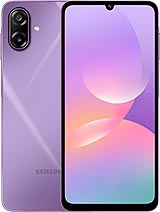
Ulefone Note 23 review
The Note 23 suits users in markets where power reliability is low and phone budgets are tight, or anyone who prioritizes multi-day battery and durability over screen quality and performance. Skip it if you value a crisp display, modern wireless speeds, or any kind of visual fidelity; there are better budget options at this price with sharper screens and faster chips."
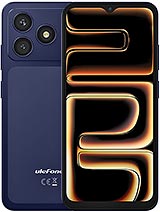
This review is written with AI assistance from Ulefone’s published specifications and public benchmark data for the Ulefone Note 23, and the rating is spec-based. GoSolo does not physically test devices; where we estimate real-world behaviour such as battery life or charge time, we say so. How we rate phones.
Overview
The Ulefone Note 23 is a no-frills budget Android phone built for users in emerging markets who need durability, long battery life, and basic connectivity without fuss. At €110, it delivers practical value for light tasks and standby time, but the screen resolution and aging chipset mean you're paying for simplicity and ruggedness, not performance or visual appeal.
Design & build
At 191.5 g and 8.8 mm, the Note 23 is slim and light enough to pocket without fuss. The Mohs level 8 screen protection suggests Ulefone has prioritized durability for markets where phones are often dropped or used outdoors. The body feels straightforward plastic, typical of the price, but the dual Nano-SIM and dedicated microSDXC slot show practical thinking for users who travel or want local and travel sims active simultaneously. Colors (Black, Blue, Orange) are sensible, though we'd need hands-on time to judge build feel. The ergonomics lean toward unassuming rather than premium, and that's the honest pitch here.
Display
The 6.56-inch IPS LCD with 90 Hz refresh is a selling point on paper, but 540 x 1210 resolution at 202 ppi undermines the promise. Text is noticeably soft, and fine details in photos or icons blur into one another. At this pixel density, scrolling feels smoother than it looks sharp, and while 400 nits of brightness is adequate for indoor use, outdoor legibility will suffer on bright days. This is the price of keeping costs down, but it's a real daily frustration. For comparison, rivals in this tier now often hit 720p or higher; Ulefone's choice to stay at 540p is a cut too deep for comfortable long-term use.
Performance
The Unisoc T7100 octa-core clocked at 1.8 GHz is entry-level even for 2026. Call, SMS, and basic web browsing run without hiccups, and light social media apps open promptly. But gaming, video editing, or multitasking apps reveal the limits quickly. The 3 GB RAM doesn't help; frequent app reloads and lag in heavier tasks are par for the course. Android 16 (Go edition) is the right OS choice for these specs, stripping unnecessary bloat and keeping the system responsive for its intended audience. Power users or anyone juggling multiple tasks will find this frustrating; casual users won't demand more.
Software
Android 16 Go edition is streamlined for entry-level hardware, and Ulefone's customization appears light. The OS itself is modern and receives security updates, a plus for a 2026 phone. However, the Go edition's app limitations (reduced versions of Gmail, YouTube, Maps) mean some users may hit friction when their usual tools aren't available or behave differently. For markets where budget phones are the norm, this is acceptable; for users switching from a more capable device, it's a step back. Update longevity for a Ulefone device at this price is uncertain, so don't expect multi-year software support.
Camera
The 8 MP main sensor and 5 MP selfie are functional but unambitious. Both shoot at f/2.0 with modest sensor sizes (1/4" and 1/5" respectively), producing soft, low-contrast images in daylight and grainy shots in dimmer light. Video tops out at 1080p@30 fps, which is adequate for video calls but produces jerky footage in motion. The LED flash helps in darkness but can't compensate for the small sensor. For quick snaps and documentation, this setup works; for anything approaching quality keepsakes or social media sharing, you'll be disappointed. This is one area where the budget shows starkly.
Battery & charging
The 5000 mAh Li-Po battery is the Note 23's practical strength. With the low-power Unisoc chipset and modest screen, expect 2 to 3 days of light use, possibly a full day with heavy messaging or streaming. The spec sheet mentions 10W charging (in the GSM highlights), which is slow by modern standards but acceptable for a phone designed for stamina over quick top-ups. Actual charge time from empty isn't specified, but 10W suggests several hours; this is the kind of phone you'll overnight charge rather than top up on the go. For emerging markets where power is intermittent or electricity costs are high, the big battery is a genuine asset.
Connectivity & value
Dual Nano-SIM support and wide 4G band coverage make the Note 23 flexible for global and regional networks. Wi-Fi is limited to 802.11n (no WiFi 5 or 6), and Bluetooth 4.2 is three generations old; both are cost cuts that bite for wireless earbuds or faster file transfer. GPS, GLONASS, Galileo, and BDS positioning are thorough for navigation. The lack of NFC rules out contactless payment and wireless transfers. At €110, this phone pitches to users in emerging markets who value ruggedness, battery life, and affordability over speed or polish. Competitors like Redmi's Go edition phones or Nokia's entry-level line offer better displays for similar money, but the Ulefone's dedicated microSD slot and sturdy build appeal to a specific crowd. For the purpose it serves—a reliable workhorse for calls, messaging, and light tasks—it's honestly priced.
Verdict
The Note 23 suits users in markets where power reliability is low and phone budgets are tight, or anyone who prioritizes multi-day battery and durability over screen quality and performance. Skip it if you value a crisp display, modern wireless speeds, or any kind of visual fidelity; there are better budget options at this price with sharper screens and faster chips."
- 5000 mAh battery and modest specs mean genuine multi-day endurance without gaming or heavy apps
- Dedicated microSDXC slot lets you expand storage affordably, rare at this price point
- Unisoc T7100 chipset handles basics (messaging, calling, light browsing) without stuttering
- Slim at 8.8 mm and light at 191.5 g, with Mohs level 8 display protection typical of budget rugged phones
- 540p resolution on a 6.56-inch screen yields a blurry 202 ppi—text and images lack clarity even for casual use
- 8 MP main camera and 5 MP selfie are functional but produce soft, low-detail shots in daylight and struggle in anything dimmer
- No NFC, slower Wi-Fi (802.11n), and Bluetooth 4.2 mean connectivity lags what even budget rivals offer in 2026
Ulefone Note 23 Key Specifications
The essentials at a glance. See the full spec sheet.
| Released | 2026, July |
|---|---|
| Display | 6.56 inches, 103.3 cm2 (~81.9% screen-to-body ratio), IPS LCD, 90Hz, 400 nits |
| Resolution | 540 x 1210 pixels, 20:9 ratio (~202 ppi density) |
| Chipset | Unisoc T7100 |
| RAM & storage | 32GB 3GB RAM |
| Main camera | 8 MP, f/2.0, (wide), 1/4.0" |
| Selfie camera | 5 MP, f/2.0, (wide), 1/5.0" |
| Battery | 5000 mAh |
| Software | Android 16 (Go edition) |
| Dimensions | 165 x 76.5 x 8.8 mm (6.50 x 3.01 x 0.35 in) |
| Weight | 191.5 g (6.77 oz) |
| Network | GSM / HSPA / LTE |
| NFC | No |
| USB | USB Type-C 2.0, OTG |
Ulefone Note 23 FAQ
Common questions, answered from the spec sheet.
Does the Note 23 support 5G?
No. The Note 23 tops out at GSM / HSPA / LTE, without 5G.
What chipset does the Note 23 use?
The Note 23 runs on the Unisoc T7100.
What display does the Note 23 have?
A 6.56 inches, 103.3 cm2 (~81.9% screen-to-body ratio) IPS LCD, 90Hz, 400 nits, 540 x 1210 pixels, 20:9 ratio (~202 ppi density).
How big is the Note 23 battery?
The Note 23 has a 5000 mAh battery.
Does the Note 23 have NFC?
No, the Note 23 does not list NFC support.
Does the Note 23 support a microSD card?
Yes, the Note 23 supports expandable storage (microSDXC (dedicated slot)).
Alternatives to consider
If the Note 23 isn’t quite right, these are the closest calls.
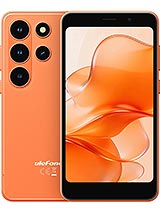
Note 22
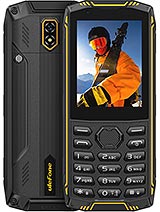
Armor Mini 5
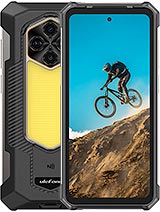
RugKing 5 Pro
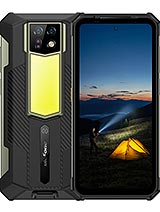
Armor 24 Pro
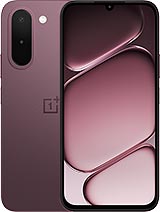
N6x