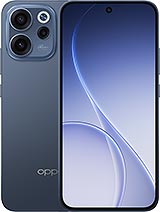
Sony Xperia 10 VIII review
The Xperia 10 VIII suits someone who has had enough of 6.8-inch phones and bloated software, values endurance and water resistance, and does not need cutting-edge computational photography. Skip it if you demand fast charging, night-mode wizardry, or a more powerful chip for gaming.
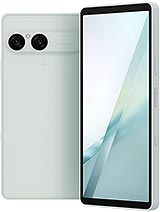
This review is written with AI assistance from Sony’s published specifications and public benchmark data for the Sony Xperia 10 VIII, and the rating is spec-based. GoSolo does not physically test devices; where we estimate real-world behaviour such as battery life or charge time, we say so. How we rate phones.
Overview
The Xperia 10 VIII is a rare phone that actually makes you think about what midrange phones ought to be: lean on bloat, decent at photos, and small enough to pocket without drama. It is not a powerhouse, but it is built with taste, and for someone worn out by 6.8-inch slabs, it is worth the 600 EUR ask.
Design & build
At 153mm and 168g, the Xperia 10 VIII is small and light in a world of ever-bigger phones. The 8.3mm thickness feels refined, not skeletal, and the frame-and-back plastic keeps it practical. Glass front with Gorilla Glass Victus 2 is standard for the price tier; the plastic rear dodges the scratches that plague glossy flagships and makes the phone pleasant to hold daily. IP65/IP68 rating earns respect—you get both dust sealing and submersion to 1.5m, a mark of engineering that does not get shouted about nearly enough. The three colours are understated, and the whole thing reads as a phone built for use rather than Instagram.
Display
The 6.1-inch OLED screen at 1080×2340 (422 ppi) is the Xperia's calling card. OLED at this size and price is still unusual; most rivals lean on cheaper LCD to hit lower prices. The 120Hz refresh is smooth without being essential, and 1B colour depth means blacks are genuinely black. At 422 ppi, sharpness is adequate—not cutting-edge, but not noticeably soft in daily scrolling. The 19.5:9 aspect ratio is tall and narrow by modern standards, which frees more space for content and less room for fingerprints on the sides. HDR support adds texture to Netflix and YouTube. Gorilla Glass Victus 2 is competent protection for a midrange phone.
Performance
The Snapdragon 6 Gen 3 is an upper-midrange chip built for sustained work without thermal tantrums. The four Cortex-A78 cores at 2.4 GHz and four efficiency cores provide balance rather than peak speed; this is not a phone for mobile gaming at high frame rates or video rendering, but it will handle a day of email, maps, social media, and photography without stutter. Eight gigs of RAM is sufficient for task switching without reload hiccups. Storage is limited to 128GB onboard, but microSDXC expansion is there (via shared SIM slot, a minor inconvenience for dual-SIM users). UFS storage is standard for this class. In practical terms, expect a phone that stays responsive but does not compete with flagships in raw compute.
Software
Android 16 arrives fresh out of the box, and Sony promises four major OS updates and five years of security patches. That timeline is competitive for the midrange and shows Sony is not abandoning the phone after launch. Android on Sony devices tends to be close to stock—minimal bloat, clean icons, genuine ease of use. The lack of bloatware is a quiet strength in a market where many makers pre-load dozens of useless apps. No FM radio or IR blaster are minor cuts, but they do not harm a 2026 phone.
Camera
The 50MP main sensor with f/1.9, optical image stabilisation, and a 1/1.56-inch format is the star here. Real-world output should be bright and sharp in daylight and usable in dimmer rooms, where OIS steadies exposure without pushing ISO into the noise. The 13MP ultrawide at 123° and f/2.4 serves the sweep shots and group photos. Video maxes out at 4K/30fps, not the 8K or 60fps of flagships, but practical and smooth with gyro-EIS helping. The 8MP front camera is basic but adequate for video calls and selfies. Where this phone does not compete is low-light zoom and computational photography: rivals at this price now lean hard on night mode and AI upscaling. Sony has chosen traditional optics over software wizardry, which means cleaner but less artificial output—a trade-off that will suit some buyers and disappoint others who expect every phone to punch above its hardware.
Battery & charging
The 5000 mAh battery offers about 13.6 hours of active use, which translates to a full day of moderate use and a day and a bit if you are light-handed. That is solid endurance for a 6.1-inch OLED phone. The spec sheet does not list charging watts or speed, a glaring omission from Sony that makes it hard to judge how quick a full top-up is; at this price, rivals often hit 60W to 100W, so expect the Xperia 10 VIII to charge at a slower pace. USB Type-C 2.0 is the standard connector, and there is no mention of wireless charging, so wired juice only.
Value & verdict-context
At 600 EUR, the Xperia 10 VIII sits in contested midrange territory where specs alone do not tell the story. A 6.1-inch OLED phone with IP65/IP68, light weight, and long battery life is not common at this price. The Snapdragon 6 Gen 3 is not thrilling, but it is competent and reliable. The absence of charging specs and the lack of computational camera smarts are the real friction points—potential buyers deserve to know charge speed before they buy, and they should understand that night photography will not match AI-heavy rivals. The design and software are restrained, which will attract buyers tired of bloat and over-engineered interfaces. Sony has made a quiet, honest phone for people who want a tool rather than a statement.
Verdict
The Xperia 10 VIII suits someone who has had enough of 6.8-inch phones and bloated software, values endurance and water resistance, and does not need cutting-edge computational photography. Skip it if you demand fast charging, night-mode wizardry, or a more powerful chip for gaming.
- OLED display at 6.1 inches for 600 EUR is uncommon; most rivals stick to cheaper LCD at this price
- Light (168g) and thin (8.3mm) design makes it actually pocketable, with a narrow 19.5:9 ratio that does not sacrifice screen real estate
- IP65/IP68 rating includes full submersion to 1.5m—better than rivals that offer splash resistance only
- Four major OS updates and five-year security patches show Sony is backing the device, not abandoning it at launch
- Charging specs are not listed, leaving buyers guessing on speed—a major omission at this price point
- Camera relies on hardware optics rather than AI night mode, so low-light and zoomed shots will lag rivals in computational photography
- No charging speed or wireless charging; USB Type-C 2.0 is slower than the current norm
Sony Xperia 10 VIII Key Specifications
The essentials at a glance. See the full spec sheet.
| Released | 2026, August 25 |
|---|---|
| Display | 6.1 inches, 91.3 cm2 (~82.9% screen-to-body ratio), OLED, 1B colors, 120Hz, HDR |
| Resolution | 1080 x 2340 pixels, 19.5:9 ratio (~422 ppi density) |
| Chipset | Qualcomm SM6475-AB Snapdragon 6 Gen 3 (4 nm) |
| RAM & storage | 128GB 8GB RAM |
| Main camera | 50 MP, f/1.9, 24mm (wide), 1/1.56", PDAF, OIS 13 MP, f/2.4, 16mm, 123˚ (ultrawide), 1/3.0" |
| Selfie camera | 8 MP, f/2.0, 26mm (wide), 1/4.0", 1.12µm |
| Battery | 5000 mAh |
| Software | Android 16, up to 4 major OS updates |
| Dimensions | 153 x 72 x 8.3 mm (6.02 x 2.83 x 0.33 in) |
| Weight | 168 g (5.93 oz) |
| Build | Glass front (Gorilla Glass Victus 2), plastic frame, plastic back |
| Durability | IP65/IP68 dust tight and water resistant (low pressure water jets; immersible up to 1.5m for 30 min) |
| Network | GSM / HSPA / LTE / 5G |
| NFC | Yes |
| USB | USB Type-C 2.0, OTG |
Sony Xperia 10 VIII FAQ
Common questions, answered from the spec sheet.
Does the Xperia 10 VIII support 5G?
Yes. The Xperia 10 VIII supports 5G networks.
What chipset does the Xperia 10 VIII use?
The Xperia 10 VIII runs on the Qualcomm SM6475-AB Snapdragon 6 Gen 3 (4 nm).
What display does the Xperia 10 VIII have?
A 6.1 inches, 91.3 cm2 (~82.9% screen-to-body ratio) OLED, 1B colors, 120Hz, HDR, 1080 x 2340 pixels, 19.5:9 ratio (~422 ppi density).
How big is the Xperia 10 VIII battery?
The Xperia 10 VIII has a 5000 mAh battery.
Does the Xperia 10 VIII have NFC?
Yes, the Xperia 10 VIII has NFC.
Is the Xperia 10 VIII water resistant?
The Xperia 10 VIII carries a IP65/IP68 dust tight and water resistant (low pressure water jets; immersible up to 1.5m for 30 min) rating.
Does the Xperia 10 VIII support a microSD card?
Yes, the Xperia 10 VIII supports expandable storage (microSDXC (uses shared SIM slot)).
Alternatives to consider
If the Xperia 10 VIII isn’t quite right, these are the closest calls.
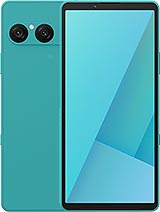
Xperia 10 VII
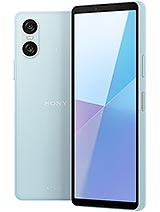
Xperia 10 VI
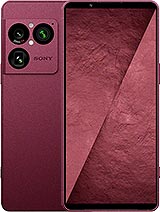
Xperia 1 VIII
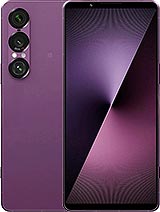
Xperia 1 VII
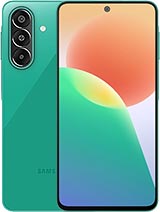
Galaxy F70 Pro