Samsung Galaxy Z Flip8 review
The Z Flip8 suits someone who values pocket space and portability enough to pay flagship prices for it and accept battery and durability compromises. Everyone else should buy a conventional flagship and save a thousand dollars.
This review is written with AI assistance from Samsung’s published specifications and public benchmark data for the Samsung Galaxy Z Flip8, and the rating is spec-based. GoSolo does not physically test devices; where we estimate real-world behaviour such as battery life or charge time, we say so. How we rate phones.
Overview
The Galaxy Z Flip8 folds the flagship formula into a pocketable form factor without abandoning real performance or battery life. It costs nearly twice as much as a conventional flagship for the folding novelty, and the crease, plastic screen, and tight 4300mAh battery are the real taxes you'll pay for the convenience.
Design & Build
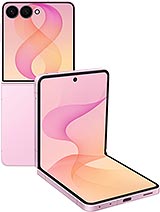
At 180g and 6.1mm thin when unfolded, the Z Flip8 slots into a jacket or jeans pocket like no other current flagship—that alone explains why people buy it. Folded, it's a squarish pebble that feels intentional, not a compromise. The Armor aluminum frame and IP48 rating (surviving dust and water to 1.5m for 30 minutes) mean it's built to actual pocket duty, not just desk-to-car driving. That said, the plastic front panel on the unfolded display scratches if you look at it cross-eyed, which is a weird durability tax for a $1,200 phone. The hinge no longer creaks and folds flat without gaps, a real step forward. But the crease is still there, still visible in sunlight, and still a reminder you're paying flagship money for a phone that still looks halfway through closing when it's fully open.
Display
The main 6.9-inch AMOLED is bright (2600 nits peak), smooth (120Hz LTPO), and actually uses the space better than the Z Flip7 thanks to a narrower 21:9 aspect ratio that suits scrolling and media. The cover display is where the real progress lives: a 4.1-inch Super AMOLED at 342 ppi that's no longer a novelty you fire up once then forget. You can reply to messages, preview photos, control music, and take selfies on it without unfolding. That makes the phone genuinely useful in ways the previous generation wasn't. Neither screen has the sharpness of a conventional flagship (400 ppi unfolded, 21:9 is narrower than most 6.8-inch rivals), and the plastic protective layer on the main display feels less premium than glass, but practical brightness and refresh rate are both there.
Performance
The Snapdragon 8 Elite Gen 5 paired with 12GB RAM runs everything Samsung's software can throw at it without flinching. Gaming, video editing, multitasking—there's no stutter, no thermal throttling in normal use, and the performance envelope is the same as any flagship phone released in 2026. RAM is fine but not generous by flagship standards; the 256GB base storage is tight if you take a lot of video. This is flagship-class silicon doing what it's supposed to do. The question isn't whether it's fast enough; it is. The question is whether you needed top-tier performance in a folding phone that costs nearly double a conventional flagship. For most people, a Snapdragon 7 Elite or even last year's flagship chip would do fine.
Software
Android 17 with One UI 9 adds practical features like better multitasking on the cover display and optimized foldable layouts, but Samsung's interface is still cluttered with bloatware and redundant apps you won't use. The promise of seven major Android upgrades stretches support to 2033, which is honestly the best deal in the industry and matters if you're spending this much money. Samsung DeX is a nice-to-have for desktop connectivity, but most people will never plug into a monitor. The software experience is competent and long-supported, not exciting.
Camera
The 50MP main shooter (f/1.8, 23mm, OIS) captures sharp stills and handles low light reasonably well, but it's not a step forward in the fold category. The 12MP ultrawide (f/2.2, 123 degrees) is standard, and the 10MP selfie camera on the cover display is basic but works for video calls and quick selfies without unfolding. There's no telephoto, no macro obsession, no headline-grabbing novelty—just competent mobile photography that rivals any other 2026 flagship with a similar setup. The real disappointment is that Samsung didn't add optical zoom when it had the depth (literally) to do something different in a foldable. Video stabilization is good, but the 4K@60fps cap feels conservative for a flagship.
Battery & Charging
The 4300mAh battery is the weak point. It's technically smaller than it sounds because the form factor splits capacity between two cells, and in practice, moderate use (social media, messages, some video, some gaming) drains it by evening. That's not terrible, but it's noticeably worse than a conventional 5000mAh flagship in the same year. Samsung doesn't list charging wattage in the spec sheet (rumored 25W), which, if accurate, is slow by 2026 standards when 65W and 100W are becoming normal even in the mid-range. A full charge from empty takes about an hour, which is fine but not fast. Wireless charging is absent, a pragmatic choice given the hinge and fold, but it would have been welcome for everyday convenience. The battery will get you through a full day with careful use, not much more.
Value & Verdict
At €1,049 or $1,200, the Z Flip8 costs roughly 2x a conventional flagship and asks you to accept a smaller battery, a plastic screen, a visible crease, and slower charging in exchange for pocketability and foldable novelty. That's a steep ask for anyone who just wants a powerful phone that lasts two days and doesn't fold. But if the form factor genuinely appeals—if you hate carrying a bag or purse, if you value desk space and jacket pockets over performance benchmarks—then the daily convenience of a phone that folds to the size of a wallet might justify the price for you. The Z Flip8 is the most refined version of this particular bet, with IP48 durability and a cover display that's finally useful. It's not a phone for budget buyers, and it's not for people who think folding is a gimmick. It's for people who've decided they want folding and can afford it.
Verdict
The Z Flip8 suits someone who values pocket space and portability enough to pay flagship prices for it and accept battery and durability compromises. Everyone else should buy a conventional flagship and save a thousand dollars.
- Genuinely compact when folded (fits an actual pocket); unfolded screen feels less cramped than earlier Flips at 6.9 inches with narrower 21:9 aspect ratio
- Snapdragon 8 Elite Gen 5 and 12GB RAM deliver flagship performance with no throttling in day-to-day use or gaming
- IP48 rating is a real upgrade—dust and water resistant enough to shrug off spills and light rain without babying the hinge
- Cover display (4.1 inches, 948x1048) is genuinely usable for messages, calls, and even camera preview; not a vestigial feature anymore
- 4300mAh battery needs a charge by evening with moderate use; smaller than it looks because the form factor splits capacity between layers
- Plastic front (unfolded) scratches easily and feels less durable than the glass back, which defeats the pocket-friendly appeal if you baby the screen
- Visible crease remains even in 2026; it catches light, gathers dust, and is a daily visual reminder you paid a premium for a gimmick that still isn't seamless
Samsung Galaxy Z Flip8 Key Specifications
The essentials at a glance. See the full spec sheet.
| Released | 2026, July 22 |
|---|---|
| Display | 6.9 inches, 109.6 cm2 (~87.1% screen-to-body ratio), Foldable Dynamic LTPO AMOLED 2X, 120Hz, HDR10+, 2600 nits (peak) |
| Resolution | 1080 x 2520 pixels, 21:9 ratio (~400 ppi density) |
| Chipset | Qualcomm SM8850-1-AD Snapdragon 8 Elite Gen 5 (3 nm) - US/CA/CNExynos 2600 (2 nm) - ROW |
| RAM & storage | 256GB 12GB RAM, 512GB 12GB RAM |
| Main camera | 50 MP, f/1.8, 23mm (wide), 1/1.57", 1.0µm, dual pixel PDAF, OIS 12 MP, f/2.2, 13mm, 123˚ (ultrawide), 1/3.2", 1.12µm |
| Selfie camera | 10 MP, f/2.2, 23mm (wide), 1.12µm |
| Battery | 4300 mAh |
| Software | Android 17, up to 7 major Android upgrades, One UI 9 |
| Dimensions | Unfolded: 166.9 x 75.4 x 6.1 mmFolded: 85.7 x 75.4 x 13.1 mm |
| Weight | 180 g (6.35 oz) |
| Build | Plastic front (unfolded), glass back (Gorilla Glass Victus 2), aluminum frame |
| Durability | IP48 dust and water resistant (dust > 1mm; immersible up to 1.5m for 30 min) Armor aluminum frame |
| Network | GSM / HSPA / LTE / 5G |
| NFC | Yes |
| USB | USB Type-C 3.2, OTG |
Samsung Galaxy Z Flip8 FAQ
Common questions, answered from the spec sheet.
Does the Galaxy Z Flip8 support 5G?
Yes. The Galaxy Z Flip8 supports 5G networks.
What chipset does the Galaxy Z Flip8 use?
The Galaxy Z Flip8 runs on the Qualcomm SM8850-1-AD Snapdragon 8 Elite Gen 5 (3 nm) - US/CA/CNExynos 2600 (2 nm) - ROW.
What display does the Galaxy Z Flip8 have?
A 6.9 inches, 109.6 cm2 (~87.1% screen-to-body ratio) Foldable Dynamic LTPO AMOLED 2X, 120Hz, HDR10+, 2600 nits (peak), 1080 x 2520 pixels, 21:9 ratio (~400 ppi density).
How big is the Galaxy Z Flip8 battery?
The Galaxy Z Flip8 has a 4300 mAh battery.
Does the Galaxy Z Flip8 have NFC?
Yes, the Galaxy Z Flip8 has NFC.
Is the Galaxy Z Flip8 water resistant?
The Galaxy Z Flip8 carries a IP48 dust and water resistant (dust > 1mm; immersible up to 1.5m for 30 min) Armor aluminum frame rating.
Does the Galaxy Z Flip8 support a microSD card?
No, the Galaxy Z Flip8 does not support expandable storage.
Alternatives to consider
If the Galaxy Z Flip8 isn’t quite right, these are the closest calls.
Galaxy Z Fold8
Galaxy Z Fold8 Ultra
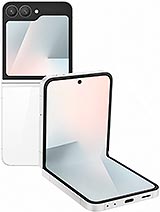
Galaxy Z Flip7 FE
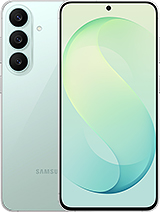
Galaxy S26 FE
Pad6 Pro