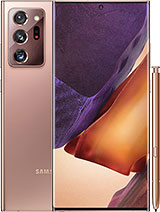
Samsung Galaxy Note20 Ultra 5G review
Buy this if you need a stylus for work or study, or if the 5x zoom and 108MP sensor matter for your photography—the price is right for professionals. Skip it if you want current performance, fast charging, or a lighter phone to carry all day.
This review is written with AI assistance from Samsung’s published specifications and public benchmark data for the Samsung Galaxy Note20 Ultra 5G, and the rating is spec-based. GoSolo does not physically test devices; where we estimate real-world behaviour such as battery life or charge time, we say so. How we rate phones.
Overview
The Note20 Ultra is built for professionals who need a stylus, zoom camera, and large screen—it delivered that in 2020. Today it feels heavy, the processor has aged, and the charging speed trails current midrange phones, but the 108MP main camera and robust build still justify keeping one longer than most flagships.
Design & Build
At 208 grams, this phone is a brick. The weight is the first thing you feel, and it doesn't improve with time—it just tires your hand and wrist with extended use. That said, the stainless steel frame and Gorilla Glass Victus on both front and back are genuinely solid. IP68 submersion to 1.5 meters for 30 minutes is a useful safety net for accidents, and the phone has earned a reputation for surviving years of daily work. The 8.1mm thickness feels substantial in a good way; nothing flexes or creaks. However, the heft and the legacy of an all-glass back mean you probably need a case, defeating some of the visual appeal Samsung clearly chased with the Mystic Bronze finish.
Display
The 6.9-inch Dynamic AMOLED 2X panel is still excellent. At 1440 by 3088 pixels (496 ppi), text is sharp enough that reading all day does not strain the eye, and the 120Hz refresh rate keeps scrolling through feeds and documents smooth. HDR10+ support means video content pops, and the 91.7% screen-to-body ratio leaves little bezel clutter. For a 2020 flagship, this display aged well. It trades pixel density against screen real estate, which favors editing photos and notes in Samsung Notes. Colors lean slightly saturated out of the box, but One UI's display settings let you dial that down. The only honest miss is that the 120Hz kicks down to 60Hz when you switch from FHD to QHD resolution, a power trade-off that was controversial at launch and feels dated now.
Performance
The Exynos 990 and Snapdragon 865 are not slow, but they are not current either. Apps launch without stuttering, and switching between tasks happens without pause. Gaming at medium settings runs at 30fps smoothly enough, though high settings in demanding titles cause framerate dips that a 2024 flagship would handle without breaking stride. One UI 5 (Android 13) runs smoothly on top of either chip, and the phone remains responsive for productivity work—email, documents, and web browsing do not expose any lag. The real issue emerges over time: the chipset feels behind when you compare side-by-side performance in multithreaded work like video encoding or heavy AR apps. For a business phone that handles email, calls, and the occasional web task, it is fine. For anyone thinking of using this for years, the performance gap against current flagships will become apparent by 2025 onward.
Camera
The 108MP main sensor with optical image stabilization is the heart of this phone. In daylight, it captures sharp, detailed photos with excellent color accuracy and pleasing bokeh. The 1/1.33-inch sensor and f/1.8 aperture gather plenty of light, so low-light shots come out with less noise than you would expect. What sets this phone apart is the 5x periscope telephoto lens at 120mm equivalent—it lets you frame distant subjects without digital cropping, and optical stabilization keeps the view steady. The 50x hybrid zoom trades resolution for reach, which is more novelty than utility. The 12MP ultrawide is unremarkable, with the typical bulbous distortion at the edges. Video recording tops out at 8K/24fps, which sounds impressive until you realize 8K files consume storage and need serious post-production workflows to be practical. 4K/60fps is more useful and looks detailed enough for social media or YouTube. The 10MP selfie camera with dual pixel autofocus handles video calls and selfies competently, though it feels basic now that others are pushing higher resolutions and ultrawide on the front.
Battery & Charging
The 4500mAh battery with that massive AMOLED screen yields about 15 to 18 hours of mixed use—enough for a full work day if you are not heavy on video or gaming, but not enough to comfortably skip a day of charging. Heavy users will hit the outlet by evening. The 25W wired charger fills the battery in roughly 60 to 90 minutes, which felt adequate in 2020 and feels slow now. Midrange phones routinely hit 60W to 100W, so waiting 90 minutes while a competitor's phone charges in half that time becomes frustrating. Wireless charging at 15W and reverse wireless charging round out the feature set but are too slow for daily use—they suit overnight charging or emergencies. The battery itself shows the age of the phone; similar-capacity batteries in 2024 phones run longer due to efficiency gains, so the Note20 Ultra will not make it as far on a single charge against modern rivals.
Software & Stylus
One UI 5 on Android 13 is Samsung's polished take on the platform. It feels refined and offers plenty of customization without the clutter of less mature skins. The big pull here is the stylus: the included S Pen with 9ms latency and Bluetooth integration makes handwriting and precision work on the 6.9-inch canvas genuinely usable. Samsung Notes is the standout app—writing feels natural, and the performance gap between this and generic stylus experiences is noticeable. No other brand at this price tier ships a stylus with a phone that feels this mature. Updates should carry the phone through to 2026, with security patches likely to follow for another year or two. The risk is that Samsung has already shipped this hardware; don't expect major feature pushes or performance tweaks that would make it feel current again.
Value & Verdict
At the current price around $300 to $560 depending on region and storage, this is an older flagship fighting for relevance. The stylus is priceless for professionals or students who take handwritten notes at scale. The 108MP camera is a genuine asset for photography enthusiasts or content creators who value zoom and detail. The large screen and robust build suit anyone who treats a phone like a work tool rather than a fashion statement. However, the weight is a daily reminder that this is 2020-era hardware, the charging speed feels sluggish against phones half the price today, and the processor, while adequate, will start to show real age in 2025. If you can accept that you are buying a proven design that has already peaked, and you have a specific need for the stylus or zoom camera, this remains a solid long-term phone. If you want the latest performance and charging speeds, look elsewhere.
Verdict
Buy this if you need a stylus for work or study, or if the 5x zoom and 108MP sensor matter for your photography—the price is right for professionals. Skip it if you want current performance, fast charging, or a lighter phone to carry all day.
- 108MP main sensor with optical stabilization and the 5x periscope telephoto let you capture detail and zoom without stepping closer, a real advantage for photography over generic phones
- 6.9-inch 1440p 120Hz AMOLED screen is still excellent for media and note-taking, with sharp text and smooth scrolling
- Included stylus with 9ms latency makes this the only game in Samsung's range for handwriting and precision work—no flagship alternative exists at this price tier
- IP68 rating, Gorilla Glass Victus on both faces, and stainless steel frame hold up to daily use and drops better than most phones from this era
- 208 grams is genuinely heavy; feels substantial in the hand and tiring in a pocket over hours, unlike lighter 2024 flagships
- 25W charging is slow now—rivals and midrange phones routinely hit 60W to 100W, meaning 60 to 90 minutes to full versus 30 to 40 for current competition
- Exynos 990 and Snapdragon 865 are 2020 processors; they still run apps smoothly but struggle at high settings in demanding games and feel dated against current chips by a noticeable margin
Samsung Galaxy Note20 Ultra 5G Key Specifications
The essentials at a glance. See the full spec sheet.
| Released | 2020, August 05 |
|---|---|
| Display | 6.9 inches, 116.7 cm2 (~91.7% screen-to-body ratio), Dynamic AMOLED 2X, 120Hz, HDR10+ |
| Resolution | 1440 x 3088 pixels, 19.3:9 ratio (~496 ppi density) |
| Chipset | Exynos 990 (7 nm+) - GlobalQualcomm SM8250 Snapdragon 865 5G+ (7 nm+) - USA |
| RAM & storage | 128GB 6GB RAM, 128GB 8GB RAM, 128GB 12GB RAM, 256GB 8GB RAM, 256GB 12GB RAM, 512GB 12GB RAM |
| Main camera | 108 MP, f/1.8, 26mm (wide), 1/1.33", 0.8µm, PDAF, OIS 12 MP, f/3.0, 120mm (periscope telephoto), 1.0µm, PDAF, OIS, 5x optical zoom, 50x hybrid zoom 12 MP, f/2.2, 120˚, 13mm (ultrawide), 1/2.55", 1.4µm |
| Selfie camera | 10 MP, f/2.2, 26mm (wide), 1/3.2", 1.22µm, dual pixel PDAF |
| Battery | 4500 mAh |
| Charging | 25W wired, PD3.015W wireless (Qi)4.5W reverse wireless |
| Software | Android 10, upgradable to Android 13, One UI 5 |
| Dimensions | 164.8 x 77.2 x 8.1 mm (6.49 x 3.04 x 0.32 in) |
| Weight | 208 g (7.34 oz) |
| Build | Glass front (Gorilla Glass Victus), glass back (Gorilla Glass Victus), stainless steel frame |
| Durability | IP68 dust tight and water resistant (immersible up to 1.5m for 30 min) Stylus, 9ms latency (Bluetooth integration, accelerometer, gyro) |
| Network | GSM / CDMA / HSPA / EVDO / LTE / 5G |
| NFC | Yes |
| USB | USB Type-C 3.2, OTG |
Samsung Galaxy Note20 Ultra 5G FAQ
Common questions, answered from the spec sheet.
Does the Galaxy Note20 Ultra 5G support 5G?
Yes. The Galaxy Note20 Ultra 5G supports 5G networks.
What chipset does the Galaxy Note20 Ultra 5G use?
The Galaxy Note20 Ultra 5G runs on the Exynos 990 (7 nm+) - GlobalQualcomm SM8250 Snapdragon 865 5G+ (7 nm+) - USA.
What display does the Galaxy Note20 Ultra 5G have?
A 6.9 inches, 116.7 cm2 (~91.7% screen-to-body ratio) Dynamic AMOLED 2X, 120Hz, HDR10+, 1440 x 3088 pixels, 19.3:9 ratio (~496 ppi density).
How big is the Galaxy Note20 Ultra 5G battery?
The Galaxy Note20 Ultra 5G has a 4500 mAh battery. Charging is rated at 25W wired, PD3.015W wireless (Qi)4.5W reverse wireless.
Does the Galaxy Note20 Ultra 5G have NFC?
Yes, the Galaxy Note20 Ultra 5G has NFC.
Is the Galaxy Note20 Ultra 5G water resistant?
The Galaxy Note20 Ultra 5G carries a IP68 dust tight and water resistant (immersible up to 1.5m for 30 min) Stylus, 9ms latency (Bluetooth integration, accelerometer, gyro) rating.
Does the Galaxy Note20 Ultra 5G support a microSD card?
Yes, the Galaxy Note20 Ultra 5G supports expandable storage (microSDXC (uses shared SIM slot)).
Does the Galaxy Note20 Ultra 5G have a headphone jack?
No, the Galaxy Note20 Ultra 5G does not have a 3.5mm headphone jack.
Alternatives to consider
If the Galaxy Note20 Ultra 5G isn’t quite right, these are the closest calls.
Galaxy Note 20 Ultra
Galaxy Note20 Ultra
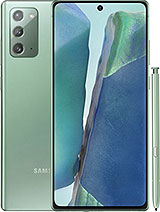
Galaxy Note20 5G
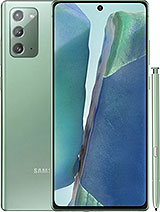
Galaxy Note20
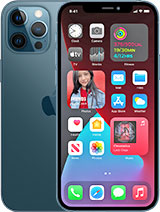
iPhone 12 Pro Max