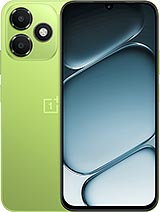
Realme Narzo 80 Lite review
The Narzo 80 Lite suits buyers in cost-sensitive markets who prioritize a phone that lasts a full day and does not clutter their life with bloat; it is a no-frills device that does what it promises. Anyone expecting sharp display clarity, fast charging, or gaming capability should look at competitors offering 720p on smaller screens or stepping up to a slightly pricier phone with a modern chip and faster charging.
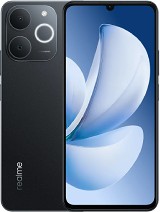
This review is written with AI assistance from Realme’s published specifications and public benchmark data for the Realme Narzo 80 Lite, and the rating is spec-based. GoSolo does not physically test devices; where we estimate real-world behaviour such as battery life or charge time, we say so. How we rate phones.
Overview
The Narzo 80 Lite is a budget phone built for light users who value endurance over everything else: its 6300 mAh battery and frugal chip deliver a full day with a single charge, but the 720p screen and glacial 15W charging reveal where corners were cut. It is a no-nonsense device with no real surprises, good or bad.
Design & build
At 201 grams and 7.9 mm thick, the Narzo 80 Lite is a comfortable, pocket-friendly slab that feels plasticky but solid enough. The glass front and plastic back will pick up fingerprints, and the IP54 rating means it shrugs off dust and water splashes but won't survive a pool dunk. For a device at this price—and in a market where durability is a selling point to buyers who can't afford annual upgrades—the build is adequate. The side-mounted fingerprint sensor is responsive and a step above the older capacitive rear sensors you still see in this segment.
Display
The 6.74-inch LCD is large enough to notice, but its 720p resolution is a genuine compromise. At 260 ppi, text and icons look visibly pixelated when held at arm's length, and anyone coming from a modern phone will wince at the softness. The 90Hz refresh helps scrolling feel smooth, which masks some of that low-res feel in everyday use, but brightness peaks at 563 nits—decent indoors but you will struggle in direct sunlight without angling the phone. For watching video or reading, the screen does its job; for anyone expecting sharp, clear output at this size, it falls short of what rivals are shipping now.
Performance
The Unisoc T7250 is an entry-level chip designed to keep costs down, not to impress. It handles messaging, social media, streaming, and light web use without lag, and the 4GB or 6GB RAM (depending on storage tier) is enough for daily multitasking. Heavier 3D games will stutter or need graphics turned way down; if you plan to game seriously, look elsewhere. Day-to-day performance is fine, but there is no headroom for anything demanding, and this is not a phone that will feel snappy two years from now.
Software
Realme UI 5.0 on top of Android 15 is bloat-light and responsive on this chip. The interface is clean, notifications work, and there is a decent suite of built-in apps without too much junk competing for your attention. Realme has a middling track record for software updates on budget phones, so do not expect years of guaranteed patches; for a device at this price, that is standard, but it is worth knowing.
Camera
The 13 MP main camera with PDAF is capable of sharp midday shots, and the f/2.2 aperture lets in decent light for a budget phone. Low-light photos will be soft and noisy, and there is no zoom or ultrawide option to fall back on; you get what you shoot. The 5 MP selfie is forgettable, suitable for video calls but not for portrait shots. Overall, the camera is predictable for this price point—reliable in good light, mediocre elsewhere. Video tops out at 1080p 30fps, which is fine for casual clips but nothing to celebrate.
Battery & charging
The 6300 mAh battery is the real star here. In mixed use—social media, messaging, some video, light browsing—you will easily stretch a full day and possibly into a second. Heavy users will need to charge by evening, but for someone with moderate habits, this is a phone that will not die on you during a normal day. The downside is the 15W VOOC charging, which is glacial by current standards. A full charge from zero takes roughly 90 to 120 minutes, making an accidental battery drain during the day a genuine pain. Rivals in this price range have moved to 33W or faster; Realme's choice to stick with 15W is a trade-off that favors endurance over convenience.
Value & verdict
The Narzo 80 Lite is priced for markets where budget matters and upfront cost is the main factor. For the money, it delivers a phone that works all day, does not demand much, and will not surprise you. The screen resolution and charging speed are real compromises—ones you will notice every day—but if you are someone who charges overnight and does not demand sharp visuals, this phone gets out of your way. It is honest in what it is: no hype, no pretense, just endurance.
Verdict
The Narzo 80 Lite suits buyers in cost-sensitive markets who prioritize a phone that lasts a full day and does not clutter their life with bloat; it is a no-frills device that does what it promises. Anyone expecting sharp display clarity, fast charging, or gaming capability should look at competitors offering 720p on smaller screens or stepping up to a slightly pricier phone with a modern chip and faster charging.
- 6300 mAh battery pushes a full day of mixed use without breaking a sweat, a genuine advantage in this category
- 90Hz LCD makes scrolling and animations feel smooth despite the low resolution
- Dedicated microSDXC slot lets you expand storage without sacrificing dual SIM support
- IP54 dust and splash resistance plus MIL-STD-810H compliance for a device at this price level
- 720p resolution on a 6.74-inch screen results in visibly soft text and icons; a steep trade-off at a time when rivals are offering 720p on 6.5 inches or FHD on larger screens
- 15W charging is painfully slow by 2025 standards—full charge takes 90–120 minutes, making midday battery deaths a real inconvenience
- Entry-level Unisoc T7250 has no headroom for gaming or heavy multitasking; performance will feel dated within a year or two
Realme Narzo 80 Lite Key Specifications
The essentials at a glance. See the full spec sheet.
| Released | 2025, July 23 |
|---|---|
| Display | 6.74 inches, 109.7 cm2 (~85.6% screen-to-body ratio), LCD, 90Hz, 563 nits |
| Resolution | 720 x 1600 pixels, 20:9 ratio (~260 ppi density) |
| Chipset | Unisoc T7250 (12 nm) |
| RAM & storage | 64GB 4GB RAM, 128GB 6GB RAM |
| Main camera | 13 MP, f/2.2, 27mm (wide), PDAF |
| Selfie camera | 5 MP, 27mm (wide) |
| Battery | 6300 mAh |
| Charging | VOOC up to 15 W |
| Software | Android 15, Realme UI 5.0 |
| Dimensions | 167.2 x 76.6 x 7.9 mm (6.58 x 3.02 x 0.31 in) |
| Weight | 201 g (7.09 oz) |
| Build | Glass front (Panda Glass), plastic frame, plastic back |
| Durability | IP54 dust protected and water resistant (water splashes) MIL-STD-810H compliant* * does not guarantee ruggedness or use in extreme conditions |
| Network | GSM / HSPA / LTE |
| NFC | No |
| USB | USB Type-C 2.0 |
Realme Narzo 80 Lite FAQ
Common questions, answered from the spec sheet.
Does the Narzo 80 Lite support 5G?
No. The Narzo 80 Lite tops out at GSM / HSPA / LTE, without 5G.
What chipset does the Narzo 80 Lite use?
The Narzo 80 Lite runs on the Unisoc T7250 (12 nm).
What display does the Narzo 80 Lite have?
A 6.74 inches, 109.7 cm2 (~85.6% screen-to-body ratio) LCD, 90Hz, 563 nits, 720 x 1600 pixels, 20:9 ratio (~260 ppi density).
How big is the Narzo 80 Lite battery?
The Narzo 80 Lite has a 6300 mAh battery. Charging is rated at VOOC up to 15 W.
Does the Narzo 80 Lite have NFC?
No, the Narzo 80 Lite does not list NFC support.
Is the Narzo 80 Lite water resistant?
The Narzo 80 Lite carries a IP54 dust protected and water resistant (water splashes) MIL-STD-810H compliant* * does not guarantee ruggedness or use in extreme conditions rating.
Does the Narzo 80 Lite support a microSD card?
Yes, the Narzo 80 Lite supports expandable storage (microSDXC (dedicated slot)).
Alternatives to consider
If the Narzo 80 Lite isn’t quite right, these are the closest calls.

Narzo 80 Lite 5G
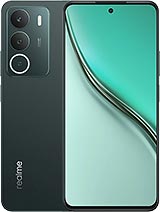
P3 Lite 4G
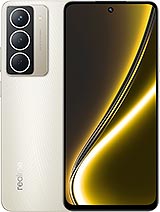
Narzo 80x 5G
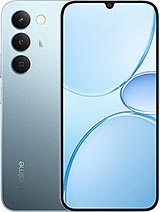
Narzo 100 Lite
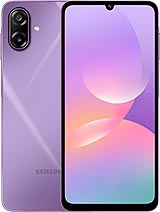
Galaxy M17e