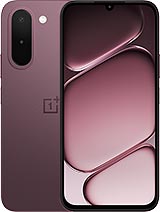
Oukitel C62 GT review
The Oukitel C62 GT suits only those drawn to the dual-screen gimmick and willing to tolerate a slow chipset and soft display in exchange. Anyone who prioritizes day-to-day speed, photo quality, or a usable display should look at a conventional budget phone from the same price range instead.
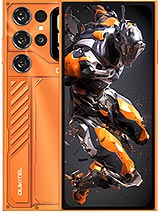
This review is written with AI assistance from Oukitel’s published specifications and public benchmark data for the Oukitel C62 GT, and the rating is spec-based. GoSolo does not physically test devices; where we estimate real-world behaviour such as battery life or charge time, we say so. How we rate phones.
Overview
The Oukitel C62 GT is a budget dual-screen phone with a 6.88-inch main display and a small rear secondary screen, aimed at users who want novelty over performance. It trades practicality for gimmick: the rear display is too small to be useful, the Unisoc T615 is entry-level and sluggish, and the cameras are weak, making this an awkward phone that doesn't excel at anything.
Design & build
The C62 GT is slim at 9.5mm and light enough at 220g, with a tall 6.88-inch body that narrows the phone relative to its length. Gorilla Glass 5 on the front is standard for the price. The gimmick here is the rear secondary display—a tiny 1.81-inch screen that occupies the back. In theory, it shows notifications, time, and photos without waking the main screen. In practice, the 240 x 284 pixel resolution is too small and low-density to read without squinting, and you will forget it is there most of the time. It adds weight and complexity without solving any real problem; it is design novelty, not design sense.
Display
The 6.88-inch main screen is IPS LCD at 720p resolution—a tall and narrow aspect ratio that trades pixel density (260 ppi) for vertical stretch. At this resolution and size, text and images look soft and details blur slightly, especially if you scroll fine-grained content like spreadsheets or maps. 90Hz refresh helps scrolling feel smoother than a 60Hz panel would, but it cannot hide the fundamental resolution shortage. 450 nits brightness is adequate for daylight, though not standout. For a 2026 budget phone, 720p at this size is visibly behind rivals offering 1080p at similar prices.
Performance
The Unisoc T615 is entry-level silicon, and it shows. The octa-core CPU with two 1.8 GHz Cortex-A75 cores and six 1.6 GHz Cortex-A55 cores is slow for real-world use; apps open with noticeable lag, jumping between tasks causes stutter, and any graphically demanding app or game will crawl. The Mali-G57 MP1 GPU is a single core—fine for 2D, but 3D performance is absent. This is the chipset you find in phones costing $60 to $100; Oukitel is asking more, which makes the performance feel like a step back compared to budget rivals at the same price with MediaTek Helio or Snapdragon variants. With 4GB or 8GB RAM, the phone can handle basic tasks like messaging, calling, and light web browsing, but do not expect fluid everyday use.
Software
Android 16 ships with minimal bloatware, which is a bright spot. The OS itself is responsive enough given the hardware limits, and updates should arrive on a reasonable schedule for an Oukitel device. The side-mounted fingerprint sensor is convenient and reliable. However, software cannot overcome a weak chip; the phone will feel slow no matter how clean the OS is.
Camera
The 13MP main camera with f/2.2 aperture and phase-detect autofocus sounds adequate on spec, but results are disappointing. The 1/3.06-inch sensor is small, so low-light detail is lost and color accuracy is flat. LED flash helps in darkness, but adds harsh shadows. The 5MP selfie is basic, and video caps out at 1080p@30fps with no stabilization mentioned. For a 2026 phone, even budget ones offer better macro or ultra-wide options. This camera is functional but uninspiring; if you take photos regularly, you will feel the limitation.
Battery & charging
The 5150 mAh battery is large and suits the modest Unisoc chip well. With light to moderate use—messaging, social media, basic calls—expect a full day and into the evening before needing a charge. The spec sheet lists 10W charging, which is slow; most rivals at this price now hit 30W or higher, so a full charge from empty takes about three to four hours. If you are away from power all day, the big battery is a genuine win. If you rely on quick top-ups, you will be annoyed by the slow charging speed.
Value & verdict-context
The C62 GT is a curiosity: a dual-screen phone at a price where most buyers want straightforward, fast hardware. The rear screen is marketing theater; it does not enhance the phone, and many will never use it. The Unisoc T615 is underpowered, the 720p display is soft, and the cameras are mediocre. The battery is the strongest element. At this price point in 2026, rivals with MediaTek or entry-level Snapdragon chips run circles around this phone in speed and offer better displays, faster charging, and more reliable cameras. The C62 GT appeals to novelty seekers or buyers who do not mind slowness. For everyone else, a more conventional budget phone is the smarter choice.
Verdict
The Oukitel C62 GT suits only those drawn to the dual-screen gimmick and willing to tolerate a slow chipset and soft display in exchange. Anyone who prioritizes day-to-day speed, photo quality, or a usable display should look at a conventional budget phone from the same price range instead.
- Dual-screen novelty with rear secondary display for notifications and quick info without flipping the phone
- Tall 6.88-inch main screen and compact 9.5mm thickness strike a reasonable balance between reach and pocketability
- Large 5150 mAh battery gives a full day of use for light tasks on the Unisoc chipset
- Stock Android 16 with minimal bloat keeps the OS responsive relative to the weak hardware
- Unisoc T615 is slow and struggles with everyday apps; even light multitasking feels sluggish compared to budget rivals with MediaTek or Qualcomm chips
- The 1.81-inch rear display is too cramped to read comfortably or interact with meaningfully; it exists for spec-sheet appeal, not real usability
- Cameras are weak: 13MP main with f/2.2 aperture and no autofocus improvements, 5MP selfie, and 1080p video is a bare minimum for 2026
Oukitel C62 GT Key Specifications
The essentials at a glance. See the full spec sheet.
| Released | 2026 |
|---|---|
| Display | 6.88 inches, 112.4 cm2 (~82.7% screen-to-body ratio), IPS LCD, 90Hz, 450 nits |
| Resolution | 720 x 1640 pixels (~260 ppi density) |
| Chipset | Unisoc T615 (12 nm) |
| RAM & storage | 128GB 4GB RAM, 256GB 8GB RAM |
| Main camera | 13 MP, f/2.2, (wide), 1/3.06", AF |
| Selfie camera | 5 MP, f/2.2, (wide), 1/5.0" |
| Battery | 5150 mAh |
| Software | Android 16 |
| Dimensions | 170.7 x 79.6 x 9.5 mm (6.72 x 3.13 x 0.37 in) |
| Weight | 220 g (7.76 oz) |
| Network | GSM / HSPA / LTE |
| NFC | No |
| USB | USB Type-C 2.0, OTG |
Oukitel C62 GT FAQ
Common questions, answered from the spec sheet.
Does the C62 GT support 5G?
No. The C62 GT tops out at GSM / HSPA / LTE, without 5G.
What chipset does the C62 GT use?
The C62 GT runs on the Unisoc T615 (12 nm).
What display does the C62 GT have?
A 6.88 inches, 112.4 cm2 (~82.7% screen-to-body ratio) IPS LCD, 90Hz, 450 nits, 720 x 1640 pixels (~260 ppi density).
How big is the C62 GT battery?
The C62 GT has a 5150 mAh battery.
Does the C62 GT have NFC?
No, the C62 GT does not list NFC support.
Does the C62 GT support a microSD card?
Yes, the C62 GT supports expandable storage (microSDXC (uses shared SIM slot)).
Alternatives to consider
If the C62 GT isn’t quite right, these are the closest calls.
C26
C72
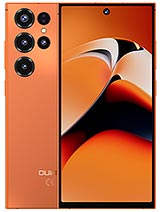
C67
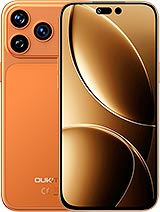
C17 Plus
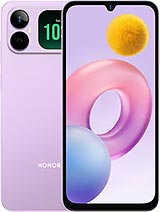
Play20A