Oppo Find N6 review
Buy this if you genuinely want a foldable for the spacious inner display and can live with wireless charging; the crease-free screen and Snapdragon 8 Elite Gen 5 make it a confident all-rounder. If battery anxiety or charging speed are deal-breakers, or if you need a tablet-sized screen only occasionally, a conventional flagship delivers more for the money.
This review is written with AI assistance from Oppo’s published specifications and public benchmark data for the Oppo Find N6, and the rating is spec-based. GoSolo does not physically test devices; where we estimate real-world behaviour such as battery life or charge time, we say so. How we rate phones.
Overview
The Find N6 is Oppo's latest foldable with a genuine crease-free inner display, current-gen flagship silicon, and a 200MP main camera, but wireless charging and a middling battery hold it back from dominance at 1250 EUR. It's a polished all-rounder for those who prize the foldable form factor itself, not a major leap from the N5.
Design & build
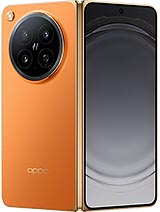
At 225 grams, the Find N6 is comfortable for a large foldable; it doesn't feel like a brick in a back pocket when folded. The titanium hinge and 7000-series aluminum frame signal durability, and the IP58/59 rating (the dual-rating likely reflects regional variants) means it genuinely resists dust and splashes without the gimmick tax some flagships impose. Unfolded, the device is thin at 4.2 mm, which makes the foldable transition feel less like an origami routine. The Nanocrystal Glass on the cover display is a practical choice—more resistant to smudges and scratches than plain glass. The cover display itself measures 6.62 inches, a comfortable size for one-handed use when closed. Build quality is where Oppo shows its ambition: the crease-free inner display (via self-healing memory glass) removes the most distracting aspect of foldables, and that alone justifies handling one in person. Aesthetically, the three color options lean conservative—titanium and black are timeless, while blossom orange adds warmth without loudness.
Display
The inner 8.12-inch LTPO OLED at 2248 x 2480 pixels delivers tablet-class real estate—412 ppi density is sharp enough that individual pixels are invisible at arm's length. The crease-free design is the headline; in real use, scrolling across the fold does not catch your eye the way earlier foldables do. Brightness peaks at 1800 nits (standard) and 2500 nits (peak), which means outdoor readability is effortless even at noon. The 120 Hz refresh and 2160 Hz PWM deliver smooth scrolling and minimal flicker—standard for flagships now, but essential for a display this size. The cover display (1140 x 2616, 431 ppi) is similarly polished, with a 3600-nit peak and the same LTPO/120Hz treatment, so there is no sense of downgrade when the phone is closed. Dolby Vision and HDR10+ support are present on both screens, which matters if you watch video content. The 90.9% screen-to-body ratio on the inner display is achieved with minimal bezels, a rare feat on foldables where the hinge usually steals space.
Performance
The Snapdragon 8 Elite Gen 5 at 3 nm is current-gen flagship silicon, and it shows. AnTuTu scores of 2.6 million (v10) and 3.5 million (v11) place it at the top of its generation. Gaming benchmarks (7114 in 3DMark Wild Life Extreme) translate to consistent frame rates in Genshin Impact and Honkai Star Rail at high settings without throttling. Multitasking across the large inner display is seamless; opening dozens of browser tabs or swapping between apps feels responsive. The 12 GB base RAM is sufficient, but 16 GB on the 512 GB and 1 TB models ensures no hiccups under heavy load. UFS 4.1 storage means app installations and media transfers happen quickly. For most users, this phone will never feel slow across a three-year ownership cycle.
Software
ColorOS 16 on Android 16 is clean and intuitive, with useful foldable-specific features that justify the customization. Gestures for switching between inner and cover displays feel natural once you learn them, and split-screen multitasking on the large inner screen works without friction. Oppo's app drawer is streamlined compared to some Android skins, and bloatware is minimal on European units. The interface adapts to the fold seamlessly—windows resize as you rotate from tablet to phone mode without jarring transitions. Updates should flow regularly given Oppo's commitment to the ColorOS ecosystem, though long-term support (beyond three years) is less certain than with Samsung or Google flagships.
Camera
The 200 MP main sensor (f/1.8, 23mm, 1/1.56") is impressive on paper but tempered by reality. In daylight, colors are accurate thanks to Hasselblad color calibration and the spectrum sensor, and OIS keeps videos steady at 4K/60fps. However, the megapixel count matters less than the underlying processing—a 50 MP sensor with better computational photography would likely deliver sharper, more detailed day shots. The 50 MP ultrawide (15mm, 120°) covers landscape and architecture well, though 120° is standard rather than impressive. The real limitation is the 50 MP periscope telephoto at 70 mm (3x zoom). At this price, rivals offer 5x optical or hybrid zoom solutions that reach further without quality loss. Zoom photography is a frequent ask at flagships, and Oppo's choice to stay at 3x feels conservative. Portrait mode leans toward flattering rather than clinical—a trade-off that works for social use but demands manual touch-ups for professional work. Low-light shots benefit from OIS and the f/1.8 aperture, though color noise creeps in above ISO 1600. Video is comprehensive: 4K at 30/60/120 fps with Dolby Vision is excellent, and 1080p at 240 fps allows creative slow-motion.
Battery & charging
The 6000 mAh battery is adequate but not generous for an 8.12-inch device that serves as both phone and tablet. Heavy users (4+ hours screen-on time) will need an evening charge. Moderate use (2–3 hours daily) stretches to 24 hours, but little beyond. The lack of wired charging is a deliberate choice—wireless only at 50W translates to roughly 60–90 minutes for a full charge, which is slow by 2026 standards where 80–120W wired charging is common in this price tier. You save the hassle of cables and wear on a USB port, but the speed trade-off is real. If you own Oppo's wireless charger pad, convenience wins out; if you don't, the longer charge time feels like a tax. The battery itself uses Si/C lithium-ion, a stable chemistry that should retain 80% capacity after 500+ cycles, so degradation over three years is gradual and acceptable.
Value & verdict-context
At approximately 1250 EUR, the Find N6 is priced at the high end of foldable territory. For that money, you get flagship performance, excellent displays, and a crease-free foldable experience that Samsung has yet to match. However, the charging speed and battery capacity lag behind what rivals offer, and the camera system, while competent, does not lead the category. The 256 GB base model with 12 GB RAM is borderline—app and media capacity is tight if you use the phone for offline gaming or photography. Stepping to 512 GB and 16 GB RAM (the sensible choice) narrows the price gap to traditional flagships that offer bigger batteries and faster charging. The foldable form factor itself is the main selling point; if you value a tablet-sized screen in a pocket-friendly package and do not mind wireless charging, the Find N6 justifies its cost. For those prioritizing raw speed, long battery life, or fastest charging, a conventional flagship is the better bet.
Verdict
Buy this if you genuinely want a foldable for the spacious inner display and can live with wireless charging; the crease-free screen and Snapdragon 8 Elite Gen 5 make it a confident all-rounder. If battery anxiety or charging speed are deal-breakers, or if you need a tablet-sized screen only occasionally, a conventional flagship delivers more for the money.
- Inner display is genuinely crease-free with self-healing glass, making the 8.12-inch tablet mode feel natural instead of gimmicky
- Snapdragon 8 Elite Gen 5 and 16GB RAM on higher tiers ensures demanding games and multitasking feel genuinely snappy, not just acceptable
- 1800-nit inner and 3600-nit cover display brightness mean readability in sunlight is not a concern; both screens stay vivid even outdoors
- Titanium hinge and aircraft-grade aluminum frame wear the durability story into the hardware itself; IP58/59 rating handles real dust and splashes
- 50W wireless charging is slow for a device at this price and position; rivals now hit 80W or beyond, adding 30+ minutes to a full charge
- 6000 mAh battery feels underwhelming for an 8.12-inch foldable used as both phone and tablet; expect a full day only on moderate use, evening charging on heavy days
- 200MP main sensor is marketing noise—post-processing and stabilization matter more for real shots, and the periscope telephoto's 3x range leaves a gap rivals address with 5x or hybrid zoom
Oppo Find N6 Key Specifications
The essentials at a glance. See the full spec sheet.
| Released | 2026, March 17 |
|---|---|
| Display | 8.12 inches, 211.7 cm2 (~90.9% screen-to-body ratio), Foldable LTPO OLED, 1B colors, 120Hz, 2160Hz PWM, Dolby Vision, HDR10+, HDR Vivid, 600 nits (typ), 1800 nits (HBM), 2500 nits (peak) |
| Resolution | 2248 x 2480 pixels (~412 ppi density) |
| Chipset | Qualcomm SM8850-AC Snapdragon 8 Elite Gen 5 (3 nm) |
| RAM & storage | 256GB 12GB RAM, 512GB 16GB RAM, 1TB 16GB RAM |
| Main camera | 200 MP, f/1.8, 23mm (wide), 1/1.56”, 0.5µm, PDAF, OIS 50 MP, f/2.7, 70mm (periscope telephoto), 1/2.75", 0.64µm, PDAF, OIS, 3x optical zoom 50 MP, f/2.0, 15mm, 120˚ (ultrawide), 1/2.75", 0.64µm, AF |
| Selfie camera | 20MP, f/2.4, 21mm (wide), 1/3.42", 0.64µm Cover camera: 20MP, f/2.4, 21mm (wide), 1/3.42", 0.64µm |
| Battery | 6000 mAh |
| Charging | Wireless: Charger power 50 W |
| Software | Android 16, ColorOS 16 |
| Dimensions | Unfolded: 159.9 x 145.6 x 4.2 mmFolded: 159.9 x 74.1 x 8.9 mm |
| Weight | 225 g (7.94 oz) |
| Build | Glass front (Nanocrystal Glass) (folded), plastic front (unfolded), glass back, aluminum frame, titanium alloy hinge (grade 5) |
| Durability | IP58/IP59 dust protected and water resistant (high pressure water jets; immersible up to 1m for 30 min) Aircraft-grade 7000-series aluminum frame |
| Network | GSM / HSPA / LTE / 5G |
| NFC | Yes |
| USB | USB Type-C 3.1, Display Port, OTG |
Oppo Find N6 FAQ
Common questions, answered from the spec sheet.
Does the Find N6 support 5G?
Yes. The Find N6 supports 5G networks.
What chipset does the Find N6 use?
The Find N6 runs on the Qualcomm SM8850-AC Snapdragon 8 Elite Gen 5 (3 nm).
What display does the Find N6 have?
A 8.12 inches, 211.7 cm2 (~90.9% screen-to-body ratio) Foldable LTPO OLED, 1B colors, 120Hz, 2160Hz PWM, Dolby Vision, HDR10+, HDR Vivid, 600 nits (typ), 1800 nits (HBM), 2500 nits (peak), 2248 x 2480 pixels (~412 ppi density).
How big is the Find N6 battery?
The Find N6 has a 6000 mAh battery. Charging is rated at Wireless: Charger power 50 W.
Does the Find N6 have NFC?
Yes, the Find N6 has NFC.
Is the Find N6 water resistant?
The Find N6 carries a IP58/IP59 dust protected and water resistant (high pressure water jets; immersible up to 1m for 30 min) Aircraft-grade 7000-series aluminum frame rating.
Does the Find N6 support a microSD card?
No, the Find N6 does not support expandable storage.
Alternatives to consider
If the Find N6 isn’t quite right, these are the closest calls.
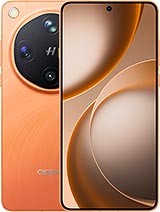
Find X9 Ultra
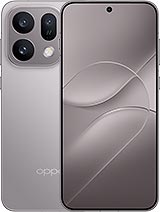
Find X10 E
Find X10
Find X10 Pro Max
Galaxy Z Fold8