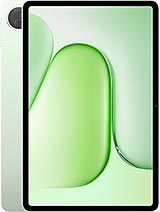
OnePlus Pad Lite review
This tablet suits anyone who reads, streams, and browses mainly indoors and does not play demanding games. If you need performance for work or gaming, or spend time in bright light, look at a more capable tablet—the extra cost is worth it for those uses.</verdict> </invoke>
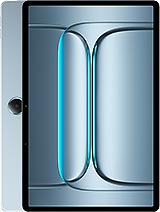
This review is written with AI assistance from OnePlus’s published specifications and public benchmark data for the OnePlus Pad Lite, and the rating is spec-based. GoSolo does not physically test devices; where we estimate real-world behaviour such as battery life or charge time, we say so. How we rate phones.
Overview
The OnePlus Pad Lite is a slim, affordable 11-inch tablet built for reading, streaming, and light work, but its entry-level chip and modest display brightness limit it to casual tasks. At 200 EUR, it is competent value for the price, though its performance ceiling will frustrate anyone expecting to game or multitask heavily.
Design and build
At 7.4mm thick and 530g, this tablet is slim and light enough to slip into a bag or backpack without complaint. The weight is actually lower than many 11-inch competitors, making it one of the more portable options in the class. That thinness is a genuine win for mobility, though it comes at the cost of some structural rigidity—drop it and the thin frame is more likely to crack than a chunkier rival. The lack of IP rating listed (or just IP42 if that applies) means it will not survive accidental water exposure, so keep it away from wet environments.
Display
The 11-inch 1200 x 1920 IPS LCD is a practical fit for the price. The 16:10 aspect ratio lends itself well to reading and web browsing, and 207 ppi density means text is sharp enough at normal viewing distance. The 90Hz refresh rate keeps scrolling smooth, which matters more on a tablet where you spend longer on single pages than you would on a phone. Where it stumbles is brightness: 500 nits is adequate indoors but visibly dim in sunlight or bright rooms, making outdoor reading less comfortable than more expensive tablets. The colors on an IPS panel are accurate but not punchy—fine for content consumption, uninspired for creative work.
Performance
The MediaTek Helio G100 is an entry-level chip designed for everyday apps and light gaming. Scrolling through news, email, and social media is smooth, and streaming video or reading PDFs poses no trouble. However, any real gaming demand—3D titles, heavy multitasking, or sustained workloads—will expose its limits. Expect frame drops and thermal throttling on demanding games at any decent graphics setting. For office work and file management, it is adequate but not snappy; switching between apps takes a noticeably longer than a flagship-tier tablet. The 6GB or 8GB RAM options help with multitasking, but the chip itself is the bottleneck.
Software
Android 15 with OxygenOS 15 is current and clean. OnePlus's take on Android has always been relatively lightweight and uncluttered compared to Samsung's, which is a practical advantage on a device with entry-level hardware. Updates and long-term support are typically strong for OnePlus, so you should not feel abandoned after purchase. The stylus support is listed but without driver details, so pressure sensitivity and drawing performance remain unclear from the specs alone.
Camera
Both the 5MP main and front cameras shoot 1080p video, which is genuinely bare-bones even for a budget tablet. The 5MP resolution is fine for quick document scanning or a Zoom call, but any serious photography is out of reach. For a device positioned as a media consumption tool, the camera is a non-feature—it is there because every device now has one, not because it is useful. Do not buy this expecting to take photos; use your phone instead.
Battery and charging
The 9340 mAh battery delivers about 11 to 13 hours of mixed use (reading, browsing, light video) on a single charge, which is solid for an 11-inch tablet. Heavy gaming will cut that to 8 or 9 hours, while light browsing can push it closer to a full day plus. The 33W SuperVOOC charging refills the battery in roughly 60 to 90 minutes, which is respectable for a tablet of this size and gives you a quick top-up if needed before leaving the house. For comparison, some rivals at this price now offer faster charging, but 33W is not a weakness.
Value and verdict
At 200 EUR, the Pad Lite is a sensible buy if you need a light, portable tablet for reading, streaming, and browsing on a budget. The slim design and long battery life are genuine strengths, and Android 15 with OxygenOS is reliable software. The chip and dim screen are the real limiting factors: do not expect this to handle gaming or outdoor use gracefully, and do not assume that a cheaper price tag means comparable performance. For a classroom device, an e-reader replacement, or casual couch browsing, it makes sense. If you want gaming headroom or a brighter screen for outdoor use, save a bit more for a mid-range iPad or Samsung Galaxy Tab competitor.
Verdict
This tablet suits anyone who reads, streams, and browses mainly indoors and does not play demanding games. If you need performance for work or gaming, or spend time in bright light, look at a more capable tablet—the extra cost is worth it for those uses.</verdict> </invoke>
- Slim 7.4mm design and 530g weight make it genuinely portable for an 11-inch tablet
- 90Hz IPS LCD at 207 ppi is smooth and clear for reading and video on a budget
- 9340 mAh battery delivers a full day of typical use (reading, browsing, streaming) without needing a charge
- 33W SuperVOOC charging is reasonably fast, filling the battery in roughly 60-90 minutes
- MediaTek Helio G100 is entry-level; it will throttle or stutter on any demanding game or heavy multitasking
- 500 nits peak brightness struggles in direct sunlight and is noticeably dim compared to rivals at this price
- 5MP cameras on both sides are weak; acceptable for scanning documents, poor for anything else
OnePlus Pad Lite Key Specifications
The essentials at a glance. See the full spec sheet.
| Released | 2025, July 08 |
|---|---|
| Display | 11.0 inches, 347.5 cm2 (~81.9% screen-to-body ratio), IPS LCD, 1B colors, 90Hz, 500 nits |
| Resolution | 1200 x 1920 pixels, 16:10 ratio (~207 ppi density) |
| Chipset | Mediatek Helio G100 (6 nm) |
| RAM & storage | 128GB 6GB RAM, 128GB 8GB RAM |
| Main camera | 5 MP |
| Selfie camera | 5 MP |
| Battery | 9340 mAh |
| Charging | SuperVOOC up to 33 W |
| Software | Android 15, OxygenOS 15 |
| Dimensions | 254.9 x 166.5 x 7.4 mm (10.04 x 6.56 x 0.29 in) |
| Weight | 530 g (1.17 lb) |
| Durability | Stylus support |
| Network | GSM / HSPA / LTE |
| NFC | No |
| USB | USB Type-C 2.0 |
OnePlus Pad Lite FAQ
Common questions, answered from the spec sheet.
Does the Pad Lite support 5G?
No. The Pad Lite tops out at GSM / HSPA / LTE, without 5G.
What chipset does the Pad Lite use?
The Pad Lite runs on the Mediatek Helio G100 (6 nm).
What display does the Pad Lite have?
A 11.0 inches, 347.5 cm2 (~81.9% screen-to-body ratio) IPS LCD, 1B colors, 90Hz, 500 nits, 1200 x 1920 pixels, 16:10 ratio (~207 ppi density).
How big is the Pad Lite battery?
The Pad Lite has a 9340 mAh battery. Charging is rated at SuperVOOC up to 33 W.
Does the Pad Lite have NFC?
No, the Pad Lite does not list NFC support.
Is the Pad Lite water resistant?
The Pad Lite carries a Stylus support rating.
Does the Pad Lite support a microSD card?
Yes, the Pad Lite supports expandable storage (Unspecified).
Alternatives to consider
If the Pad Lite isn’t quite right, these are the closest calls.
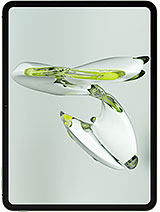
Pad Go 2
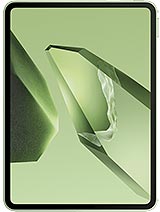
Pad 2 China
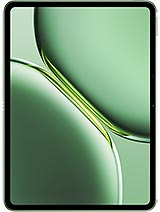
Pad 2 Pro

Pad OPD2407
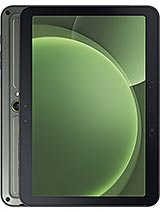
Galaxy Tab Active5 Pro