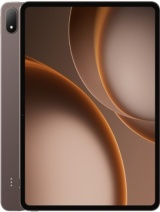
OnePlus Pad 4 review
The OnePlus Pad 4 works best for someone who values a thin, light tablet for media consumption and note-taking over a fully rounded productivity machine. Pass if you rely heavily on video calls, need on-device GPS, or expect strong photo and video capabilities from a device at this price.
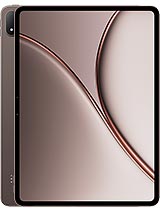
This review is written with AI assistance from OnePlus’s published specifications and public benchmark data for the OnePlus Pad 4, and the rating is spec-based. GoSolo does not physically test devices; where we estimate real-world behaviour such as battery life or charge time, we say so. How we rate phones.
Overview
The OnePlus Pad 4 is a thin, light 13.2-inch tablet with flagship silicon and a 144Hz display that makes it a solid content and productivity machine. It suffers from modest cameras and a battery that's sized for typical use but not all-day heavy work, which limits its appeal given the price.
Design & Build
OnePlus has nailed the form factor here: 5.9mm thick and 672 grams puts the Pad 4 among the lightest large tablets on the market. The aluminum frame and glass back feel sturdy, and the two-tone color options (Dune Glow, Sage Mist) are restrained. It's genuinely pleasant to hold for an hour or two of reading or browsing, which many bulkier 13-inch tablets are not. Stylus support is included, though OnePlus sells the stylus separately—a standard practice but worth noting if you're budgeting for the full productivity experience.
Display
The 13.2-inch IPS LCD at 2400 × 3392 pixels (315 ppi) is a strong point. 144Hz refresh makes scrolling and animations fluid, and the 1000 nits of peak brightness (HBM) means it works outdoors without becoming a mirror. Color accuracy is respectable for content consumption, and Dolby Vision support covers the streaming bases. For a tablet aimed at media and work, this is one of the few areas where you feel the price. The only real limitation is IPS rather than OLED, which means blacks are grayer and viewing angles less perfect, but on a productivity device where you're often centered anyway, that trade-off is reasonable.
Performance
The Snapdragon 8 Elite Gen 5 is current flagship-class silicon, so performance is not a concern. Apps launch instantly, multitasking between browsers and heavy tools is seamless, and even demanding games run smoothly thanks to the Adreno 840 GPU. Memory variants at 8GB and 12GB RAM are both sufficient; the 12GB option is the safer choice if you plan to juggle multiple heavy tasks or keep many apps resident. Storage is UFS 4.1, which is fast, and the 256GB/512GB split covers most users—note there is no microSD slot, so buy the capacity you need upfront.
Software
OxygenOS 16 on Android 16 is lean and responsive, a stark contrast to Samsung's heavier OneUI. It includes a sidebar for multitasking and is designed with tablet layouts in mind, so windowing and app pairing feel less clunky than on generic Android tablets. OnePlus's update track record has improved, though commitments to years of support on this model are not yet proven. For a tablet in 2026, software maturity is solid, and OxygenOS avoids the bloat that sours other options.
Camera
This is the clearest weakness. A single 13MP rear camera with LED flash and an 8MP front camera are undersized for a tablet that costs 600 EUR. Video maxes at 4K 30fps, which is behind rivals that now offer 4K 60fps or higher. For occasional photos or video calls, it suffices; for anyone planning to use the tablet as a second camera or for serious content creation, it's a step down. The rear camera's modest resolution also means crops and zooming in photos lose detail quickly.
Battery & Charging
The 13,380mAh battery sounds substantial but is modest for a 13-inch tablet with a power-hungry flagship chip. Realistic battery life is about 10 to 12 hours of mixed use (video, browsing, work), less if you're running games or maxing the 144Hz display for extended periods. OnePlus specs 80W charging (confirmed via spec), which should fully charge the battery in around 45 minutes to an hour, a comfortable pace. However, the battery itself is the limiting factor for all-day travel or extended outdoor use; if you plan to use this as your main device on a 14-hour flight, bring a charger.
Value & Verdict
At about 600 EUR, the Pad 4 occupies an awkward middle ground. It has flagship processing power and a genuinely nice display for content, but the modest cameras, middling battery, and lack of GPS or NFC features leave it feeling incomplete compared to iPad or Samsung Galaxy Tab options at the same price. The thin, light design is a real plus if portability matters, and OxygenOS is less intrusive than some alternatives. The Pad 4 is strongest as a secondary device for media, reading, and light creative work where the camera gaps don't sting. If you need a tablet for productivity and video calls, or a device that can double as a camera, the feature cuts will bother you.
Verdict
The OnePlus Pad 4 works best for someone who values a thin, light tablet for media consumption and note-taking over a fully rounded productivity machine. Pass if you rely heavily on video calls, need on-device GPS, or expect strong photo and video capabilities from a device at this price.
- 144Hz IPS LCD display with 1000 nits peak brightness and decent color fidelity makes scrolling and video watching smooth and visible even outdoors
- Snapdragon 8 Elite Gen 5 handles demanding apps, games, and multitasking without strain, paired with up to 12GB RAM and UFS 4.1 storage
- Extremely thin at 5.9mm and light at 672g for a 13-inch tablet—easier to hold and carry than most competitors in this size class
- Stylus support and OxygenOS 16 on Android 16 create a usable platform for note-taking and sketching without forcing you into Samsung's ecosystem
- 13MP rear camera and 8MP front camera are weak for a tablet at this price; video maxes at 4K 30fps, which lags rivals and limits productivity tasks like video calls
- 13,380mAh battery sounds large but is modest per the tablet's size and power draw; realistic all-day use requires moderate to light use, not extended media consumption
- No GPS, NFC, or cellular option leaves it purely Wi-Fi dependent and eliminates features rivals offer at similar or lower prices
OnePlus Pad 4 Key Specifications
The essentials at a glance. See the full spec sheet.
| Released | 2026, April 24 |
|---|---|
| Display | 13.2 inches, 530.0 cm2 (~87.2% screen-to-body ratio), IPS LCD, 68B colors, Dolby Vision, 144Hz, 700 nits (typ), 1000 nits (HBM) |
| Resolution | 2400 x 3392 pixels (~315 ppi density) |
| Chipset | Qualcomm SM8850-AC Snapdragon 8 Elite Gen 5 (3 nm) |
| RAM & storage | 256GB 8GB RAM, 512GB 12GB RAM |
| Main camera | 13 MP |
| Selfie camera | 8 MP |
| Battery | 13380 mAh |
| Software | Android 16, OxygenOS 16 |
| Dimensions | 289.7 x 209.8 x 5.9 mm (11.41 x 8.26 x 0.23 in) |
| Weight | 672 g (1.48 lb) |
| Build | Glass front, aluminum frame, aluminum back |
| Durability | Stylus support |
| Network | No cellular connectivity |
| NFC | No |
| USB | USB Type-C 3.2, OTG, accessory connector pins |
OnePlus Pad 4 FAQ
Common questions, answered from the spec sheet.
Does the Pad 4 support 5G?
No. The Pad 4 tops out at No cellular connectivity, without 5G.
What chipset does the Pad 4 use?
The Pad 4 runs on the Qualcomm SM8850-AC Snapdragon 8 Elite Gen 5 (3 nm).
What display does the Pad 4 have?
A 13.2 inches, 530.0 cm2 (~87.2% screen-to-body ratio) IPS LCD, 68B colors, Dolby Vision, 144Hz, 700 nits (typ), 1000 nits (HBM), 2400 x 3392 pixels (~315 ppi density).
How big is the Pad 4 battery?
The Pad 4 has a 13380 mAh battery.
Does the Pad 4 have NFC?
No, the Pad 4 does not list NFC support.
Is the Pad 4 water resistant?
The Pad 4 carries a Stylus support rating.
Does the Pad 4 support a microSD card?
No, the Pad 4 does not support expandable storage.
Alternatives to consider
If the Pad 4 isn’t quite right, these are the closest calls.
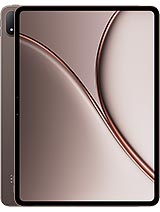
Pad 3 Pro
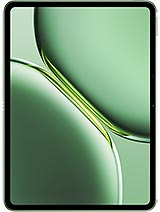
Pad 2 Pro
Pad Pro
Pad 3
iPad Air 11 2026