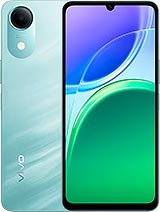
Nokia 300 Charge review
The 300 Charge suits someone who actively needs a durable, low-maintenance communications tool with multi-day battery life and field-swappable power. It is a poor fit for anyone expecting smartphone features, productivity apps, or a meaningful camera; they should stay with their current device or buy an actual budget smartphone instead.
This review is written with AI assistance from Nokia’s published specifications and public benchmark data for the Nokia 300 Charge, and the rating is spec-based. GoSolo does not physically test devices; where we estimate real-world behaviour such as battery life or charge time, we say so. How we rate phones.
Overview
The Nokia 300 Charge is a return to the feature-phone basics: a hardened, no-frills, removable-battery device built for calls, texts, and survival in places where smartphones drain fast or go unreliable. It is worth the €50 for someone who genuinely needs a backup or a durable offline companion, not for anyone expecting a smartphone replacement.
Design & build
At 138 grams and 15 mm thick, the 300 Charge sits in the weight class of a simple tool—substantial without being burdensome. The removable battery is the standout: rarer now than it was a decade ago, it means you can swap in a fresh cell in seconds rather than hunt for a plug in a remote area. Dual Mini-SIM support and a dedicated LED flashlight on top address practical needs: two carrier chains or a fallback light source. The body is compact enough to slip into a pocket or a travel pack without taking space a smartphone would demand. This is not a phone chasing thinness or lightness records; it is a phone that prioritizes grip and durability, and that trade-off makes sense for its intended buyer.
Display
A 2.4-inch TFT screen at 240 x 320 pixels and 167 ppi is adequate for reading SMS and navigating a basic menu. Do not expect clarity or vibrancy; this is the screen density of a 2000s-era phone, and it shows. The 23.7% screen-to-body ratio confirms that the hardware here prioritizes bezel and durability over immersion. For calls, texts, and time-telling, the display does its job. For anything that requires legibility under sunlight or comfort over extended reading, it falls short by modern standards, but that is not the 300 Charge's target use case.
Performance
The Unisoc SC6531E is an entry-level chipset built for battery efficiency in markets where power grids are unreliable. It handles phone calls and SMS routing without strain, but it runs into its ceiling almost immediately if you expect file browsing, streaming audio, or any application beyond the OS kernel. With 4 MB of RAM, multitasking is not a concept; the phone will execute one task at a time and forget it took effort. Do not buy this expecting a second smartphone or a gaming device—neither is realistic. It is a communications tool, nothing more.
Software & connectivity
The 300 Charge runs a basic feature-phone OS, no Android or iOS. It has GPRS and EDGE data support (slow enough to discourage browsing), but no Wi-Fi, Bluetooth, GPS, or NFC. This isolation is both a weakness and, oddly, a strength: you cannot sync or pair wireless peripherals, but you also cannot leak location data or fall victim to nearby Bluetooth exploits. A microSDHC slot offers expandable storage for media, and the MP3 player lets you keep music offline. For anyone working in areas where connectivity is sparse or a paranoia about trackers is justified, the feature-phone approach is not a drawback—it is the whole point.
Camera
The QVGA camera (320 x 240 pixel resolution) is a formality. It captures shapes and rough colors in good light, but do not expect usable photos for anything beyond proof of presence. There is no autofocus, no flash (separate from the LED torch), and no selfie option. If you need to document something, bring a real camera. The 300 Charge's camera exists to say there is a camera; it does not exist to compete.
Battery & charging
The 3700 mAh removable battery is the device's strongest claim to longevity. On a basic feature-phone load (calls, texts, standby), expect 3 to 5 days between charges—a real advantage over a smartphone's daily drain. The ability to swap the battery means you can carry a spare and extend your uptime indefinitely in the field. USB Type-C is a practical touch for 2026, even if the charging speed is glacial by smartphone standards. If you are in a place where an outlet is a luxury, this approach—two batteries instead of one fast charger—makes more sense.
Value & verdict
At €50, the Nokia 300 Charge costs less than a monthly phone bill in many markets and less than a week's worth of data overage on a typical contract. It is not cheap in the sense of being shoddy; it is cheap in the sense of having fewer features to break or distract you. For a primary phone, it is a step backward if you have ever relied on a smartphone for navigation, messaging apps, or casual internet. For a backup, a survival device, or a primary line in a place where GSM networks still dominate and reliability matters more than bandwidth, the trade-off is honest and clear. The removable battery, dual SIM, and offline-first design are deliberate choices, not limitations imposed by cost-cutting alone.
Verdict
The 300 Charge suits someone who actively needs a durable, low-maintenance communications tool with multi-day battery life and field-swappable power. It is a poor fit for anyone expecting smartphone features, productivity apps, or a meaningful camera; they should stay with their current device or buy an actual budget smartphone instead.
- Removable 3700 mAh battery—the one modern feature that actually matters for durability and field serviceability
- Built for GSM networks where your smartphone might struggle; dual SIM support for multiple carriers or regions
- Lightweight at 138g and pocket-friendly 15mm frame; survives drops better than glass-backed handsets
- Honest €50 price with no hidden costs—no subscriptions, no bloatware, no pressure to upgrade next year
- The 4 MB RAM and QVGA camera are so limited they barely qualify as usable; texting and calls work, but anything else is an exercise in patience
- No Wi-Fi, Bluetooth, GPS, or NFC leaves you stranded if you need to pair a headset, use maps, or move data beyond SMS
Nokia 300 Charge Key Specifications
The essentials at a glance. See the full spec sheet.
| Released | 2026, August 21 |
|---|---|
| Display | 2.4 inches, 17.8 cm2 (~23.7% screen-to-body ratio), TFT |
| Resolution | 240 x 320 pixels, 4:3 ratio (~167 ppi density) |
| Chipset | Unisoc SC6531E |
| RAM & storage | 4 MB 4 MB RAM |
| Main camera | QVGA |
| Selfie camera | No |
| Battery | 3700 mAh |
| Software | Android |
| Dimensions | 136.6 x 55 x 15 mm (5.38 x 2.17 x 0.59 in) |
| Weight | 138 g (4.87 oz) |
| Durability | Dedicated LED flashlight (on top) |
| Network | GSM |
| NFC | No |
| USB | USB Type-C |
Nokia 300 Charge FAQ
Common questions, answered from the spec sheet.
Does the 300 Charge support 5G?
No. The 300 Charge tops out at GSM, without 5G.
What chipset does the 300 Charge use?
The 300 Charge runs on the Unisoc SC6531E.
What display does the 300 Charge have?
A 2.4 inches, 17.8 cm2 (~23.7% screen-to-body ratio) TFT, 240 x 320 pixels, 4:3 ratio (~167 ppi density).
How big is the 300 Charge battery?
The 300 Charge has a 3700 mAh battery.
Does the 300 Charge have NFC?
No, the 300 Charge does not list NFC support.
Is the 300 Charge water resistant?
The 300 Charge carries a Dedicated LED flashlight (on top) rating.
Does the 300 Charge support a microSD card?
Yes, the 300 Charge supports expandable storage (microSDHC).
Alternatives to consider
If the 300 Charge isn’t quite right, these are the closest calls.
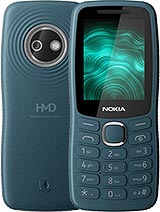
123 Shield
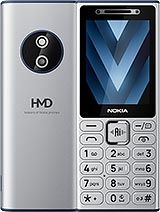
210 4G
235 4G (2026)
110 Power
Play 70C