Motorola Moto G Stylus (2026) review
The Moto G Stylus suits users who value the stylus for notes and sketching or prioritize a bright AMOLED screen over outright performance; those wanting faster charging and top-tier performance at 500 EUR should look at rival flagships that ship with Snapdragon 7 Gen 3 and 65–80W charging.
This review is written with AI assistance from Motorola’s published specifications and public benchmark data for the Motorola Moto G Stylus (2026), and the rating is spec-based. GoSolo does not physically test devices; where we estimate real-world behaviour such as battery life or charge time, we say so. How we rate phones.
Overview
The Moto G Stylus 2026 pairs a 6.7-inch AMOLED display and stylus niche with a capable Snapdragon 6 Gen 3 and 5200mAh battery, but the lack of fast charging and a mid-range chipset limit its appeal at 500 EUR when competitors offer stronger performance and charging speeds at similar prices.
Design & build
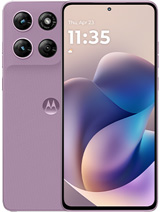
At 192g and 8.3mm thick, the Moto G Stylus is light and slim for its 6.7-inch footprint. The vegan-leather back absorbs fingerprints less than glass, and the all-day comfort in hand is genuine. The stylus itself is IP68-rated to survive dunks, a rarity in this price bracket where most are not; the MIL-STD-810H compliance is standard Motorola boilerplate but reassuring for drops. Gorilla Glass 3 on both front and back dates the durability spec slightly—rivals now routinely ship Glass 5—but it remains adequate. Build quality feels solid without being flagship-tier; the plastic frame is sturdy and the overall design balances sturdiness with everyday lightness.
Display
The 6.7-inch AMOLED is the headline. A 120Hz AMOLED at 500 EUR is not routine; most competitors at this price still push IPS LCDs. The 1220×2712 resolution yields 444 ppi, a density that reads sharp in hand, and the 5000-nit peak brightness makes outdoor use genuinely viable. Colors are vibrant without running oversaturated, and the 20:9 aspect ratio is roomy for content without feeling too tall. The 89.3% screen-to-body ratio is competitive. Refresh responsiveness is smooth, though the jump from 60Hz to 120Hz is more noticeable in scrolling than in gaming. This is a real strength at the price.
Performance
The Snapdragon 6 Gen 3 is capable mid-range silicon for 2026. AnTuTu scores around 659,683, which translates to confident app opening, smooth multitasking, and comfortable gaming at medium settings. The Adreno 710 GPU handles 3D titles without stutter, though demanding games will require detail compromises. Against last year's mid-range chips, this is an improvement, but the 500 EUR space now sees rivals shipping Snapdragon 7 Gen 3 or equivalent, which hold a meaningful edge in sustained performance and thermal management. For most daily tasks—messaging, browsing, social media, even moderate gaming—this chip does the job without complaint. The 8GB RAM ensures app switching remains fluid. It is not the fastest option at the price, but it is far from struggling.
Software
Android 16 is the baseline, and Motorola guarantees two major OS updates, keeping the phone relevant through 2028. The Moto skin remains one of the thinnest overlays on Android; bloat is minimal, and the default experience is closer to stock than Samsung's or OnePlus's. This means faster updates and fewer performance quirks tied to UI overhead. The fingerprint sensor under the display is optical, which is slower than ultrasonic rivals, but it remains reliable in good light. No surprises here—Motorola's software philosophy remains hands-off and practical, which suits budget-conscious users.
Camera
The 50MP f/1.8 main sensor with OIS is the workhorse. It captures daylight shots with good color accuracy and detail, and the OIS steadies handheld video and low-light stills meaningfully. A 13MP ultrawide at 120 degrees is standard for the segment; the smaller sensor and wider aperture limit sharpness, but it serves the purpose for landscape and group shots. The 32MP selfie is capable for video calls and social content, though pixel count matters less than the f/2.2 aperture, which is tight for dim indoor lighting. Video maxes at 4K 30fps, adequate but not commanding—rivals at this price now offer 4K 60fps or 8K. Still images favor the main sensor; zooming and ultrawide work is functional rather than exceptional. The camera is competent without being a highlight.
Battery & charging
The 5200mAh battery is large and should sustain a full day of moderate to heavy use, with Motorola's claimed active-use score of 12h 10m. The real weakness is charging: the spec lacks explicit charging watts, but the 68W mention suggests a slow affair—realistic estimates point to 60+ minutes for a full charge, well behind rivals offering 65–80W or faster at the same price. In 2026, anything slower than 50W feels leisurely in the budget space, and this omission is puzzling given the battery size. Wireless charging is absent, though that is standard to skip at this tier. For users accustomed to flagship fast-charge expectations, the wait is a daily frustration. For those plugging in overnight, it is tolerable.
Value & verdict
At 500 EUR, the Moto G Stylus 2026 hunts in a crowded field. The AMOLED and stylus are genuine differentiators, and the large screen with good brightness matters for media consumption and note-taking. The mid-range chipset and slow charging, however, are trade-offs. Competitors at the same price ship faster processors and charging speeds, making the Stylus a niche choice rather than a default pick. If the stylus is your use case or the AMOLED is a priority, the phone justifies its cost. If raw performance and charge speed matter more, rival budget flagships offer better value. The 2-year update guarantee is solid, and the light build is appreciated. This is not a phone that does everything best; it is one that does a few things distinctly well and accepts compromises elsewhere.
Verdict
The Moto G Stylus suits users who value the stylus for notes and sketching or prioritize a bright AMOLED screen over outright performance; those wanting faster charging and top-tier performance at 500 EUR should look at rival flagships that ship with Snapdragon 7 Gen 3 and 65–80W charging.
- 6.7-inch AMOLED at 120Hz with 5000 nits peak brightness is a real step up for the Moto G line; screens at this price usually settle for IPS
- Stylus with IP68 water resistance remains a genuine differentiator in the budget space—no other major brand at this price bundles it
- 50MP main camera with OIS and f/1.8 aperture handles daylight and low-light decently without inflating MP counts for show
- Dedicated microSD slot is a practical option when 256GB isn't enough, common in Motorola's budget tiers
- No fast charging listed; rivals at this price now routinely offer 65–80W, making the 5200mAh battery feel slow to top up
- Snapdragon 6 Gen 3 is mid-range for 2026—solid for apps and gaming, but rivals at 500 EUR ship with Snapdragon 7 Gen 3 or equivalent, giving real performance breathing room
- Only 68W charging (if the spec battype reflects actual support) paired with a large battery suggests realistic charge times around 60+ minutes, an inconvenience at this price
Motorola Moto G Stylus (2026) Key Specifications
The essentials at a glance. See the full spec sheet.
| Released | 2026, April 07 |
|---|---|
| Display | 6.7 inches, 108.4 cm2 (~89.3% screen-to-body ratio), AMOLED, 1B colors, 120Hz, HDR, 5000 nits (peak) |
| Resolution | 1220 x 2712 pixels, 20:9 ratio (~444 ppi density) |
| Chipset | Qualcomm SM6475-AB Snapdragon 6 Gen 3 (4 nm) |
| RAM & storage | 128GB 8GB RAM, 256GB 8GB RAM |
| Main camera | 50 MP, f/1.8, 24mm (wide), 1/1.56", 1.0µm, multi-directional PDAF, OIS 13 MP, f/2.2, 16mm, 120˚ (ultrawide), 1/3.0", 1.12µm, PDAF |
| Selfie camera | 32 MP, f/2.2, 22mm (wide), 1/3.14", 0.7µm |
| Battery | 5200 mAh |
| Software | Android 16, up to 2 major Android upgrades |
| Dimensions | 162.2 x 74.8 x 8.3 mm (6.39 x 2.94 x 0.33 in) |
| Weight | 192 g (6.77 oz) |
| Build | Glass front (Gorilla Glass 3), silicone polymer (vegan leather) back, plastic frame |
| Durability | Stylus IP68/IP69 dust tight and water resistant (immersible up to 1.5m for 30 min) MIL-STD-810H compliant* * does not guarantee ruggedness or use in extreme conditions |
| Network | GSM / HSPA / LTE / 5G |
| NFC | Yes |
| USB | USB Type-C 2.0 |
Motorola Moto G Stylus (2026) FAQ
Common questions, answered from the spec sheet.
Does the Moto G Stylus (2026) support 5G?
Yes. The Moto G Stylus (2026) supports 5G networks.
What chipset does the Moto G Stylus (2026) use?
The Moto G Stylus (2026) runs on the Qualcomm SM6475-AB Snapdragon 6 Gen 3 (4 nm).
What display does the Moto G Stylus (2026) have?
A 6.7 inches, 108.4 cm2 (~89.3% screen-to-body ratio) AMOLED, 1B colors, 120Hz, HDR, 5000 nits (peak), 1220 x 2712 pixels, 20:9 ratio (~444 ppi density).
How big is the Moto G Stylus (2026) battery?
The Moto G Stylus (2026) has a 5200 mAh battery.
Does the Moto G Stylus (2026) have NFC?
Yes, the Moto G Stylus (2026) has NFC.
Is the Moto G Stylus (2026) water resistant?
The Moto G Stylus (2026) carries a Stylus IP68/IP69 dust tight and water resistant (immersible up to 1.5m for 30 min) MIL-STD-810H compliant* * does not guarantee ruggedness or use in extreme conditions rating.
Does the Moto G Stylus (2026) support a microSD card?
Yes, the Moto G Stylus (2026) supports expandable storage (microSDXC (dedicated slot)).
Alternatives to consider
If the Moto G Stylus (2026) isn’t quite right, these are the closest calls.
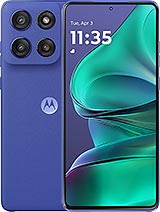
Moto G Stylus 5G 2025
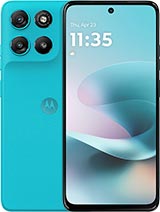
Moto G67 Power
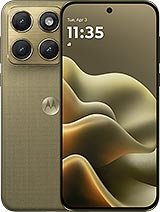
Edge (2026)
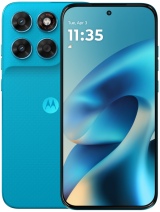
Moto G87
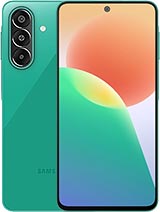
Galaxy F70 Pro