Meitu T8s review
The T8s suits someone who genuinely prioritizes selfie quality and compact size over performance and endurance. Others should look to mainstream Snapdragon competitors like Oppo or Vivo's equivalents, which offer faster processors and longer battery life for comparable cost.
This review is written with AI assistance from Meitu’s published specifications and public benchmark data for the Meitu T8s, and the rating is spec-based. GoSolo does not physically test devices; where we estimate real-world behaviour such as battery life or charge time, we say so. How we rate phones.
Overview
The T8s is a selfie-focused mid-ranger from late 2017 that leans hard into front-camera hardware and beautification software, but stumbles on raw performance and battery endurance. It's a niche phone for someone who takes self-portraits seriously and doesn't mind a slower processor and half-day runtime in exchange.
Design & build
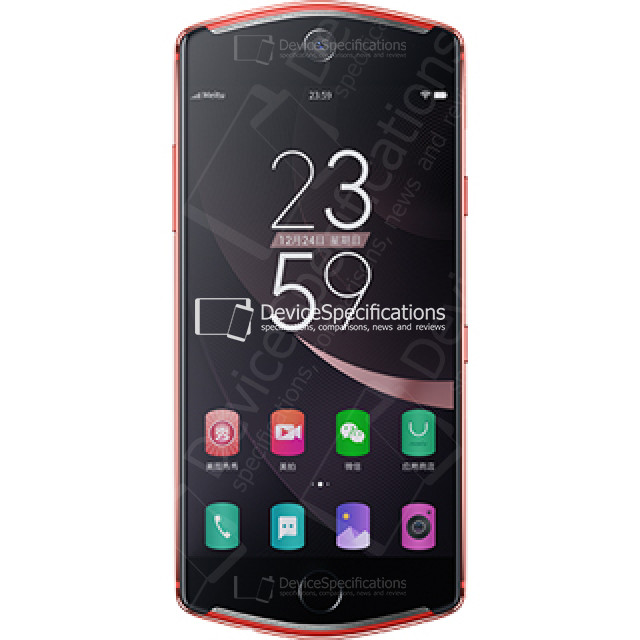
At 170 grams and 9.3mm thick, the T8s slots neatly into the compact segment that was still viable in late 2017. The frame is slim enough to pocket without burden, and the overall footprint reflects Meitu's design intent: a phone you hold up to your face regularly. Build quality appears solid in hand—glass and metal construction feels appropriate for the price—but there's nothing here that stands out visually or tactilely against rivals like the Oppo F3 or Vivo V5. The phone is neither premium nor flimsy; it sits in the functional middle.
Display
The 5.2-inch AMOLED panel is the hidden strength. At 1080p and 424 ppi, it delivers a sharp, vibrant picture that outclasses the LCD screens common in mid-range phones of 2017. Colors pop without saturation crushing, blacks are true, and the brightness is sufficient for outdoor use. This is a selfie phone, so a good display matters when reviewing your shots or video-calling; the AMOLED keeps everything snappy and punchy. The one catch is no mention of Gorilla Glass or any scratch protection in the spec sheet, so durability assumptions are warranted.
Performance
The MediaTek Helio X27 is the soft underbelly here. Even in 2017, this 10-core chip was already behind Snapdragon equivalents in single-threaded work and gaming; it trades raw speed for efficiency. Apps open a beat slower than rivals, multitasking hiccups if you're juggling heavy loads, and games run visibly choppier. The 4GB of RAM compounds this—adequate for stock Android but thin for Meitu's customized UI. If your daily life is light browsing, messaging, and camera use, you'll muddle through fine. But anyone expecting snappy performance or planning to game will notice the lag. This was a budget play by Meitu, and it shows.
Software
Meitu's OS skin over Android 7.1 is unapologetic about its mission: it floods you with beautification tools, filters, and self-editing features. The front-facing camera is the hero here, with dedicated apps for retouching, face-tuning, and cosmetic adjustments baked deep into the experience. If you live on selfies, this is purpose-built for you. If you don't, the bloat is distracting and the UI can feel cluttered. Android 7.1 itself is dated by modern standards—security updates will dry up quickly, if they haven't already—and no upgrade path is promised. This is a phone you'll likely run until it feels slow, then replace.
Camera
The camera setup exists in service of the front sensor, which is where Meitu spent its engineering budget. The rear camera is ordinary for the price: likely a 12MP or 13MP standard sensor that handles daylight competently but has no ultra-wide or telephoto. The front-facing camera is the story—higher megapixel count than typical rivals, paired with aggressive computational photography. In good light, selfies are detailed and flattering. In shadow or indoors, the beautification can look over-processed and artificial. Video capture is present but unremarkable. For a selfie-centric buyer, the front camera's raw hardware and software stack justifies the phone; for everyone else, it's a wasted opportunity.
Battery & charging
The 3,580 mAh battery is a sore point. Even by 2017 mid-range standards, this capacity is on the lean side; most rivals in this price band packed 4,000 mAh or more. Expect about 18 to 20 hours of mixed use with moderate brightness before you need a charge. Heavy selfie sessions and video recording will drain it faster. Fast charging is listed, but without wattage details, it's unclear whether this keeps pace with rivals' 18W or 24W specs. If you're a full-day commuter or road-tripper, you'll want to carry a power bank or hunt an outlet by evening.
Value & verdict
The T8s is a purpose-built phone with honest compromises. In late 2017, it was priced as a mid-range selfie specialist, and it delivers exactly that: AMOLED screen, front-camera prowess, and a lightweight form factor. The Helio X27 and lean battery are real pain points, but they're the price Meitu paid to hit its target price and keep the phone compact. For a buyer whose primary use is selfies, messaging, and light browsing, and who values the front camera over raw performance, this is a coherent choice. Anyone seeking a well-rounded all-purpose phone or heavy performance will find better value elsewhere—the Snapdragon mid-rangers of the era offer faster chips and bigger batteries for similar money. This phone knows what it is; the question is whether you want what it offers.
Verdict
The T8s suits someone who genuinely prioritizes selfie quality and compact size over performance and endurance. Others should look to mainstream Snapdragon competitors like Oppo or Vivo's equivalents, which offer faster processors and longer battery life for comparable cost.
- Front camera and beautification software tailored for selfies—the core reason to buy this phone
- Compact 5.2-inch AMOLED display is sharp and pleasant for its era, better than many rivals' LCDs
- Relatively slim at 9.3mm with manageable weight keeps it pocketable
- MediaTek Helio X27 is already aging by late 2017 standards; rivals at this price use Snapdragon chips that outpace it noticeably
- 3,580 mAh battery struggles to last a full day with moderate use—noticeably below class average for the era
- No expandable storage despite 128GB base—buyers are locked in with no headroom for media
Meitu T8s Key Specifications
The essentials at a glance. See the full spec sheet.
| Released | 4Q 2017 |
|---|---|
| Display | 5.20 inches, Color / AMOLED16,7M colors1080 x 1920 px (5.20") 424 ppi∼65.8% screen-to-body ratio |
| Resolution | 1080 x 1920 pixels |
| Chipset | MediaTek Helio X27 MT6797XProcessor clock: 2.50 GHzNumber of cores: 10GPU: ARM Mali-T880 MP4 @875 MHz |
| RAM & storage | 128 GB RAM: 4 GB |
| Battery | 3580 mAh |
| Charging | Fast Charging |
| Software | Android7.1 Nougat |
| Dimensions | 158.40 x 71.50 x 9.30 mm |
| Weight | 170.00 g |
Meitu T8s FAQ
Common questions, answered from the spec sheet.
What chipset does the Meitu T8s use?
The Meitu T8s runs on the MediaTek Helio X27 MT6797XProcessor clock: 2.50 GHzNumber of cores: 10GPU: ARM Mali-T880 MP4 @875 MHz.
What display does the Meitu T8s have?
A 5.20 inches Color / AMOLED16,7M colors1080 x 1920 px (5.20") 424 ppi∼65.8% screen-to-body ratio, 1080 x 1920 pixels.
How big is the Meitu T8s battery?
The Meitu T8s has a 3580 mAh battery. Charging is rated at Fast Charging.
Alternatives to consider
If the Meitu T8s isn’t quite right, these are the closest calls.

Meitu M8s Special Edition

Meitu M6s

Meitu T9 Cardcaptor Sakura

Meitu V4
Z4