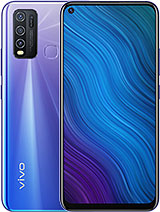
Infinix Smart 8 Plus review
The Smart 8 Plus suits someone who values battery stamina and smooth scrolling over gaming or video creation, and who is happy to charge in the evening as part of their routine. Anyone regularly gaming, creating video, or traveling without frequent access to power should look at phones with faster charging and stronger chips, even if they give up some battery capacity in trade.
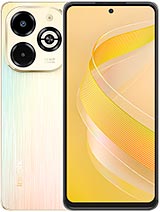
This review is written with AI assistance from Infinix’s published specifications and public benchmark data for the Infinix Smart 8 Plus, and the rating is spec-based. GoSolo does not physically test devices; where we estimate real-world behaviour such as battery life or charge time, we say so. How we rate phones.
Overview
The Infinix Smart 8 Plus is a straightforward budget Android phone built around endurance: a 6000mAh battery, 90Hz screen, and enough processing grunt for daily chat and light browsing, but not for gaming or video work. At around €100, it delivers what you pay for—no surprises, no pretense.
Design & build
At 204g and 9mm thick, the Smart 8 Plus sits solidly in hand without feeling fragile, though the plastic back and frame are unsurprising at this price. The glass front at least avoids the scratches that cheap plastic displays collect quickly. Dual Nano-SIM and a headphone jack remain, conveniences that matter in many emerging markets where neither is standard across the board anymore. The side-mounted fingerprint sensor is responsive and beats software unlock for unlocking on the fly.
Display
The 6.6-inch IPS screen runs at 90Hz, which moves scrolling through WhatsApp, Twitter, or a news app noticeably smoother than the 60Hz standard. At 500 nits peak brightness, you can read it in direct sunlight without maxing contrast, though at full glare the effect tapers. The 720p resolution at 267 ppi is the trade-off for the battery and charging price: text on small icons or web pages shows visible pixels if you hold the phone at arm's length, which most will not, but anyone accustomed to sharper screens will notice. The 84.4% screen-to-body ratio keeps bezels reasonable without the cost of a notch or hole punch.
Performance
The Mediatek Helio G36 is entry-level by design, and it handles everyday tasks—messaging, email, light social media, video calls—without lag. Switching between apps feels instant on 4GB RAM as long as you do not load ten at once. Gaming is where the limits show: PUBG or Genshin Impact stutter badly, and even lighter games like Subway Surfers or Chess.com drop to 30–40 fps on medium settings. If your day is built around quick notifications and casual browsing, you will not feel the chip's age; if you game regularly or edit content, this phone will frustrate you.
Software
Android 13 Go edition strips bloat and aims to run on modest hardware, paired with Infinix's XOS 13 skin. The OS stays out of the way and does not add clutter, a philosophy that suits the target user. Security patches and major Android updates are not guaranteed on this price tier, so expect the phone to feel current for a year or so before you notice the OS drifting.
Camera
The 50MP main sensor with f/1.9 aperture and an auxiliary lens is the phone's strongest point. That wide aperture lets in genuine light, making indoor shots usable without extreme noise; the auxiliary lens sharpens detail in ways that megapixels alone do not. In daylight, colors are neutral and exposure is steady. The trade-off is 1080p@30fps video, which feels tight by 2024 standards; 4K has become common even at this price elsewhere. The 8MP selfie camera is functional for video calls and social media uploads, nothing more.
Battery & charging
The 6000mAh cell is the phone's signature claim, and it backs it up: two days is realistic for someone doing WhatsApp, email, and light browsing. Moderate-to-heavy use eats that to one and a half days, and video playback or navigation hammers it faster. The 18W charging, however, is the weak link. From empty to full takes roughly 90 minutes, slow enough that skipping a charge overnight or missing an afternoon outlet leaves you nervous about battery by evening. Rivals at this price now hit 30W or 33W, so 18W feels conservative even for a budget phone.
Value & verdict
At around €100, the Smart 8 Plus occupies a crowded space where you are choosing between a big screen with endurance and a fresher chip with faster charging. This phone bets on battery life and display smoothness, a choice that suits someone who values a day-and-a-half of uptime and screen fluidity over raw performance. The camera quality punches above its weight, the dedicated microSDXC slot saves frustration later, and the 90Hz screen keeps scrolling pleasant. Against that, the Helio G36 and slow charging are honest compromises at the price. If your phone sits mostly idle and you charge nightly anyway, you will see a solid all-rounder; if you travel often or game, a faster charging phone at a similar price is worth seeking out.
Verdict
The Smart 8 Plus suits someone who values battery stamina and smooth scrolling over gaming or video creation, and who is happy to charge in the evening as part of their routine. Anyone regularly gaming, creating video, or traveling without frequent access to power should look at phones with faster charging and stronger chips, even if they give up some battery capacity in trade.
- 6000mAh battery easily clears two days of light use and forgoes the daily charging ritual many budget phones impose
- 90Hz IPS display scrolls noticeably smoother than standard 60Hz, a quality-of-life gain that compounds over hours of reading and browsing
- 50MP main camera with f/1.9 aperture and auxiliary lens collects honest light indoors, better than the megapixel count alone suggests
- Dedicated microSDXC slot lets you expand storage without sacrificing app space, practical for this tier where apps and media compete for room
- Helio G36 struggles visibly with any demanding game; even lighter titles drop to 30–40 fps on medium settings
- 18W charging takes around 90 minutes from empty, slow enough that a missed charging session leaves you stranded midday
- 267 ppi density on a 6.6-inch 720p screen leaves text noticeably grainy at normal reading distance, a tradeoff for keeping the price down
Infinix Smart 8 Plus Key Specifications
The essentials at a glance. See the full spec sheet.
| Released | 2024, January 30 |
|---|---|
| Display | 6.6 inches, 104.6 cm2 (~84.4% screen-to-body ratio), IPS LCD, 90Hz, 500 nits (peak) |
| Resolution | 720 x 1612 pixels, 20:9 ratio (~267 ppi density) |
| Chipset | Mediatek Helio G36 (12 nm) |
| RAM & storage | 64GB 4GB RAM, 128GB 4GB RAM |
| Main camera | 50 MP, f/1.9, (wide), AF Auxiliary lens |
| Selfie camera | 8 MP, f/2.0, (wide) |
| Battery | 6000 mAh |
| Charging | 18W wiredReverse wired |
| Software | Android 13 (Go edition), XOS 13 |
| Dimensions | 163.7 x 75.7 x 9 mm (6.44 x 2.98 x 0.35 in) |
| Weight | 204 g (7.20 oz) |
| Build | Glass front, plastic back, plastic frame |
| Network | GSM / HSPA / LTE |
| NFC | No |
| USB | USB Type-C 2.0, OTG |
Infinix Smart 8 Plus FAQ
Common questions, answered from the spec sheet.
Does the Smart 8 Plus support 5G?
No. The Smart 8 Plus tops out at GSM / HSPA / LTE, without 5G.
What chipset does the Smart 8 Plus use?
The Smart 8 Plus runs on the Mediatek Helio G36 (12 nm).
What display does the Smart 8 Plus have?
A 6.6 inches, 104.6 cm2 (~84.4% screen-to-body ratio) IPS LCD, 90Hz, 500 nits (peak), 720 x 1612 pixels, 20:9 ratio (~267 ppi density).
How big is the Smart 8 Plus battery?
The Smart 8 Plus has a 6000 mAh battery. Charging is rated at 18W wiredReverse wired.
Does the Smart 8 Plus have NFC?
No, the Smart 8 Plus does not list NFC support.
Does the Smart 8 Plus support a microSD card?
Yes, the Smart 8 Plus supports expandable storage (microSDXC (dedicated slot)).
Does the Smart 8 Plus have a headphone jack?
Yes, the Smart 8 Plus has a 3.5mm headphone jack.
Alternatives to consider
If the Smart 8 Plus isn’t quite right, these are the closest calls.
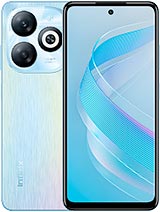
Smart 8 Pro
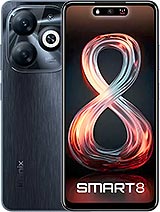
Smart 8 (India)
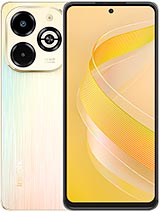
Smart 6 Plus
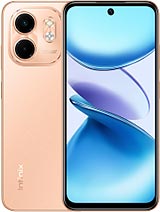
Smart 8 HD
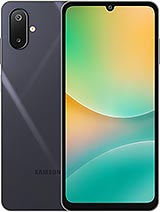
Galaxy M06 5G