Huawei Pura X Max review
The Pura X Max suits foldable believers who prioritize screen real estate, live in Huawei-friendly markets, and can absorb the weight and cost. For everyone else—anyone who needs Google Play, wants a lighter phone, or balks at the euro pricing—a traditional flagship or a competing foldable offers better value for money.
This review is written with AI assistance from Huawei’s published specifications and public benchmark data for the Huawei Pura X Max, and the rating is spec-based. GoSolo does not physically test devices; where we estimate real-world behaviour such as battery life or charge time, we say so. How we rate phones.
Overview
The Pura X Max is a large, capable foldable built around a strong display and solid cameras, but its weight, modest battery for the size, and premium euro pricing make it a harder sell than rivals who offer more value in this category. It's a phone for foldable believers who prioritize screen real estate over practicality.
Design & build
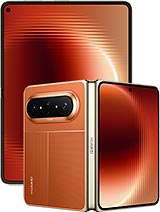
The Pura X Max follows Huawei's established foldable formula: unfolded it's a tablet, folded it's a compact clamshell. At 166.5 x 120 x 5.2 mm unfolded and 85 x 120 x 11.2 mm folded, the proportions are aggressive. The issue is weight. At 229 grams, this is genuinely heavy—it sits at the upper end for modern foldables and beats most traditional flagships. In a jacket pocket or backpack it's fine; in your hand for an hour, the heft becomes noticeable. The frame is aluminum, the back is aluminosilicate glass, and the cover uses Kunlun Glass 2. That's durable materials, but durability is the baseline for a 1400-euro phone. The IP58/IP59 rating (dust-protected, water-resistant to 1m for 30 minutes) and stylus support are welcome, though the stylus doesn't slot in—you're carrying it separately. The foldable screen crease is inevitable; Huawei hasn't solved it, and neither has anyone else.
Display
The 7.7-inch unfolded LTPO2 OLED screen is the phone's calling card. At 1828 x 2584 pixels it's sharp enough (412 ppi), and the 89.8% screen-to-body ratio is excellent for a foldable—there's minimal bezels. The 120Hz refresh rate with 1440Hz PWM dimming keeps motion smooth and reduces flicker at low brightness, which matters for extended use. HDR Vivid support and 1 billion colors round out the spec sheet. The cover display is a 5.4-inch LTPO2 OLED at 1264 x 1848 pixels, also 120Hz. In practice, the inner display is where the experience lives: it's genuinely spacious for media, gaming, and productivity apps. The trade-off is that the outer screen remains secondary for serious work, and switching between them breaks the flow. For someone buying this for the screen real estate, it delivers. For everyone else, it's an expensive novelty.
Performance
The Kirin 9030 Pro is a 6 nm flagship-class chipset with a 9-core architecture (1x2.75 GHz, 4x2.27 GHz, 4x1.72 GHz cores) paired to the Maleoon 935 GPU. This is near the top of Huawei's lineup and handles demanding games, video editing, and heavy multitasking without breaking a sweat. RAM options go up to 16 GB, and storage up to 1 TB, so there's no compromise there. Compared to Snapdragon 8 Elite or A18 Pro chips from the same window, the 9030 Pro sits in the same capability tier—all three handle real-world workloads equally well. The difference is ecosystem; Huawei's chip has no access to Google Play, so you're locked into Huawei's AppGallery unless you're willing to sideload. For users in markets with AppGallery support, that's less friction. For those expecting Play Store access, this is a dealbreaker.
Software
HarmonyOS 6.1 is Huawei's in-house operating system, built to work around the loss of Google Mobile Services. The software is polished and responsive, and foldable-specific features let you use apps across both screens or run multiple windows. The problem is app availability. AppGallery has grown, but it's nowhere near Google Play in depth, especially for niche and regional apps. If you live in mainland China or a market where AppGallery is the norm, this is fine. If you're in Europe or rely on apps beyond the mainstream (banking, local services, gaming), you'll hit gaps. Huawei has worked hard to close that gap, and workarounds exist (sideloading, Huawei's web app framework), but they require effort. Out of the box, HarmonyOS feels snappier than some Android skins, but it's also more insular.
Camera
The triple rear camera setup is solid. The 50 MP main camera with f/1.4-4.0 variable aperture, OIS, and PDAF is standard flaggship fare—it handles low light well and produces clean daylight photos. The star is the 50 MP periscope telephoto at 81 mm with 3.5x optical zoom, f/2.2, OIS, and PDAF. That's a genuine advantage over rivals who often settle for 2x or digital-only zoom at this price point. The 12.5 MP ultrawide at 13 mm and f/2.2 is functional but uninspiring—ultrawide cameras in this class typically lag in color accuracy and edge sharpness, and this one is no exception. The 8 MP cover camera and 8 MP inner camera handle selfies adequately. Video is capped at 4K with gyro-EIS and HDR Vivid support. The laser autofocus and color spectrum sensor add marketing appeal, but real-world video stabilization and autofocus tracking are typical for the era, not exceptional. If you frame a shot on the big inner display and then record video, the experience is smooth, but the video quality itself doesn't beat rivals at the same price.
Battery & charging
The 5300 mAh battery is respectable on paper but undersized for the 7.7-inch display. Expect about a day of moderate use—browsing, messaging, some video—or half a day if you're gaming or editing on the big screen regularly. Switching between the cover and inner displays helps stretch battery life, but if you're buying this for the screen, you'll be using it. The 66W fast charging is adequate but not quick by current standards; rivals at this price now hit 100W or beyond, so a full charge takes 40-50 minutes rather than 20-30. There's no wireless charging, which is unusual for a 1400-euro foldable. Given the weight and heft, longer battery life would have been the better trade-off than thinness.
Value & verdict
At roughly 1400 EUR, the Pura X Max is expensive, and the value proposition hinges entirely on whether you want a large foldable display and can live with Huawei's ecosystem. The hardware is strong—the camera zoom, the screen, the chipset—but none of it is exclusive or dramatically better than what you'd get from a cheaper, lighter flagship. The real cost is the ecosystem lock-in and the weight penalty for a device that's still not truly pocket-friendly folded. In markets with AppGallery support and strong Huawei services integration, this makes more sense. Everywhere else, it's a luxury buy for foldable enthusiasts, not a practical choice over a traditional flagship or a cheaper foldable competitor.
Verdict
The Pura X Max suits foldable believers who prioritize screen real estate, live in Huawei-friendly markets, and can absorb the weight and cost. For everyone else—anyone who needs Google Play, wants a lighter phone, or balks at the euro pricing—a traditional flagship or a competing foldable offers better value for money.
- 7.7-inch unfolded LTPO2 OLED display with 89.8% screen-to-body ratio and 120Hz refresh makes this one of the most expansive and fluid foldable screens available
- 50MP periscope telephoto with 3.5x optical zoom and solid f/2.2 aperture handles mid-range zoom duties without resorting to digital crops, a real advantage over rivals stuck with modest zoom ranges
- Kirin 9030 Pro is a capable flagship-class chipset with 9-core design that handles demanding apps and multitasking without the artificial throttling or heat issues that plague some competitors
- 5300 mAh battery with 66W/50W charging is respectable for a foldable, though not class-leading in either metric
- At 229g folded, it's noticeably heavy for daily carry; most users will feel the weight difference against non-foldables, and the 11.2mm folded thickness doesn't help ergonomics
- 5300 mAh struggles to deliver a full day of moderate-to-heavy use on the expanded display, and claims of 66W fast charging are offset by the fact that rivals now hit 120W or faster
- 1400 EUR launch price is steep for a foldable that lacks exclusive software features; the gap between this and cheaper, lighter flagship phones is harder to justify when foldables remain a novelty buy
Huawei Pura X Max Key Specifications
The essentials at a glance. See the full spec sheet.
| Released | 2026, April 20 |
|---|---|
| Display | 7.7 inches, 179.5 cm2 (~89.8% screen-to-body ratio), Foldable LTPO2 OLED, 1B colors, 120Hz, 1440Hz PWM, HDR Vivid |
| Resolution | 1828 x 2584 pixels (~412 ppi density) |
| Chipset | Kirin 9030 Pro (6 nm) |
| RAM & storage | 256GB 12GB RAM, 512GB 12GB RAM, 512GB 16GB RAM, 1TB 16GB RAM |
| Main camera | 50 MP, f/1.4-4.0, 24mm (wide), PDAF, OIS 50 MP, f/2.2, 81mm (periscope telephoto), PDAF, OIS, 3.5x optical zoom 12.5 MP, f/2.2, 13mm (ultrawide), AF |
| Selfie camera | 8 MP, f/2.2, (wide) Cover camera: 8 MP, f/2.4, (wide) |
| Battery | 5300 mAh |
| Software | HarmonyOS 6.1 |
| Dimensions | Unfolded: 166.5 x 120 x 5.2 mmFolded: 85 x 120 x 11.2 mm |
| Weight | 229 g (8.08 oz) |
| Build | Glass front (Kunlun Glass 2), aluminosilicate glass back, aluminum frame |
| Durability | IP58/IP59 dust protected and water resistant (high pressure water jets; immersible up to 1m for 30 min) Stylus support |
| Network | GSM / HSPA / LTE / 5G |
| NFC | Yes |
| USB | USB Type-C 3.1, OTG, DisplayPort 1.2 |
Huawei Pura X Max FAQ
Common questions, answered from the spec sheet.
Does the Pura X Max support 5G?
Yes. The Pura X Max supports 5G networks.
What chipset does the Pura X Max use?
The Pura X Max runs on the Kirin 9030 Pro (6 nm).
What display does the Pura X Max have?
A 7.7 inches, 179.5 cm2 (~89.8% screen-to-body ratio) Foldable LTPO2 OLED, 1B colors, 120Hz, 1440Hz PWM, HDR Vivid, 1828 x 2584 pixels (~412 ppi density).
How big is the Pura X Max battery?
The Pura X Max has a 5300 mAh battery.
Does the Pura X Max have NFC?
Yes, the Pura X Max has NFC.
Is the Pura X Max water resistant?
The Pura X Max carries a IP58/IP59 dust protected and water resistant (high pressure water jets; immersible up to 1m for 30 min) Stylus support rating.
Does the Pura X Max support a microSD card?
No, the Pura X Max does not support expandable storage.
Alternatives to consider
If the Pura X Max isn’t quite right, these are the closest calls.
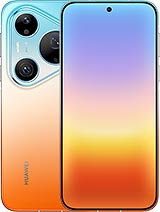
Pura 90 Pro Max
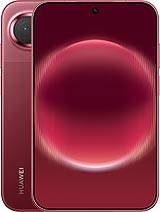
Pura X View
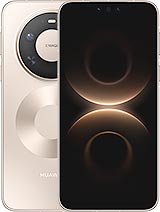
Mate 80 Pro Max Wind
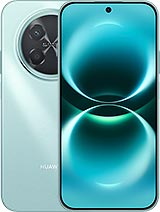
Enjoy 90 Pro Max
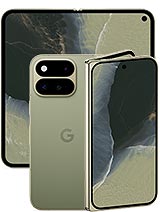
Pixel 11 Pro Fold