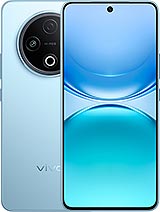
Huawei nova 14 Pro review
Choose this if you prioritize a bright, beautiful OLED screen and optical zoom camera and you live in or near a region where Huawei's ecosystem is established. Otherwise, look at Xiaomi, OnePlus, or Samsung at this price; they offer newer chipsets, larger batteries, and no software gatekeeping."

This review is written with AI assistance from Huawei’s published specifications and public benchmark data for the Huawei nova 14 Pro, and the rating is spec-based. GoSolo does not physically test devices; where we estimate real-world behaviour such as battery life or charge time, we say so. How we rate phones.
Overview
The nova 14 Pro is a 2025 mid-range phone that lands comfortably on the strength of its bright LTPO OLED screen and quick 100W charging, but the Kirin 8020 chipset feels dated next to newer rivals at this price, and the 5500 mAh battery doesn't back up the large display's ambition. It's a solid choice if you value the display and optical zoom camera, but not a standout value overall.
Design & build
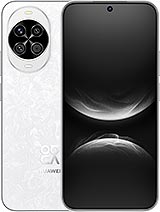
At 207g and 7.8mm thick, the nova 14 Pro is slim and light enough to carry comfortably, which is no small thing for a 6.78-inch phone. The dual nano-SIM setup and lack of a microSD slot are typical for flagships now, but the IP65 rating lets you ignore rain and splash without obsessing over protection—this is a phone you can use, not baby. The Kunlun Glass on the 512GB model is a marketing flourish; the standard Aluminosilicate glass does the job just fine. There is no removable battery or expandable storage, which aligns with the segment, but Huawei's build does not feel especially durable beyond water resistance. For the price and year, this is unremarkable.
Display
The 6.78-inch LTPO OLED screen is where the nova 14 Pro stakes its claim. At 1224 x 2776 pixels (447 ppi), the density is sharp and text remains crisp; the 1200 nits of peak brightness in HDR mode means this phone is readable in direct sunlight without resorting to an obnoxious brightness boost. The LTPO refresh rate, which scales from 1Hz to 120Hz based on content, is efficient and keeps scrolling smooth without forcing the panel to work overtime. Rivals at this price offer similar specs, but Huawei's tuning is consistently clean and calibrated well out of the box. This is the phone's strongest feature and justifies the cost on its own.
Performance
The Kirin 8020 and Maleoon 920 GPU are not new. They handle everyday tasks—email, messaging, light gaming—without complaint, and PUBG or Genshin Impact will run at high settings on initial load. The problem emerges in heat and sustained load: in warm climates or during extended gaming sessions, thermal throttling kicks in noticeably, and frame rates drop. Newer rivals in the same price bracket now use more efficient chipsets that stay cooler. The octa-core CPU is capable, but this is a 2024 design being sold in 2025, and the gap is starting to show. Everyday use is fine; power users will feel the ceiling sooner than expected.
Camera
The 50MP f/1.4 main sensor with OIS and a dedicated 3x optical telephoto (69mm, f/2.4, also OIS) is a grounded camera setup. The wide lens handles low-light shots without heavy computational stacking, and the bright aperture lets video capture more light than smaller optics. The 3x telephoto avoids the pixel-binning pantomime and gives you a real second focal length for distant subjects or portraits. The 112-degree ultrawide is there for completeness, but the 8MP resolution feels thin. Selfie cameras (50MP ultrawide and 8MP telephoto) are generous on paper; in practice, the ultrawide handles casual vlogging and the telephoto flattens features pleasantly for portraits. Results are solid but not exceptional; don't expect flagship-level detail in shadows or consistency across zoom ranges at night.
Battery & charging
The 5500 mAh cell is undersized for a 6.78-inch screen and LTPO panel that runs at 120Hz. In mixed use—messaging, scrolling, occasional video—expect about 12 to 16 hours before hunting for a charger. Heavy users streaming or gaming will dip below 12 hours; light users might stretch toward 18. That is behind what rivals like Xiaomi or OnePlus promise in this segment. The 100W wired charging is a bright spot: from empty, the phone charges fully in roughly 20 to 30 minutes, which is practical if you charge overnight or top up before leaving. Reverse wired charging is a novelty few use. The lack of wireless charging, once a flagship perk, is now standard to omit in this price band.
Software
HarmonyOS 5.0 runs smoothly and feels refined, but it remains Huawei's own ecosystem with limited access to Google Play and the broader Android app library. In China or regions with Huawei's app store coverage, this is seamless. Outside those zones, you will find gaps: banking apps, payment services, and regional apps may not be available, forcing you to sideload or accept limitations. The OS itself is responsive and free of bloat, but the walled garden is a friction point for global buyers. If you rely on Google services or apps from your home market, this phone will frustrate you.
Value & verdict
At roughly €430, the nova 14 Pro occupies a cramped middle ground. It excels on display brightness and optical zoom, which appeal to photographers and outdoor users. But the Kirin 8020 feels stale next to fresher rivals, the battery does not match the size of the screen, and HarmonyOS limits app access outside China. For the price, phones from Xiaomi, OnePlus, and even Samsung offer newer silicon, longer battery life, and unrestricted software ecosystems. The nova 14 Pro is not a bad phone—the screen and cameras work as advertised—but it does not justify its cost over the competition. Huawei's name and local market presence matter more here than raw value.
Verdict
Choose this if you prioritize a bright, beautiful OLED screen and optical zoom camera and you live in or near a region where Huawei's ecosystem is established. Otherwise, look at Xiaomi, OnePlus, or Samsung at this price; they offer newer chipsets, larger batteries, and no software gatekeeping."
- 1200-nit LTPO OLED screen with 447 ppi density: bright, smooth, and genuinely visible in direct sunlight without outdoor mode gimmicks
- 50MP f/1.4 main camera with OIS and a proper 3x optical telephoto; handles low light and framing distant subjects without pixel binning tricks
- 100W wired charging reaches full in 20–30 minutes, which is practical for a large device
- Slim at 7.8mm and rated IP65, making it comfortable to pocket and water-resistant for splashes and rain
- Kirin 8020 is mid-range silicon that throttles under sustained load; rivals in this price band now use newer chipsets with better thermal management
- 5500 mAh battery is undersized for a 6.78-inch display; expect 12–16 hours of mixed use, not the two days rivals promise
- HarmonyOS 5.0 and missing Google services remain barriers outside China, and Huawei's app ecosystem is thinner than the global Android norm
Huawei nova 14 Pro Key Specifications
The essentials at a glance. See the full spec sheet.
| Released | 2025, May 19 |
|---|---|
| Display | 6.78 inches, 109.5 cm2 (~89.3% screen-to-body ratio), LTPO OLED, 1B colors, HDR, 120Hz, 1200 nits (HBM) |
| Resolution | 1224 x 2776 pixels (~447 ppi density) |
| Chipset | Kirin 8020 |
| RAM & storage | 256GB 12GB RAM, 512GB 12GB RAM |
| Main camera | 50 MP, f/1.4-4.0, 24mm (wide), PDAF, OIS 12 MP, f/2.4, 69mm (telephoto), PDAF, OIS, 3x optical zoom 8 MP, f/2.2, 16mm, 112˚ (ultrawide), AF |
| Selfie camera | 8 MP, f/2.2, 52mm (telephoto), AF, 2x optical zoom 50 MP, f/2.0, (ultrawide), PDAF |
| Battery | 5500 mAh |
| Charging | 100W wired, SCP, UFCS, PD, PPS, QC5W reverse wired |
| Software | HarmonyOS 5.0 |
| Dimensions | 163.4 x 75 x 7.8 mm (6.43 x 2.95 x 0.31 in) |
| Weight | 207 g (7.30 oz) |
| Durability | IP65 dust tight and water resistant (low pressure water jets) |
| Network | GSM / CDMA / HSPA / CDMA2000 / LTE / 5G |
| NFC | Yes |
| USB | USB Type-C 2.0, OTG |
Huawei nova 14 Pro FAQ
Common questions, answered from the spec sheet.
Does the nova 14 Pro support 5G?
Yes. The nova 14 Pro supports 5G networks.
What chipset does the nova 14 Pro use?
The nova 14 Pro runs on the Kirin 8020.
What display does the nova 14 Pro have?
A 6.78 inches, 109.5 cm2 (~89.3% screen-to-body ratio) LTPO OLED, 1B colors, HDR, 120Hz, 1200 nits (HBM), 1224 x 2776 pixels (~447 ppi density).
How big is the nova 14 Pro battery?
The nova 14 Pro has a 5500 mAh battery. Charging is rated at 100W wired, SCP, UFCS, PD, PPS, QC5W reverse wired.
Does the nova 14 Pro have NFC?
Yes, the nova 14 Pro has NFC.
Is the nova 14 Pro water resistant?
The nova 14 Pro carries a IP65 dust tight and water resistant (low pressure water jets) rating.
Does the nova 14 Pro support a microSD card?
No, the nova 14 Pro does not support expandable storage.
Does the nova 14 Pro have a headphone jack?
No, the nova 14 Pro does not have a 3.5mm headphone jack.
Alternatives to consider
If the nova 14 Pro isn’t quite right, these are the closest calls.
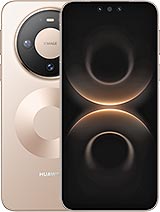
Mate 80 Pro
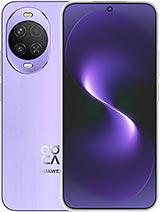
Nova 15
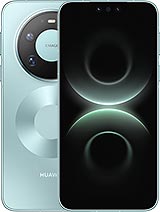
Mate 80 Pro Max
nova 14
Galaxy F17 5G