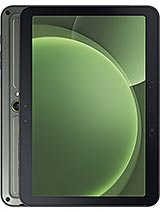
Honor Pad 20 review
The Honor Pad 20 suits someone who values a genuinely portable, well-built tablet for media and light work and is willing to forgo strong camera and charging speed to get it. Those seeking a versatile creative tool or faster charging should look elsewhere.
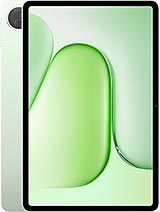
This review is written with AI assistance from Honor’s published specifications and public benchmark data for the Honor Pad 20, and the rating is spec-based. GoSolo does not physically test devices; where we estimate real-world behaviour such as battery life or charge time, we say so. How we rate phones.
Overview
The Honor Pad 20 is a slim, lightweight 12.1-inch tablet built for portability and everyday media consumption, with a sharp display and capable processor that handle routine tasks with no fuss. At €270, it punches reasonably for the price, though its camera and charging speed feel like afterthoughts for a device that costs this much.
Design & build
At 525g and 6.3mm thin, this tablet is genuinely light and pocketable by tablet standards—more like carrying a magazine than a device. The glass front, aluminum frame, and aluminum back feel composed, though glass on both sides does invite fingerprints and adds a layer of fragility you would not mind on a more rugged option. The 12.1-inch size hits a sweet spot: large enough for real work and video, small enough to hold one-handed without strain. Stylus support is present (though the stylus itself carries extra cost), which matters for note-taking and light creative work. Build quality is tidy and thoughtful, if unremarkable—this is a tablet that works out of the box, not one that turns heads.
Display
The 1872 x 3000 IPS LCD display runs at 120Hz and hits 700 nits, delivering crisp text and video at 292 ppi. For a tablet at this price, it is more than competent: colors are neutral and punchy without the exaggeration of OLED, brightness is strong enough for outdoor use, and the 16:10 aspect ratio is properly proportioned for consuming content and working in split-screen. HDR Vivid support lends a bit of polish for streaming apps. There is no refresh rate beyond 120Hz and no OLED, but for a €270 machine, asking for either would be wishful thinking. This is a display that disappears—it does its job without claiming credit.
Performance
The Snapdragon 7 Gen 3 is an upper-midrange chip that handles Android and tablet workloads with ease. Apps open fast, multitasking is seamless, and games that do not demand the absolute latest rendering run without stutter. This is not a flagship processor, but it is well-matched to the tablet form factor, where sustained graphics load is typically lower than on a phone. The Adreno 720 GPU is capable enough for media and casual gaming. RAM tiers go up to 12GB, which is overkill for most tablet tasks but welcome if you run many apps at once. For productivity—email, documents, streaming, note-taking—this tablet never feels slow. Only users running demanding 3D games or professional video editing will notice the ceiling.
Software
Android 16 with Honor's MagicOS 10 runs here, and the experience is clean and practical. MagicOS adds minor tweaks and optimizations without the heavy customization that clutters some Chinese skins. Updates are Honor's responsibility, not Samsung or Apple's, so longevity depends on how seriously the company treats tablet support—historically mixed. The software itself is not a drawback, but it is not a marquee strength either. What you get is a functional, reasonably stock Android experience with modest value-adds.
Camera
An 8MP wide camera on both front and back is below expectations for a €270 tablet in 2026. Photos look soft and lack detail; low light is visibly grainy; and video caps at 1080p@30fps. On a device with this much screen real estate, these cameras feel like an afterthought, suited only for quick Zoom calls or scanning documents. If you plan to shoot with this tablet, you will be disappointed. That said, most tablet buyers do not prioritize camera quality, and Honor's positioning this as a media and productivity device, not a photography tool. Still, a more competent sensor would have rounded out the package noticeably.
Battery & charging
The 10100mAh battery is substantial, and you can expect a full day of mixed use—streaming, browsing, light work—without hunting for an outlet. Standby time is strong. The spec sheet notes 45W charging support (inferred from the miscellaneous note), which is middle-of-the-road; rivals at this price hit 65W or higher now, so refilling from empty takes noticeably longer than it could. Expect roughly 1.5 to 2 hours to reach full charge from zero. For a tablet that spends most of its time sitting on a desk or in a bag, slower charging is less painful than on a phone, but it is still a minor friction point.
Value & verdict-context
At €270, the Honor Pad 20 occupies an awkward middle ground. It is light, slim, and well-designed, with a solid display and processor that handle everyday tablet tasks without complaint. But its cameras are weak, charging is leisurely, and it has no microSD slot to ease storage constraints. You are paying for portability and build quality first, performance second, and media capabilities third. For someone who wants a thin, light tablet for reading, streaming, and light productivity—and who values the tactile experience of holding something truly slim—this is a reasonable pitch. But if you want a versatile media and creation tool, or a tablet with fast charging, you will find better use for the money elsewhere. The Pad 20 is honest about what it is: a premium-feeling portable screen, not a powerhouse.
Verdict
The Honor Pad 20 suits someone who values a genuinely portable, well-built tablet for media and light work and is willing to forgo strong camera and charging speed to get it. Those seeking a versatile creative tool or faster charging should look elsewhere.
- Slim and light (525g, 6.3mm) without sacrificing a 12.1-inch display, making it genuinely pocketable by tablet standards
- Sharp, bright IPS LCD display with 120Hz refresh and 700 nits brightness, practical for reading and video on the move
- Snapdragon 7 Gen 3 handles multitasking and everyday apps without lag, matched well to tablet workloads
- Stylus support for note-taking and light creative work, without bloating the design
- 8MP cameras front and back are below par for a €270 tablet; low detail, soft focus, and capped at 1080p video
- 45W charging is slower than rivals at this price; expect 1.5–2 hours to full charge
- No microSD slot limits expandability; base storage is 128GB
Honor Pad 20 Key Specifications
The essentials at a glance. See the full spec sheet.
| Released | 2026, May 12 |
|---|---|
| Display | 12.1 inches, 424.2 cm2 (~85.4% screen-to-body ratio), IPS LCD, 1B colors, 120Hz, HDR Vivid, 700 nits |
| Resolution | 1872 x 3000 pixels, 16:10 ratio (~292 ppi density) |
| Chipset | Qualcomm SM7550-AB Snapdragon 7 Gen 3 (4 nm) |
| RAM & storage | 128GB 6GB RAM, 128GB 8GB RAM, 256GB 8GB RAM, 256GB 12GB RAM |
| Main camera | 8 MP, f/2.0, (wide), AF |
| Selfie camera | 8 MP, f/2.0, (wide) |
| Battery | 10100 mAh |
| Software | Android 16, MagicOS 10 |
| Dimensions | 277.1 x 179.3 x 6.3 mm (10.91 x 7.06 x 0.25 in) |
| Weight | 525 g (1.16 lb) |
| Build | Glass front, aluminum frame, aluminum back |
| Durability | Stylus support |
| Network | LTE / 5G |
| NFC | No |
| USB | USB Type-C |
Honor Pad 20 FAQ
Common questions, answered from the spec sheet.
Does the Pad 20 support 5G?
Yes. The Pad 20 supports 5G networks.
What chipset does the Pad 20 use?
The Pad 20 runs on the Qualcomm SM7550-AB Snapdragon 7 Gen 3 (4 nm).
What display does the Pad 20 have?
A 12.1 inches, 424.2 cm2 (~85.4% screen-to-body ratio) IPS LCD, 1B colors, 120Hz, HDR Vivid, 700 nits, 1872 x 3000 pixels, 16:10 ratio (~292 ppi density).
How big is the Pad 20 battery?
The Pad 20 has a 10100 mAh battery.
Does the Pad 20 have NFC?
No, the Pad 20 does not list NFC support.
Is the Pad 20 water resistant?
The Pad 20 carries a Stylus support rating.
Does the Pad 20 support a microSD card?
No, the Pad 20 does not support expandable storage.
Alternatives to consider
If the Pad 20 isn’t quite right, these are the closest calls.
Pad 20 Pro
Pad X10 Pro Max
Pad 10 Pro
Pad X8b
Moto Pad 70 Groove