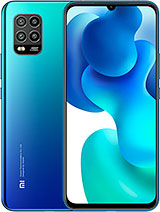
Google Pixel 4a review
The Pixel 4a suits someone who takes photos every day, values Android updates, and doesn't mind charging nightly or carrying a power bank. If battery endurance, charging speed, or camera zoom are non-negotiable, look elsewhere—and honestly, by 2024, most people with those needs are not on a tight budget anyway."
This review is written with AI assistance from Google’s published specifications and public benchmark data for the Google Pixel 4a, and the rating is spec-based. GoSolo does not physically test devices; where we estimate real-world behaviour such as battery life or charge time, we say so. How we rate phones.
Overview
The Pixel 4a is a lightweight, compact phone built around a genuinely good 12MP camera and three years of guaranteed software updates—compelling for someone who shoots photos daily and stays in the Android ecosystem, but the 3140mAh battery runs dry fast and 18W charging feels glacial by modern standards.
Design & build
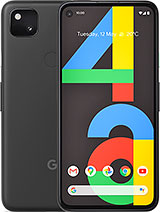
At 143 grams and 8.2mm thick, the Pixel 4a is one of the smallest current smartphones, fitting pockets most modern phones won't. The glass front is solid enough, but the plastic frame and back are a trade-down from metal: they dent more easily and feel less refined, though they do make the phone cheaper and not noticeably less durable for everyday drops. The just-black and barely-blue finishes are matte and grip well. For someone who values size over perceived ruggedness, this is a genuine strength—don't mistake plasticity for fragility.
Display
The 5.81-inch 1080p OLED screen is genuinely sharp at 443 ppi and colors pop with the depth you expect from organic pixels. Text is crisp, scrolling is smooth, and outdoor visibility is solid in daylight because OLED blacks don't wash out. The 19.5:9 aspect ratio was already stretched by 2020 standards and feels narrow-ish next to modern 20:9 phones, but the 83% screen-to-body ratio is efficient. One honest weakness: no high refresh rate. The Snapdragon 730G and 6GB RAM can't sustain 120Hz anyway, so 60Hz is the right call, but by late 2020 rivals at half the price were shipping 90Hz displays. That omission stings more now than it did then.
Performance
The Snapdragon 730G is a mid-range chip from 2019. It powers everyday tasks—messaging, email, photo browsing, maps, web browsing—without hiccups, and 6GB of RAM keeps app-switching snappy. Demanding games at high detail will stutter; 3D titles need reduced settings to stay smooth. Most people who buy this phone don't game heavily, so that is fine. The 128GB storage is unchangeable (no microSD), which matters if you shoot 4K video or stash movies for travel. For photos and apps alone, you'll be comfortable.
Camera
This is where the 4a earns its respect. The single 12.2MP sensor with f/1.7 aperture, optical stabilization, and dual-pixel autofocus produces well-exposed, sharp photos in difficult light without needing a zoom lens. Google's computational photography (Pixel Shift for HDR, Night Sight) runs circles around the chip's actual power—it's software doing the heavy lifting. The selfie camera is 8MP and adequate but unremarkable. The absence of a telephoto feels limiting now; a decade ago, one good wide lens was enough. Video caps at 4K 30fps with gyro stabilization, not optical, so pans wobble slightly. For someone who takes photos daily but doesn't need zoom, this camera is better than any single-lens flagship rival from 2020. For everyone else, it's a comfortable fit.
Battery & charging
The 3140mAh battery is the Pixel 4a's real Achilles' heel. With moderate use—messaging, casual browsing, a few photos—you'll hit mid-evening before needing to charge. Heavy social media, navigation, or video will drain it by late afternoon. In 2020, a full-day phone was table stakes; the 4a is not one. The 18W USB-C charger pushes power at PD 2.0 and takes about 60–75 minutes to full, which is pedestrian. By 2024, rivals at the same price hit 100W and charge in 30 minutes. This is a genuine gap. If you work from home or have access to a charger during the day, it's tolerable. If you travel or commute, you will feel the limit.
Software
Android 10 out of the box, upgradable to Android 13, with guaranteed updates for at least three years—a concrete promise Google keeps. There is no bloatware, no carrier cruft, no launcher skin. What you get is stock Android, clean and straightforward. For someone accustomed to Samsung's OneUI or Xiaomi's MIUI, the simplicity can feel sparse, but that is the design. It also means the phone ages well: it won't slow down with software bloat the way heavily customized phones do. The long-term update pledge is one reason people buy Pixel phones, and the 4a delivers on that promise.
Value & verdict context
The Pixel 4a launched at around 350 USD and now sells for about 90 EUR used or discounted—a mid-range price for a phone that was deliberately positioned as a step below the flagship. That pricing strategy makes sense: you get a good camera and clean software without paying flagship money for a flagship chip. The trade-offs are real: small battery, plastic build, no high refresh, no ultrawide, no 5G. They are not dealbreakers for the kind of person who buys this phone, but they do define its limits. A buyer in 2024 or 2025 should understand that this is a phone from 2020; the battery will age unevenly, and charging speed will feel slow after time spent with newer devices. The camera and software remain genuinely good investments, but time wears.
Verdict
The Pixel 4a suits someone who takes photos every day, values Android updates, and doesn't mind charging nightly or carrying a power bank. If battery endurance, charging speed, or camera zoom are non-negotiable, look elsewhere—and honestly, by 2024, most people with those needs are not on a tight budget anyway."
- Compact and light (143g), fits pockets most modern phones won't
- Camera produces sharp, well-exposed photos in mixed light without zoom; Pixel Shift and Night Sight deliver results no rival single-lens phone matched in 2020
- Stock Android with guaranteed three-year updates; no bloat, ages well
- Battery drains to empty by evening with moderate use; 18W charging takes 60–75 minutes, slow by any standard
- Plastic frame and back dent easily, less premium than metal or glass rivals even in the same price tier
- No high-refresh display, no ultrawide camera, no 5G—by late 2020, these were becoming standard even at mid-range
Google Pixel 4a Key Specifications
The essentials at a glance. See the full spec sheet.
| Released | 2020, August 03 |
|---|---|
| Display | 5.81 inches, 83.2 cm2 (~83.3% screen-to-body ratio), OLED, HDR |
| Resolution | 1080 x 2340 pixels, 19.5:9 ratio (~443 ppi density) |
| Chipset | Qualcomm SDM730 Snapdragon 730G (8 nm) |
| RAM & storage | 128GB 6GB RAM |
| Main camera | 12.2 MP, f/1.7, 27mm (wide), 1/2.55", 1.4µm, dual pixel PDAF, OIS |
| Selfie camera | 8 MP, f/2.0, 24mm (wide), 1.12µm |
| Battery | 3140 mAh |
| Charging | 18W wired, PD2.0 |
| Software | Android 10, upgradable to Android 13 |
| Dimensions | 144 x 69.4 x 8.2 mm (5.67 x 2.73 x 0.32 in) |
| Weight | 143 g (5.04 oz) |
| Build | Glass front (Gorilla Glass 3), plastic back, plastic frame |
| Network | GSM / HSPA / LTE |
| NFC | Yes |
| USB | USB Type-C 3.1 |
Google Pixel 4a FAQ
Common questions, answered from the spec sheet.
Does the Pixel 4a support 5G?
No. The Pixel 4a tops out at GSM / HSPA / LTE, without 5G.
What chipset does the Pixel 4a use?
The Pixel 4a runs on the Qualcomm SDM730 Snapdragon 730G (8 nm).
What display does the Pixel 4a have?
A 5.81 inches, 83.2 cm2 (~83.3% screen-to-body ratio) OLED, HDR, 1080 x 2340 pixels, 19.5:9 ratio (~443 ppi density).
How big is the Pixel 4a battery?
The Pixel 4a has a 3140 mAh battery. Charging is rated at 18W wired, PD2.0.
Does the Pixel 4a have NFC?
Yes, the Pixel 4a has NFC.
Does the Pixel 4a support a microSD card?
No, the Pixel 4a does not support expandable storage.
Does the Pixel 4a have a headphone jack?
Yes, the Pixel 4a has a 3.5mm headphone jack.
Alternatives to consider
If the Pixel 4a isn’t quite right, these are the closest calls.
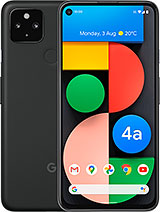
Pixel 4a 5G
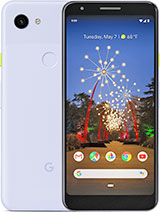
Pixel 3a
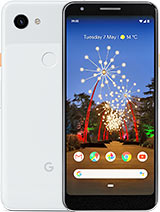
Pixel 3a XL
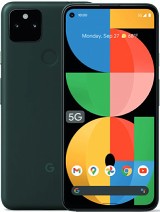
Pixel 5a 5G

Galaxy A71