Geotel G1 review
This phone belongs in a museum of budget phones from the mid-2010s, not in anyone's pocket in 2024. If you somehow still have one and it boots, use it as a backup or loan phone; do not rely on it for anything that matters."
This review is written with AI assistance from Geotel’s published specifications and public benchmark data for the Geotel G1, and the rating is spec-based. GoSolo does not physically test devices; where we estimate real-world behaviour such as battery life or charge time, we say so. How we rate phones.
Overview
The Geotel G1 is a 2017 budget phone with the endurance (7500 mAh) to outlast most modern rivals, but it pairs that with a processor, display, and software stack that feel ancient. It's only honest to call it a basic workhorse for users in markets where a cheap phone that runs for days matters more than snappiness or a decent screen.
Design and Build
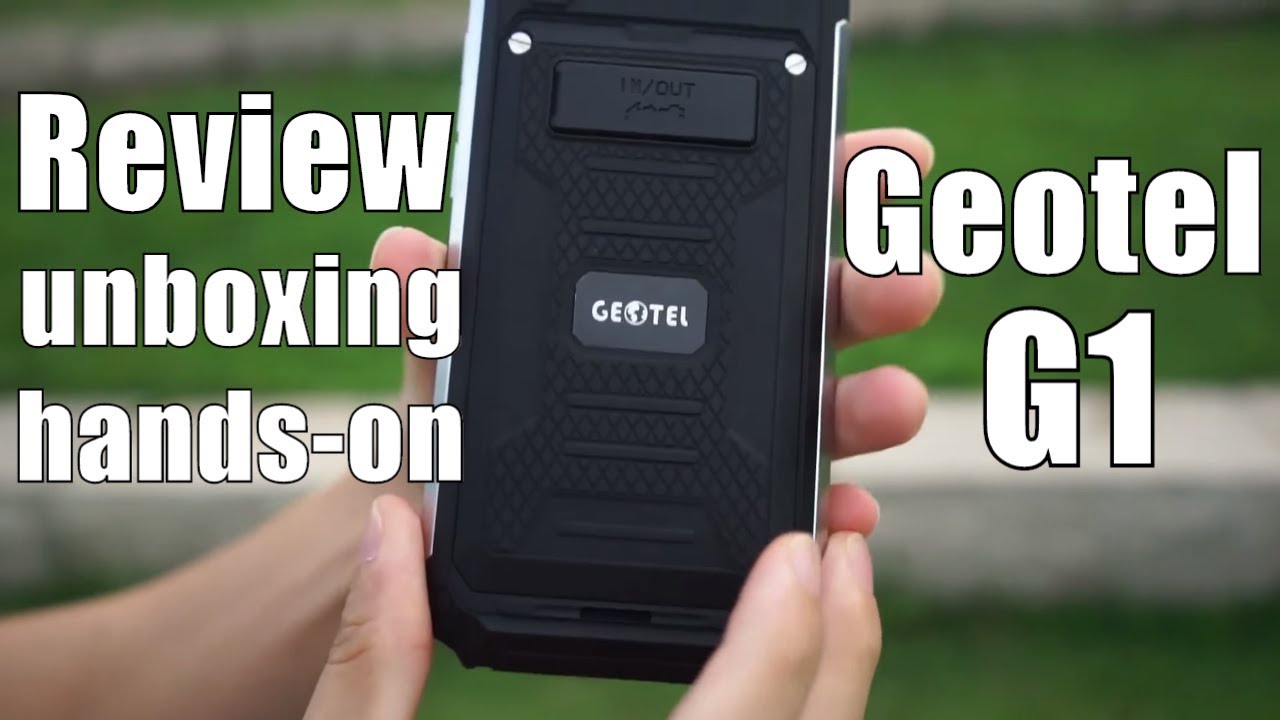
The G1 is a straightforward brick: 270 grams, 17.5 mm thick, with a 5-inch frame that was already chunky in 2017. The weight is reasonable given the 7500 mAh battery—you are not carrying much more than a phone of that capacity would cost in physics. Dual SIM and microSD slots show this device was built for emerging markets where storage is a luxury and carrier flexibility matters. No premium materials here, just plastic and pragmatism. It looks exactly like what it is: an affordable workhorse from seven years ago.
Display
The 5-inch IPS TFT screen delivers 720×1280 resolution at 245 ppi. For context, flagship phones in 2017 were hitting 1440p; entry-level devices from the same year usually managed 1080p. This screen is grainy by any reasonable standard, and text rendering suffers noticeably. Brightness and color accuracy are typical for IPS TFT, not bad, but the pixel density makes everyday use feel visibly behind. If you spend time reading or reading messages, you will feel this weakness daily.
Performance
The MediaTek MT6580 with 1.3 GHz quad-core and Mali-400 MP2 GPU is a 2014 chip. By 2017, it was already three generations old. Pair it with 2 GB of RAM and 16 GB of storage (much of which the OS claims), and you have a device that handles basic calls, messaging, and simple browsing, but stutters under any real load. Gaming is out of the question. Multitasking means closing apps to make room. This is not a phone you upgrade to; it is a phone you accept the limits of.
Software
Android 7.0 Nougat shipped in 2016, so the G1 was already running two-year-old software on release. Security patches would have dried up long ago. Modern Android APIs and optimizations passed it by; any app that demands current dependencies will refuse to install. If you still own a G1, you are using it offline or with extreme caution on unimportant accounts. By 2024 standards, it is a relic from an era when software support lasted months, not years.
Battery and Charging
Here is where the G1 has a genuine advantage: 7500 mAh is genuinely unusual, even in 2024. That capacity should deliver two to three days of light use or a full day of heavy use—rare endurance that justifies the device's weight and thickness. The spec sheet does not list charging wattage, which suggests it is slow (likely 5W); you will need a full night to refill. That trade-off—days between charges but hours to charge—is the defining bargain of this phone.
Value and Verdict
In 2017, the G1 sat at the absolute bottom of the market: a phone for users who needed durability, battery life, and SIM flexibility over performance. Seven years later, it has no value. The hardware was weak on launch day. The software is unsupported. Even a cheap phone today offers better screens, faster chips, and security updates. The only honest audience for a G1 in 2024 would be someone in a region with no electricity grid who values a device that runs for a week per charge above all else—and even then, better options exist.
Verdict
This phone belongs in a museum of budget phones from the mid-2010s, not in anyone's pocket in 2024. If you somehow still have one and it boots, use it as a backup or loan phone; do not rely on it for anything that matters."
- Exceptional 7500 mAh battery—still rare and significantly outlasts phones from every tier today
- Thin enough for its class (17.5 mm) and not excessively heavy for the battery capacity
- microSD slot allows up to 64 GB expansion, essential flexibility for storage-constrained devices
- Dual SIM support adds practical appeal for multi-carrier or work-personal use
- MediaTek MT6580 from 2014 is underpowered even by 2017 standards; basic tasks stutter
- 720×1280 on a 5-inch screen is low-end even for its era; text looks grainy and apps feel dated
- Only 2 GB RAM and 16 GB storage (with no swap space) means sluggish multitasking and constant storage pressure
Geotel G1 Key Specifications
The essentials at a glance. See the full spec sheet.
| Released | 1Q 2017 |
|---|---|
| Display | 5.00 inches, Color / IPS TFT16,7M colors, 60 Hz720 x 1280 px (5.00") 245 ppi∼54.8% screen-to-body ratio |
| Resolution | 720 x 1280 pixels |
| Chipset | MediaTek MT6580Processor clock: 1.30 GHzNumber of cores: 4GPU: ARM Mali-400 MP2 500 MHz |
| RAM & storage | 16 GBBuy memory card RAM: 2 GB |
| Battery | 7500 mAh |
| Software | Android7.0 Nougat |
| Dimensions | 156.60 x 80.30 x 17.50 mm |
| Weight | 270.00 g |
Geotel G1 FAQ
Common questions, answered from the spec sheet.
What chipset does the Geotel G1 use?
The Geotel G1 runs on the MediaTek MT6580Processor clock: 1.30 GHzNumber of cores: 4GPU: ARM Mali-400 MP2 500 MHz.
What display does the Geotel G1 have?
A 5.00 inches Color / IPS TFT16,7M colors, 60 Hz720 x 1280 px (5.00") 245 ppi∼54.8% screen-to-body ratio, 720 x 1280 pixels.
How big is the Geotel G1 battery?
The Geotel G1 has a 7500 mAh battery.
Does the Geotel G1 support a microSD card?
Yes, the Geotel G1 supports expandable storage (microSD, microSDHC, microSDHC (up to 64 GB)).
Alternatives to consider
If the Geotel G1 isn’t quite right, these are the closest calls.

Geotel G9000

Geotel Amigo

Geotel A1

Geotel Note
F3