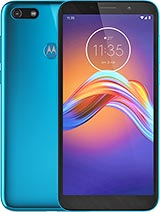
BLU Studio Mega 2019 review
The Studio Mega 2019 suits someone in a market where swappable batteries and offline expandability matter more than app speed and camera quality. Anyone else should look elsewhere, even in the budget tier; rivals from 2019 offered better performance for the same outlay, and prices have fallen so far that today a used phone from a year or two later gives far more capability per dollar."
This review is written with AI assistance from BLU’s published specifications and public benchmark data for the BLU Studio Mega 2019, and the rating is spec-based. GoSolo does not physically test devices; where we estimate real-world behaviour such as battery life or charge time, we say so. How we rate phones.
Overview
The BLU Studio Mega 2019 is a budget phone from 2019 that pairs a spacious 6-inch display with truly primitive specs: 2GB RAM, a 1.6 GHz Cortex-A55, and a 3000 mAh battery. It was cheap and had a headphone jack, but even for the budget tier at the time it was already behind the pace.
Design & build
The Studio Mega 2019 is a relatively light 181 grams and thin at 9.6 mm, proportions that suited a budget phone at the time. The 6-inch IPS LCD display occupies about 74% of the front, a respectable ratio for 2019. There is no detail on the build material, but the price point and discontinuation suggest it used plastic throughout. Functionally, the removable battery and microSD slot were genuine conveniences that have since vanished from almost all phones, even budget ones. By 2019, keeping these features was a minority stance, which signals BLU's target audience was users in markets where offline upgrades and long device lifespans mattered.
Display
At 268 ppi, the 720 x 1440 pixel IPS LCD is not sharp; text and fine detail lack crispness. For comparison, mid-range rivals in 2019 were already hitting 400 ppi on smaller screens or moving to higher resolutions on larger ones. The 6-inch size is useful for video and reading, and the 18:9 ratio was modern for the era. Colors and viewing angles are typical of IPS—adequate but not vibrant. For an 80 EUR phone, a sharper panel would have required trimming elsewhere, so this was the necessary trade-off.
Performance
The Cortex-A55 CPU at 1.6 GHz paired with 2GB RAM was a bottleneck even in 2019. Android 9 Pie ran, but lag during app switching and basic multitasking was noticeable and persistent. The 32GB storage filled up fast with the OS and a few apps, leaving almost no room for photos or media without offloading to the microSD card. The IMG8322 GPU is entry-level and struggled with any demanding graphics. This chipset and RAM combo belonged to phones released 2-3 years earlier; by late 2019, budget devices with MediaTek Helio A22 or Snapdragon 215 were standard, offering noticeably better performance for the same money.
Software
Android 9 Pie shipped on the device, and there is no record of major updates. Security patches likely stopped within a year or two. The OS itself is responsive where the hardware permits, but the RAM ceiling means multiple apps in the background will slow things down. For buyers in regions where frequent OS updates matter less than longevity and offline utility, the removable battery and expandable storage were practical safeguards against forced obsolescence.
Camera
The 13 MP main sensor with autofocus and LED flash is basic but functional for a budget phone. Output in daylight is acceptable, though detail is soft and noise rises quickly in dim light. The 8 MP selfie camera with flash is adequate for video calls and casual snaps. There is no ultra-wide or telephoto, and the 1080p@30fps video is standard for the price. In 2019, this camera setup was not a weakness—budget phones at this tier all offered similar specs and similar results. Do not expect detail or dynamic range; this is a point-and-shoot camera in smartphone form.
Battery & charging
The 3000 mAh battery is undersized for a 6-inch phone and modest LTE usage. In practice, a full day without careful management was unlikely, and two days was out of reach. Standby claims of 525 hours on 3G and talk time of 15 hours are misleading in a smartphone context; real-world usage under LTE drains the battery significantly faster. Charging speed is not specified, and microUSB 2.0 was already dated by 2019, taking hours to refill. The redeeming feature is that the battery is removable: a user could carry a spare and swap it out, a practical lifeline for those without reliable access to charging throughout the day.
Value & verdict-context
At approximately 80 EUR in 2019, the Studio Mega was a no-frills budget phone aimed at users in price-sensitive markets who valued screen size and offline expandability over speed and refinement. The removable battery and microSD slot were its calling cards—features that competitors had dropped to chase thinness and perceived modernity. The performance, though weak, was tolerable for calls, texts, basic web browsing, and light apps. However, by mid-2019, rivals with similar dimensions and price offered faster processors, more RAM, and faster charging. The Studio Mega 2019 felt behind the curve even in its own price tier, and its discontinuation confirms it did not resonate widely. It was a phone for a very specific buyer: someone in a market with spotty charging infrastructure who valued a removable battery over performance. Today it is obsolete, though the design philosophy of offline-friendly durability holds appeal in regions where it applies.
Verdict
The Studio Mega 2019 suits someone in a market where swappable batteries and offline expandability matter more than app speed and camera quality. Anyone else should look elsewhere, even in the budget tier; rivals from 2019 offered better performance for the same outlay, and prices have fallen so far that today a used phone from a year or two later gives far more capability per dollar."
- Large 6-inch display with an 18:9 aspect ratio, useful screen space for its class and time
- Removable battery and microSD expansion, a rarity even in 2019
- Headphone jack and FM radio still present
- Dual SIM support for regional flexibility
- Only 2GB RAM and 32GB storage made the phone lag and clog quickly, even by 2019 budget standards
- 3000 mAh battery is undersized for a 6-inch phone, delivering sub-par endurance
- Cortex-A55 at 1.6 GHz was underpowered; even entry-level competitors from that year offered more capable chipsets
BLU Studio Mega 2019 Key Specifications
The essentials at a glance. See the full spec sheet.
| Released | 2019, September. Released 2019, September |
|---|---|
| Display | 6.0 inches, 92.9 cm2 (~73.8% screen-to-body ratio), IPS LCD |
| Resolution | 720 x 1440 pixels, 18:9 ratio (~268 ppi density) |
| RAM & storage | 32GB 2GB RAM |
| Main camera | 13 MP, AF |
| Selfie camera | 8 MP |
| Battery | 3000 mAh |
| Software | Android 9.0 (Pie) |
| Dimensions | 161.4 x 78 x 9.6 mm (6.35 x 3.07 x 0.38 in) |
| Weight | 181 g (6.38 oz) |
| Network | GSM / HSPA / LTE |
| NFC | No |
| USB | microUSB 2.0 |
BLU Studio Mega 2019 FAQ
Common questions, answered from the spec sheet.
Does the Studio Mega 2019 support 5G?
No. The Studio Mega 2019 tops out at GSM / HSPA / LTE, without 5G.
What display does the Studio Mega 2019 have?
A 6.0 inches, 92.9 cm2 (~73.8% screen-to-body ratio) IPS LCD, 720 x 1440 pixels, 18:9 ratio (~268 ppi density).
How big is the Studio Mega 2019 battery?
The Studio Mega 2019 has a 3000 mAh battery.
Does the Studio Mega 2019 have NFC?
No, the Studio Mega 2019 does not list NFC support.
Does the Studio Mega 2019 support a microSD card?
Yes, the Studio Mega 2019 supports expandable storage (microSDXC).
Does the Studio Mega 2019 have a headphone jack?
Yes, the Studio Mega 2019 has a 3.5mm headphone jack.
Alternatives to consider
If the Studio Mega 2019 isn’t quite right, these are the closest calls.
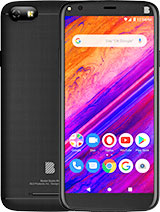
Studio Mini
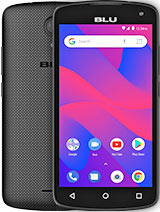
Studio X8 HD 2019

G5 Plus
Vivo X5
J2