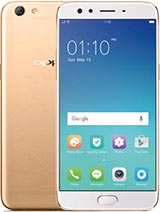
BLU Studio C 8+8 LTE review
The BLU Studio C 8+8 LTE is a relic of 2016 budget computing and serves no real purpose now. It might appeal only to someone replacing a much older phone and needing the absolute cheapest LTE handset on the used market, but even then, phones from 2017 and 2018 offer far better usability for similar coin.
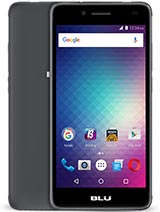
This review is written with AI assistance from BLU’s published specifications and public benchmark data for the BLU Studio C 8+8 LTE, and the rating is spec-based. GoSolo does not physically test devices; where we estimate real-world behaviour such as battery life or charge time, we say so. How we rate phones.
Overview
The BLU Studio C 8+8 LTE is a modest 2016 budget phone whose key selling point—dual 8MP cameras—was already unremarkable for its time. Slow processor, thin 1GB RAM, and Android 6.0 make it feel dated even on arrival, and there is little reason to consider it now unless you need rock-bottom cost and can live with sluggish performance.
Design & build
At 144mm tall and 143 grams, this is a genuinely pocketable phone—slim bezel design by 2016 standards and under three ounces make it one of the lighter handsets of that era. The 8.5mm thickness is respectable and the compact footprint appeals if you have small hands or prefer not to lug a brick. Dual Micro-SIM slots mean you can run two numbers at once, handy if your region or lifestyle calls for it. The one meaningful downside is the removable battery, which sounds quaint now but was actually a practical feature in 2016 when fast charging was still rare; being able to swap in a fresh cell was genuinely useful. Build quality is not spelled out in the specs, so assume plastic and modest durability for the price.
Display
The 5.0-inch LCD with 720p resolution is dim and dated by modern standards, but for a budget phone in 2016 it was adequate. At 294 ppi density, sharpness is borderline; text is legible but not crisp, and fine details blur if you look close. The 65.8 percent screen-to-body ratio means thick bezels all around, and the 16:9 aspect ratio wastes vertical space compared to the taller screens that would dominate a year later. Colors and brightness are not specified, so expect flat, washed-out viewing in sunlight. This is a display you use because it works, not because you enjoy it.
Performance
The MediaTek MT6735 is a quad-core chip from 2013 clocked at just 1.0GHz, and paired with only 1GB of RAM, the combination struggles with basic tasks. Opening apps takes a visible pause, scrolling through feeds lags, and any real multitasking—jumping between a browser, email, and messaging—causes the system to dump background apps and stutter. The Mali-T720 GPU is entry-level even by 2016 benchmarks, so gaming is not realistic beyond simple 2D titles. Rivals at similar price points offered better chipsets by 2016, and this phone feels like it was spec'd to hit an absolute floor price rather than deliver usable speed. Do not expect this to feel snappy or responsive.
Software
Android 6.0 Marshmallow on launch in August 2016 was current but not cutting-edge; phones were already shipping with 7.0. More importantly, BLU's track record suggests this phone never received a major OS update, meaning you're stuck on Marshmallow indefinitely. Security patches likely dried up years ago, leaving your device vulnerable to known exploits. The interface itself is probably lightly skinned, so you get stock Android's simplicity without much bloat, but that does not offset the stagnation. For a device with weak performance to begin with, an old OS only amplifies the sluggishness.
Camera
Both the 8MP main and 8MP front cameras are unremarkable. Eight megapixels was a base-level spec even in 2016; the real camera phones were already pushing 12MP and beyond. The main sensor has autofocus and LED flash, which are table stakes, but there's no mention of a wide aperture or optical stabilization. Video maxes out at 1080p@30fps, entirely ordinary. In daylight the cameras will produce recognizable photos, but dynamic range is limited, and low-light shots are grainy and soft. The front camera is adequate for video calls but too basic for serious selfies. Competitors at the same price offered better sensors and smarter processing by this time.
Battery & charging
The 3000mAh removable battery was the real selling point here in 2016. Removing and swapping the cell meant you could effectively double your use time without waiting for a charge, and on a budget phone where fast charging was not available, this was genuinely practical. Standby times up to 750 hours (2G) and talk time up to 30 hours (2G) are quoted by BLU, but real-world battery life on a phone this underpowered probably stretched to a full day of moderate use on 3G/LTE. No fast charging spec is listed, so assume slow trickle charging. The removable battery ages the design but solves a real problem for long-term use.
Value & verdict
In 2016, the BLU Studio C 8+8 LTE likely sold for under $100, positioning it as a no-frills option for first-time smartphone users or those in markets where budget is the only concern. The dual cameras were a gimmick—8MP on both sides offered no real advantage over competitors. Today, the phone is obsolete: it has not received meaningful updates, its performance was marginal even on day one, and modern apps run poorly or not at all. The compact size and removable battery have aged better than the internals, but there is simply nothing here that justifies using a 2016 budget phone in 2025 or beyond. If you own one, it is a curiosity; if you are considering one, save your money.
Verdict
The BLU Studio C 8+8 LTE is a relic of 2016 budget computing and serves no real purpose now. It might appeal only to someone replacing a much older phone and needing the absolute cheapest LTE handset on the used market, but even then, phones from 2017 and 2018 offer far better usability for similar coin.
- Removable battery, a rare convenience in 2016 that lets you swap out a worn cell without opening the phone or waiting for a charge
- Compact 5.0-inch, 143g frame that slips into a pocket easily without the heft of larger flagships
- Dual SIM with LTE support gives flexibility for work and personal numbers on a single device in markets where that matters
- 1GB RAM and a 1.0GHz quad-core processor from 2013 make the interface stutter even on light multitasking; apps open slowly and scrolling feels choppy
- 8GB storage sounds fine until the system takes half of it, leaving about 4GB for apps and photos—microSD helps, but the setup is tight for any real use
- Android 6.0 on launch in 2016 meant it would never see a major OS upgrade, and security patches stopped years ago
BLU Studio C 8+8 LTE Key Specifications
The essentials at a glance. See the full spec sheet.
| Released | 2016, August. Released 2016, August |
|---|---|
| Display | 5.0 inches, 68.9 cm2 (~65.8% screen-to-body ratio), LCD |
| Resolution | 720 x 1280 pixels, 16:9 ratio (~294 ppi density) |
| Chipset | Mediatek MT6735 (28 nm) |
| RAM & storage | 8GB 1GB RAM |
| Main camera | 8 MP, AF |
| Selfie camera | 8 MP |
| Battery | 3000 mAh |
| Software | Android 6.0 (Marshmallow) |
| Dimensions | 144.4 x 72.5 x 8.5 mm (5.69 x 2.85 x 0.33 in) |
| Weight | 143 g (5.04 oz) |
| Network | GSM / HSPA / LTE |
| NFC | No |
| USB | microUSB 2.0 |
BLU Studio C 8+8 LTE FAQ
Common questions, answered from the spec sheet.
Does the Studio C 8+8 LTE support 5G?
No. The Studio C 8+8 LTE tops out at GSM / HSPA / LTE, without 5G.
What chipset does the Studio C 8+8 LTE use?
The Studio C 8+8 LTE runs on the Mediatek MT6735 (28 nm).
What display does the Studio C 8+8 LTE have?
A 5.0 inches, 68.9 cm2 (~65.8% screen-to-body ratio) LCD, 720 x 1280 pixels, 16:9 ratio (~294 ppi density).
How big is the Studio C 8+8 LTE battery?
The Studio C 8+8 LTE has a 3000 mAh battery.
Does the Studio C 8+8 LTE have NFC?
No, the Studio C 8+8 LTE does not list NFC support.
Does the Studio C 8+8 LTE support a microSD card?
Yes, the Studio C 8+8 LTE supports expandable storage (microSDXC).
Does the Studio C 8+8 LTE have a headphone jack?
Yes, the Studio C 8+8 LTE has a 3.5mm headphone jack.
Alternatives to consider
If the Studio C 8+8 LTE isn’t quite right, these are the closest calls.
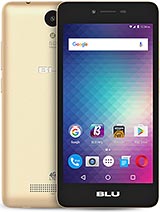
Studio G HD LTE
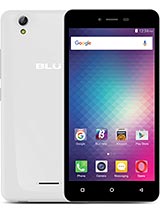
Studio M LTE
Neo X LTE
Studio C 8+8
Z4