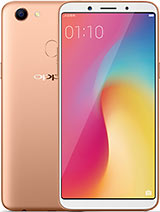
BLU Pure XR review
This phone was for someone who prioritized the AMOLED screen above all else and could tolerate sluggish performance. Everyone else should have looked at a competing chipset from the same era. Now it is just a slow, outdated device with a small battery and poor software support.
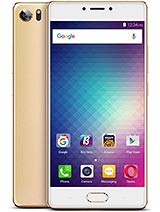
This review is written with AI assistance from BLU’s published specifications and public benchmark data for the BLU Pure XR, and the rating is spec-based. GoSolo does not physically test devices; where we estimate real-world behaviour such as battery life or charge time, we say so. How we rate phones.
Overview
The BLU Pure XR is a 2016 mid-range phone with a rare bright spot: an AMOLED screen at a time when most rivals stuck with LCD. The Helio P10 and 3000mAh battery are dated even for its era, making it feel sluggish and short-winded by modern standards—or even by 2016 standards if you compare it to what its competitors offered.
Design & build
At 147g and 7mm thick, the Pure XR is genuinely slim and light for a 5.5-inch phone in 2016. The construction feels compact and pocket-friendly, a rare virtue at a time when flagship rivals were trending larger and heavier. The front-mounted fingerprint sensor and dual SIM slot (at the cost of dedicated microSD) were practical choices for markets outside North America. No water resistance is listed, and at this price and year, that was not expected. The phone looks understated but does not stand out as particularly durable or refined.
Display
This is the Pure XR's defining strength. An AMOLED panel in a phone under $300 in 2016 was unusual; rivals at the price were still using basic LCD. The 1080×1920 resolution at 401 ppi is plenty sharp, colors pop more than they would on LCD, and blacks are true. The 3D Touch feature promised pressure-sensitive inputs, though adoption on Android was thin even then. Gorilla Glass 3 is standard for the time. For everyday use, this display delivers noticeably better image quality than comparable phones around it.
Performance
The Helio P10 was entry-level even in 2016. With 4GB of RAM and eMMC 5.1 storage, everyday tasks are manageable but not snappy—apps load slowly, multitasking stutters, and gaming feels sluggish. The octa-core CPU is more marketing than substance; the low clock speeds and modest GPU mean real-world performance lags behind comparable Snapdragon or Exynos chips from the same year. This chipset feels more suited to budget phones, not mid-range ones, which was a weakness of the Pure XR lineup even on launch.
Software
Android 6.0 Marshmallow was current when the phone launched, but even then it felt dated compared to Nougat (which shipped in the fall of 2016). The upgrade path was uncertain—BLU's track record with software support was patchy, and most owners never saw meaningful updates. By 2017, the lack of a timely Android 7.0 jump became obvious. The UI and experience depend heavily on BLU's bloatware load, which was typically heavy on their budget and mid-range lines. Security patches were infrequent.
Camera
The 16MP f/1.8 main camera with PDAF and laser AF sounds modern on paper, but execution matters more. Photos in good light are decent, though color processing skews artificial and detail is soft compared to rivals using better sensors and tuning. The f/1.8 aperture helps in low light, but the Helio P10's weak image processor holds it back; night shots are grainy. The 8MP selfie is basic. Video maxes out at 1080p 30fps, which was acceptable but not impressive even in 2016. The hardware promised more than the software delivered.
Battery & charging
A 3000mAh battery in a mid-range phone in 2016 was tight. The modest screen and entry-level chipset help, so you might scrape through a full day of light use, but heavy users would struggle. No fast charging is listed, so refueling from empty takes hours. Standby time figures suggest the phone was efficient in sleep, but that does not offset the small cell capacity. For a phone marketed as a full-featured device, the battery was a real limitation.
Value & verdict context
The BLU Pure XR is a relic now, but in context: it offered an AMOLED screen at a price that made competitors' LCDs look cheap—a genuine trade-off at the time. Everything else was compromise: the Helio P10 was a mistake for a mid-range phone, the 3000mAh battery felt stingy, and software support was unreliable. It was a phone that looked good on specs but felt underpowered and shortwinded in hand. For 2016, it was the kind of phone that made sense only if you absolutely valued the display and could live with the rest. Today it is just slow.
Verdict
This phone was for someone who prioritized the AMOLED screen above all else and could tolerate sluggish performance. Everyone else should have looked at a competing chipset from the same era. Now it is just a slow, outdated device with a small battery and poor software support.
- AMOLED display with 401 ppi was a rarity for the price in 2016, delivering better color and contrast than LCD rivals
- Slim and lightweight at 147g and 7mm, genuinely pocket-friendly for a 5.5-inch phone
- 16MP camera with f/1.8 aperture, PDAF, and laser AF on a mid-range budget was respectable hardware
- Helio P10 chipset was entry-level even in 2016, causing app lag and stutter in everyday use
- 3000mAh battery felt small for a full-featured phone and could not reliably last a day under normal use
- Android 6.0 Marshmallow at launch was already behind Nougat, and BLU's software support was unreliable and slow
BLU Pure XR Key Specifications
The essentials at a glance. See the full spec sheet.
| Released | 2016, August. Released 2016, August |
|---|---|
| Display | 5.5 inches, 83.4 cm2 (~72.2% screen-to-body ratio), AMOLED |
| Resolution | 1080 x 1920 pixels, 16:9 ratio (~401 ppi density) |
| Chipset | Mediatek MT6755 Helio P10 (28 nm) |
| RAM & storage | 64GB 4GB RAM |
| Main camera | 16 MP, f/1.8, PDAF |
| Selfie camera | 8 MP, 1/4.0" |
| Battery | 3000 mAh |
| Software | Android 6.0 (Marshmallow) |
| Dimensions | 154.3 x 74.9 x 7 mm (6.07 x 2.95 x 0.28 in) |
| Weight | 147.2 g (5.19 oz) |
| Network | GSM / HSPA / LTE |
| NFC | No |
| USB | microUSB 2.0, OTG |
BLU Pure XR FAQ
Common questions, answered from the spec sheet.
Does the Pure XR support 5G?
No. The Pure XR tops out at GSM / HSPA / LTE, without 5G.
What chipset does the Pure XR use?
The Pure XR runs on the Mediatek MT6755 Helio P10 (28 nm).
What display does the Pure XR have?
A 5.5 inches, 83.4 cm2 (~72.2% screen-to-body ratio) AMOLED, 1080 x 1920 pixels, 16:9 ratio (~401 ppi density).
How big is the Pure XR battery?
The Pure XR has a 3000 mAh battery.
Does the Pure XR have NFC?
No, the Pure XR does not list NFC support.
Does the Pure XR support a microSD card?
Yes, the Pure XR supports expandable storage (microSDXC (uses shared SIM slot)).
Does the Pure XR have a headphone jack?
Yes, the Pure XR has a 3.5mm headphone jack.
Alternatives to consider
If the Pure XR isn’t quite right, these are the closest calls.
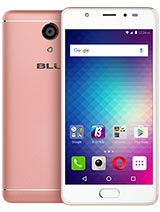
Life One X2
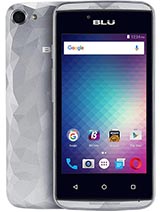
Energy Diamond Mini
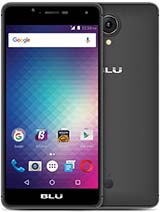
R1 HD
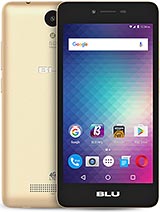
Studio G HD LTE
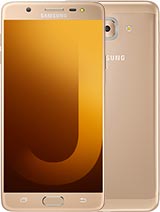
Galaxy J7 Max