performance
Snapdragon 865, Adreno 650 GPUHandles demanding Android games (Genshin Impact, Call of Duty Mobile) at high settings without stutter, and breezes through everyday multitasking.
display
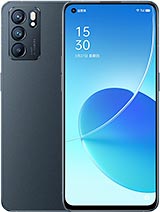
6.67in AMOLED, 1080x2340, 90HzScrolling through social media and web pages feels smooth, colors are accurate, but the lower-than-flagship pixel density (386 ppi) means very small text can look slightly soft if you hold it close.
battery
4500mAh, about 1 day moderate useWith mixed browsing, messaging, and light gaming, you'll reach evening before needing to plug in; heavy users should expect a top-up by mid-afternoon.
charging
Quick Charge 4+, wireless chargingWired charging can refill the battery in roughly 45 to 60 minutes, and wireless charging (Qi/PMA) lets you dock overnight without a cable.
storage
256GB or 512GB UFS 3.0Apps launch instantly and file transfers are fast, but there is no microSD card slot, so pick your capacity tier at purchase.
connectivity
5G (sub-6, limited bands), LTE fallback5G is available only in areas where carriers support the specific bands (2600, 2100, 1800, 700 MHz), so check your region; LTE works broadly across most networks worldwide.