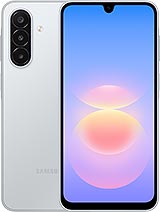
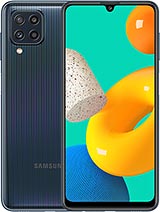
Samsung Galaxy M31 Dual SIM

Display6.40"
ChipsetSamsung Exynos 9611
Battery6000 mAh
Galaxy M31 Dual SIM product photo
5.7GoSolo score

Network

3G bands
UMTS 850 900 1700 1900 2100
4G bands
FDD LTE: 1900, 1700, 850, 700TDD LTE: 2500

Launch

Announced
1Q 2020
Status
Available

Body

Dimensions
159.20 x 75.10 x 8.90 mm
Weight
191.00 g
SIM
nanoSIM, nanoSIM

Display

Type
Color / Super AMOLED16,7M colors, 60 Hz1080 x 2340 px (6.40") 403 ppi∼84.1% screen-to-body ratio
Size
6.40 inches
Resolution
1080 x 2340 pixels
Protection
Corning Gorilla Glass 3

Platform

OS
Android10, One UI 2.0
Chipset
Samsung Exynos 9611Processor clock: 2.30 GHzNumber of cores: 8GPU: ARM Mali-G72 MP3
CPU
2.30 GHz, 8 cores
GPU
ARM Mali-G72 MP3

Memory

Card slot
microSD, microSDHC, microSDXC (up to 512 GB)
Internal
128 GB64 GBBuy memory card RAM: 6 GB8 GB

Battery

Type
Li-Ion 6000 mAh
Charging
Fast Charging

Misc

Colors
Ocean Blue, Space Black, Red
Models
SM-M315F/DS, SM-M315F/DSN; Available in 2 variants:8806090432989No; Available in 2 variants:NoSM-M315FZRVEGY
SAR
1,54 W/kg
GoSolo Read / what it means5 takeaways
battery
6000mAh, about 1.5 days light useWith light browsing and calls, you'll likely stretch this to an evening on the second day; heavy use (video, gaming) cuts that to a full day or slightly less.
performance
Exynos 9611, 8 cores 2.3GHzHandles everyday apps, messaging, and light social media smoothly; 3D games will run at lower settings, and expect occasional lag in heavy multitasking.
display
6.4in AMOLED, 1080 x 2340, 403ppiText and icons are crisp, colors are punchy from an AMOLED panel, and the 60Hz refresh is adequate for scrolling but not noticeably smooth by 2020+ standards.
storage
64GB or 128GB, microSD up to 512GBBase model leaves roughly 50GB free for apps and photos after the OS; microSD expansion handles overflow, so you're not locked in if you pick documents, media, or photos.
connectivity
4G LTE (no 5G), dual nanoSIMYou can run two local SIM cards simultaneously for calls and data; 4G speeds are standard for this class, no next-generation network advantage here.
Compare
1
2
3
4